When: February 14-26, 2027
Price: $6,685
Single Room Supplement*: $890
Deposit: $995 US Dollars to secure your spot.
Balance: Due 90 days before departure. Full terms and conditions in FAQ.
Who: Open to all skill levels; non-photographer spouses are welcome.
Group Size: Minimum 4 People, Maximum 8 People.
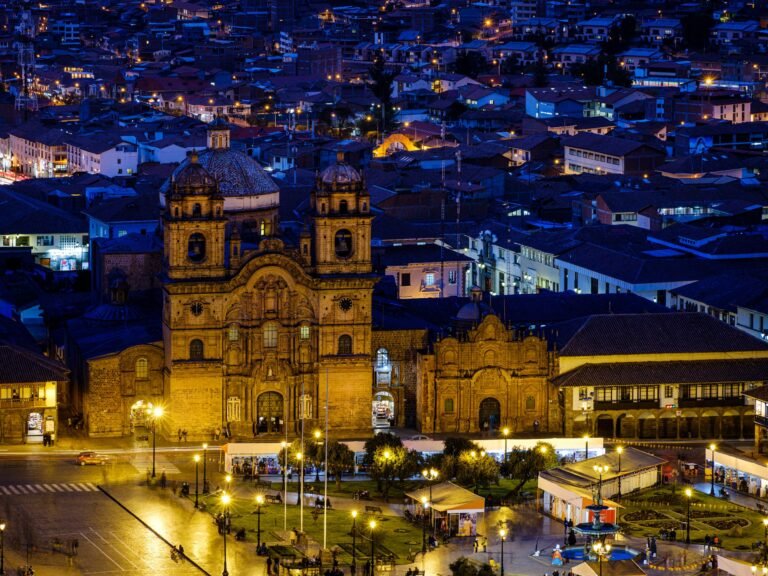
Where: This photo tour starts in Cusco and ends in Lima.
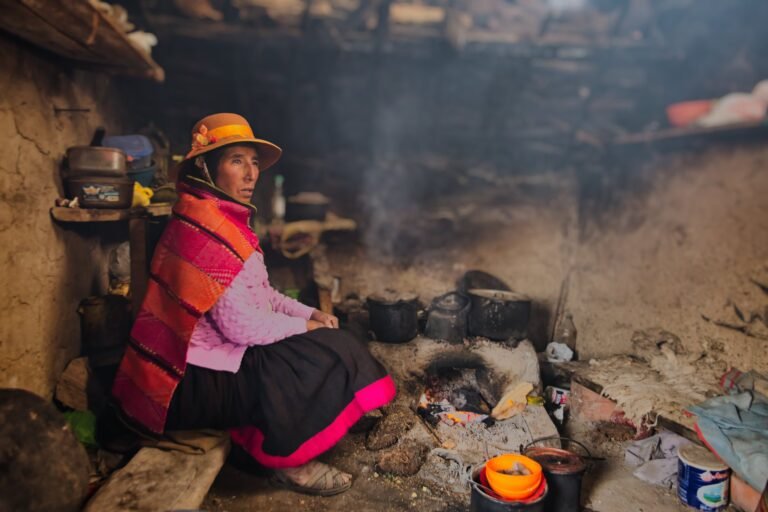
Fitness Level: Most of our travel between locations is by vehicle, so the physical demands are manageable for anyone in reasonable health. You will walk and hike on some days, occasionally on uneven terrain, and you should be comfortable carrying your camera kit and a daypack. The altitude is the main thing to prepare for — Q'eros villages sit between 3,900m and 4,500m (12,800ft to 14,760ft), and we recommend speaking with your doctor before the trip about altitude preparation. Nights in Q'eros are spent inside family homes with basic facilities — no running water or showers for four nights, with a portable toilet provided. If you are in good general health and up for a genuine adventure, this expedition is well within reach.
The tour is open to all levels of photographic skills, from beginner to experienced. However, there will be no formal workshops or critiques. We will share knowledge and skills along the way in the spirit of real adventurers.
*Tour prices are set for double occupancy, so unless you travel with a friend or spouse, you'll need the single supplement. If you're traveling alone and choose not to book a single supplement, we'll try to pair you with another participant who also seeks to share.
Roommate pairings are not guaranteed; we'll always pair you with someone of the same gender. However, the single supplement fee will apply if we can't match you with another guest.
Why join this Peru photo tour expedition?
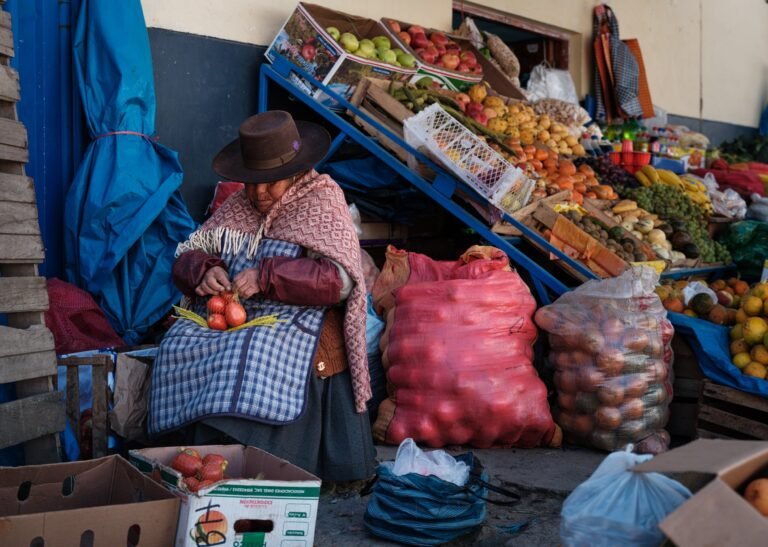
Most Peru photo tours visit the same places. The Cusco market. The Pisac ruins. Machu Picchu at sunrise with forty other photographers. This expedition is built around what those tours miss.
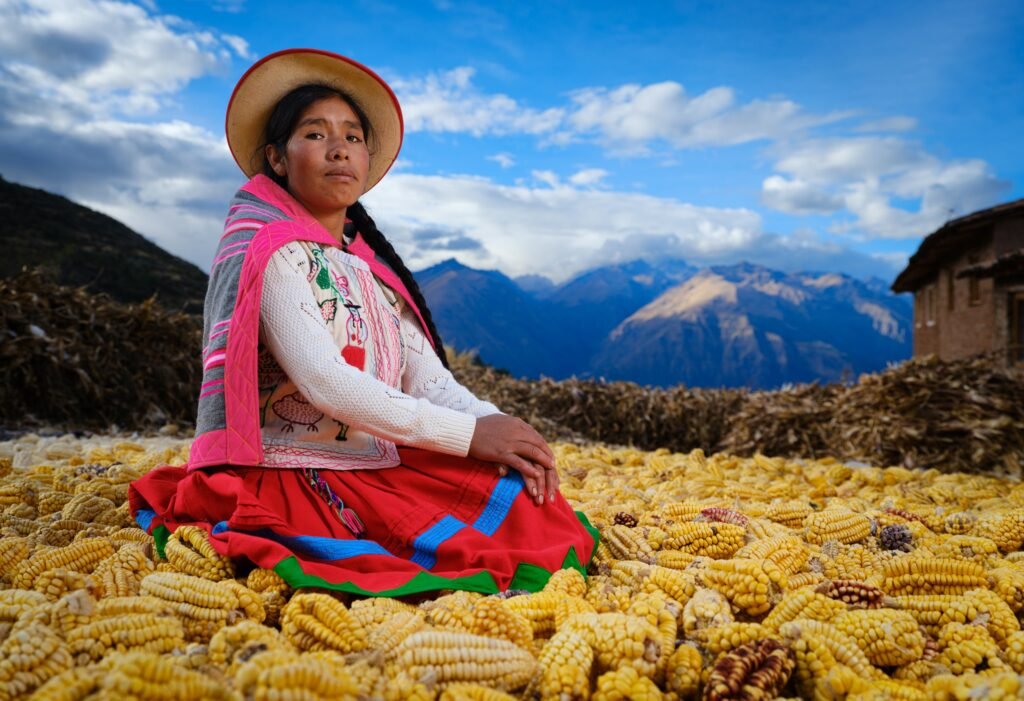
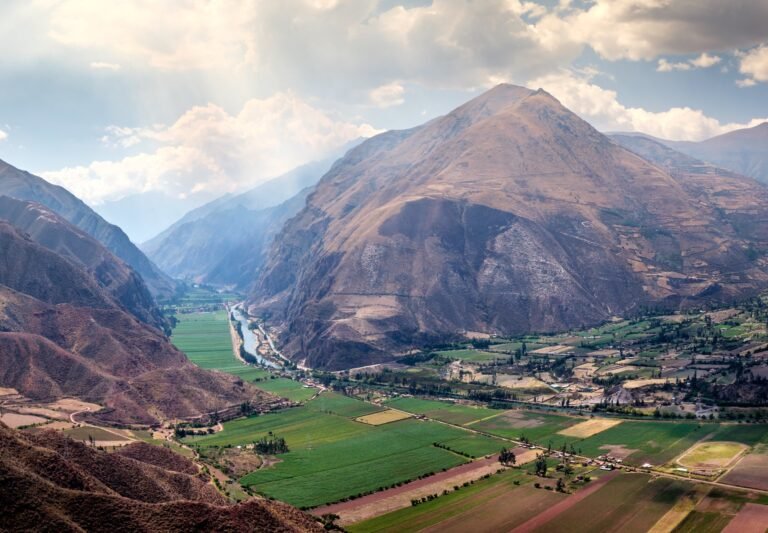
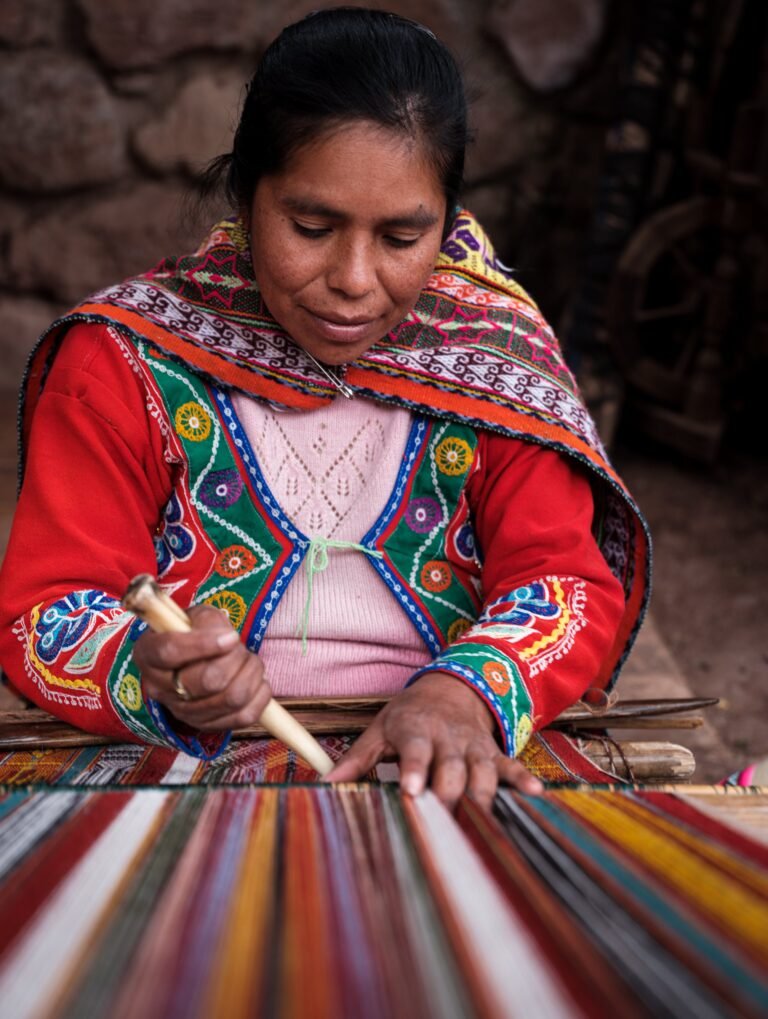
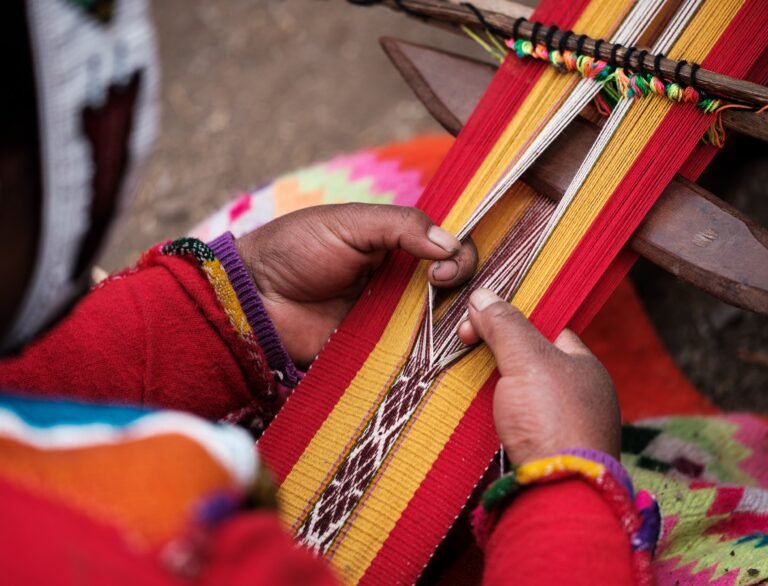
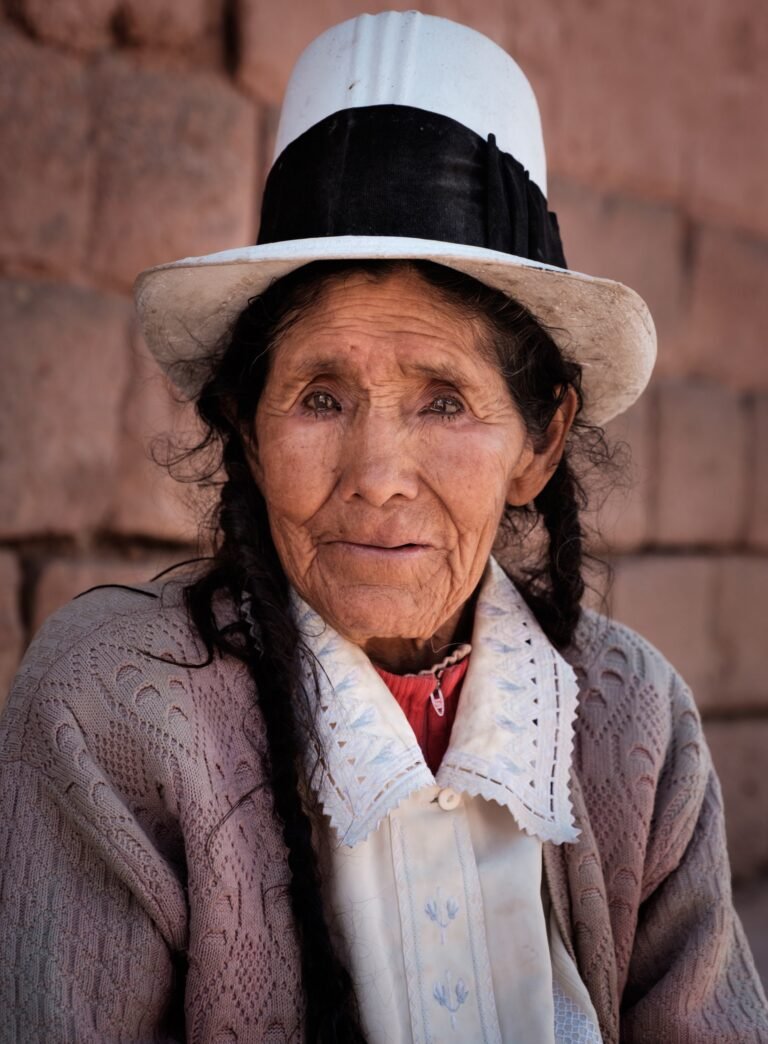
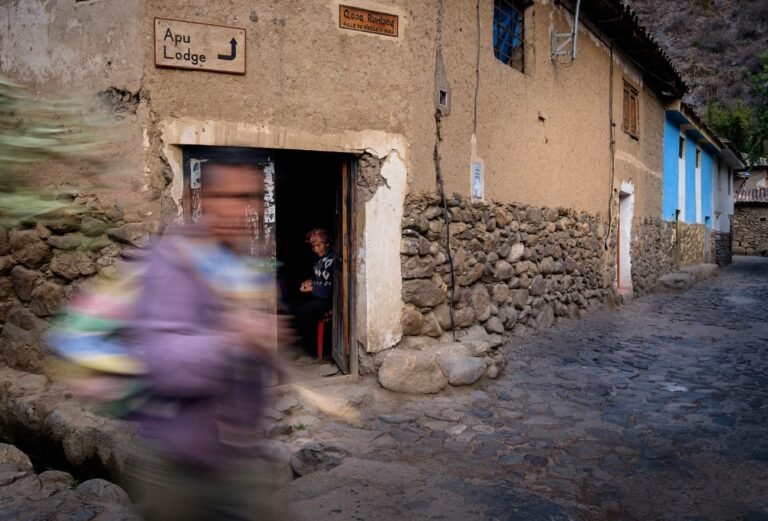
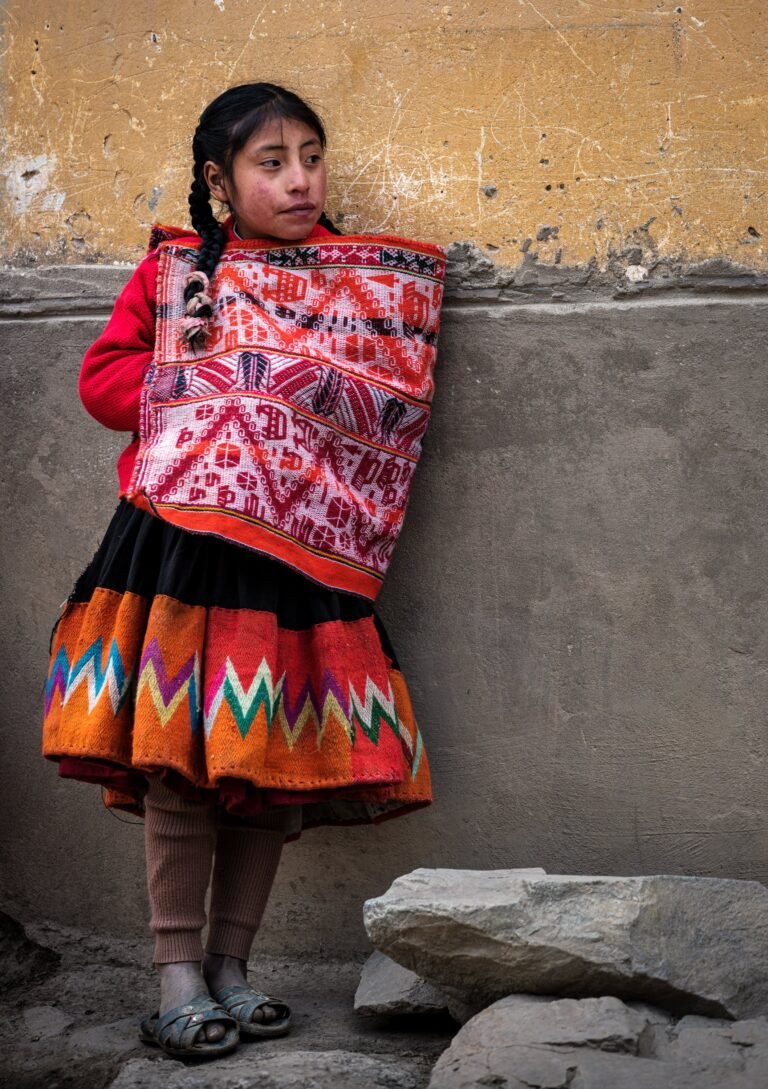
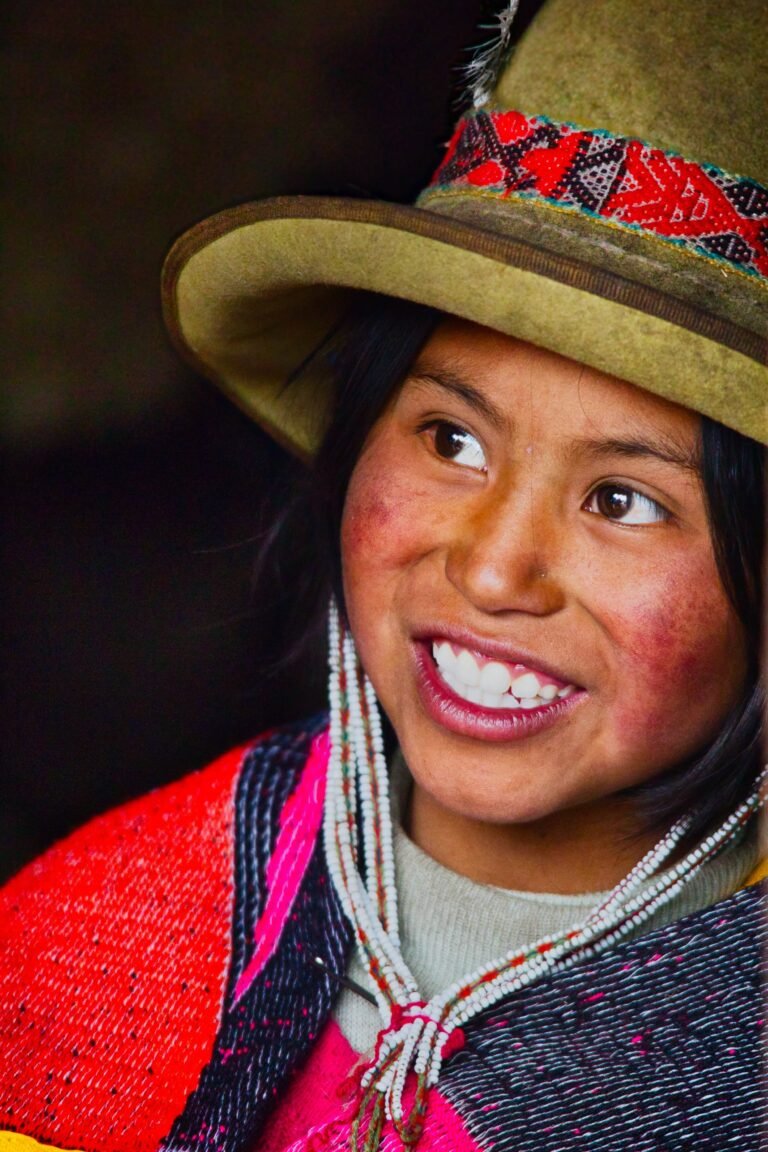
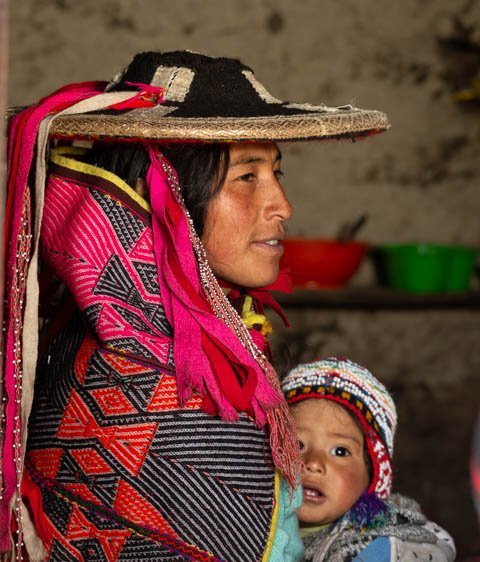
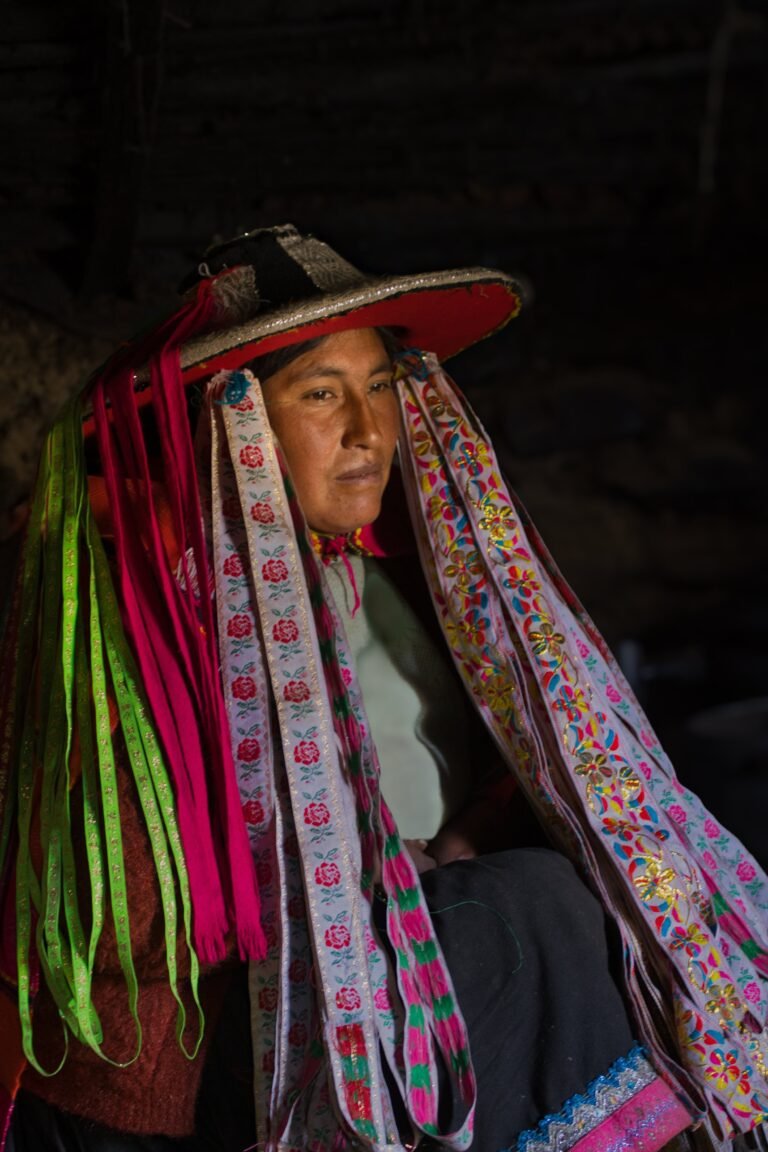
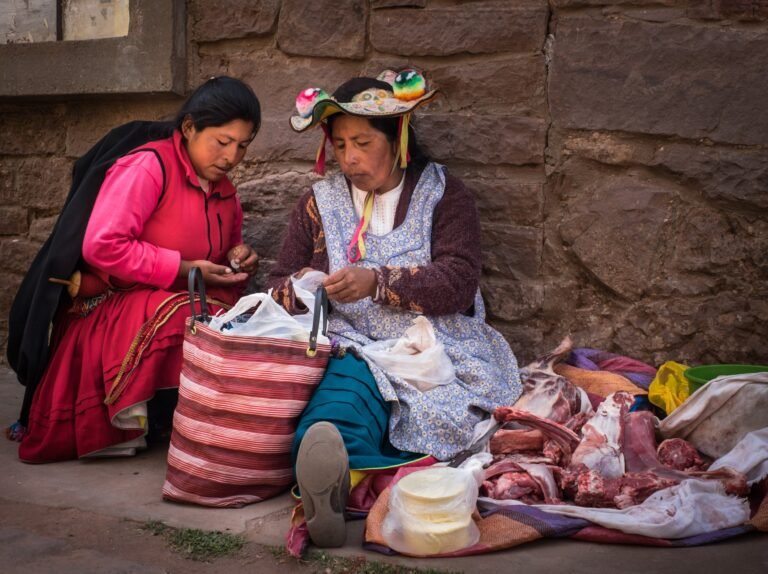
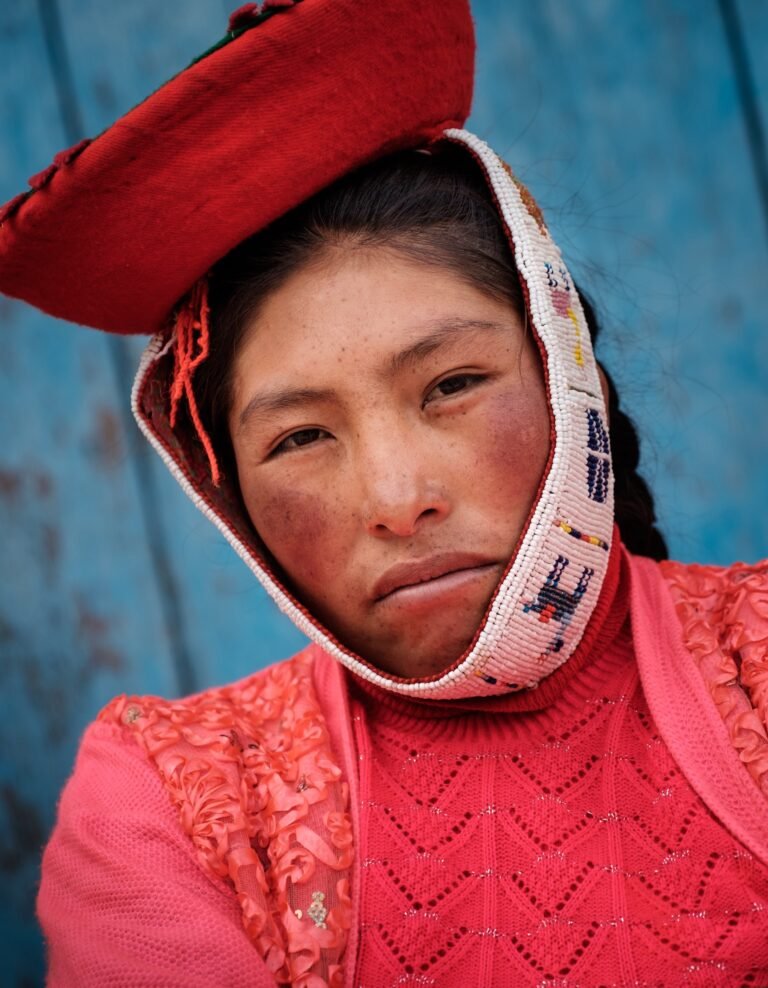
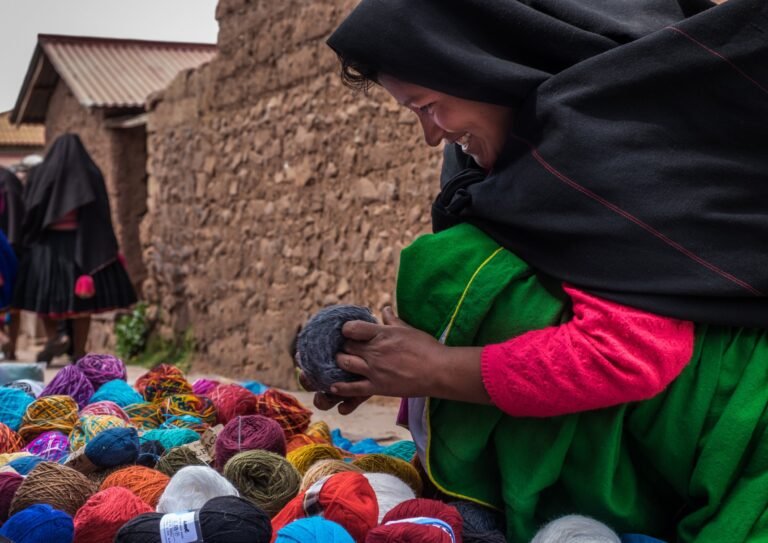
Willoq. A Quechua weaving community above Ollantaytambo at 3,800m (12,470ft) in the Sacred Valley. The women here work backstrap looms the way their grandmothers did, dyeing yarn with cochineal, indigo, and local plants. It is a working village, not a cultural demonstration, and the portrait opportunities in that morning light against the Andean terracing are exceptional. This is where the expedition finds its footing before heading higher.
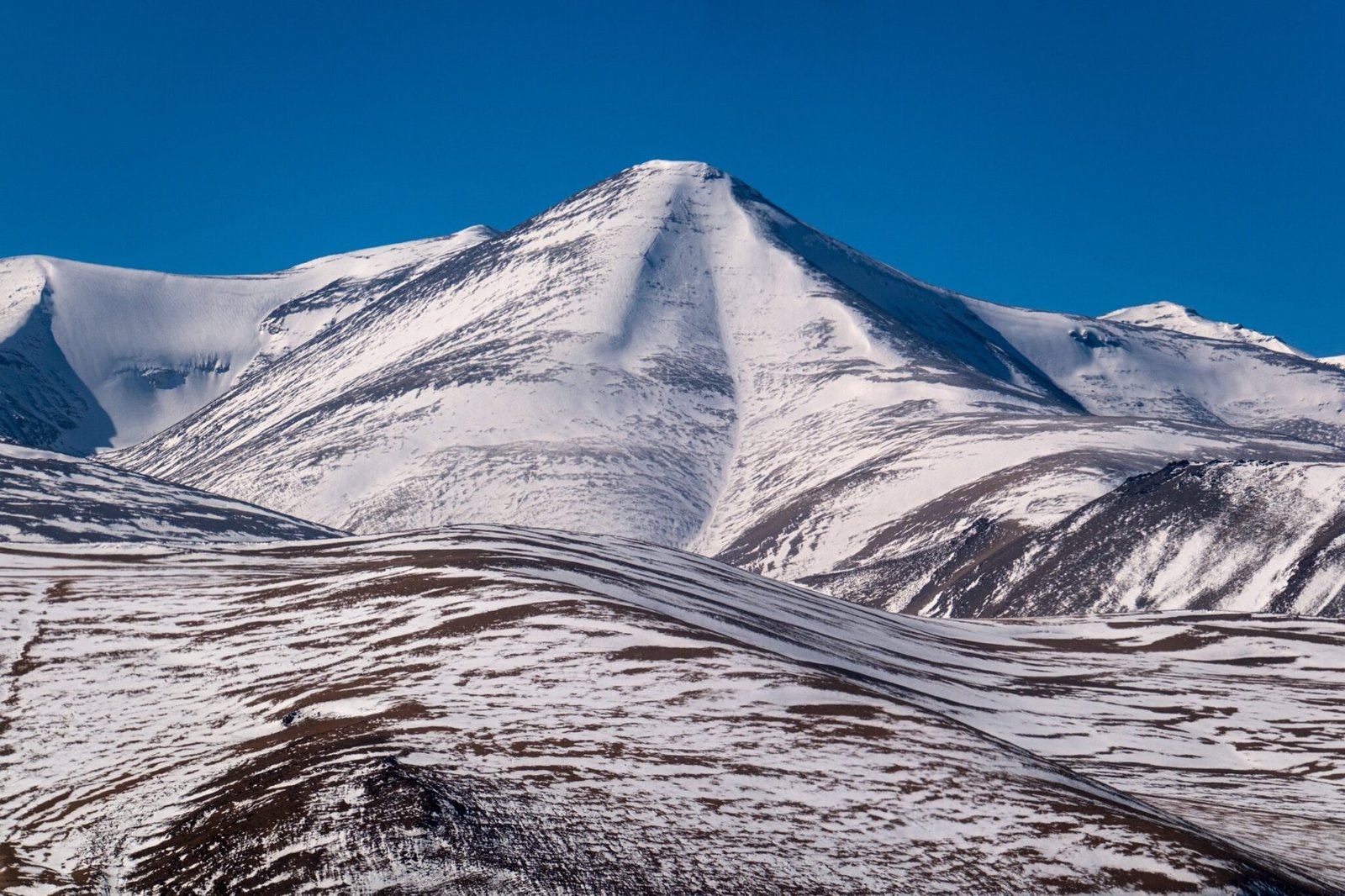
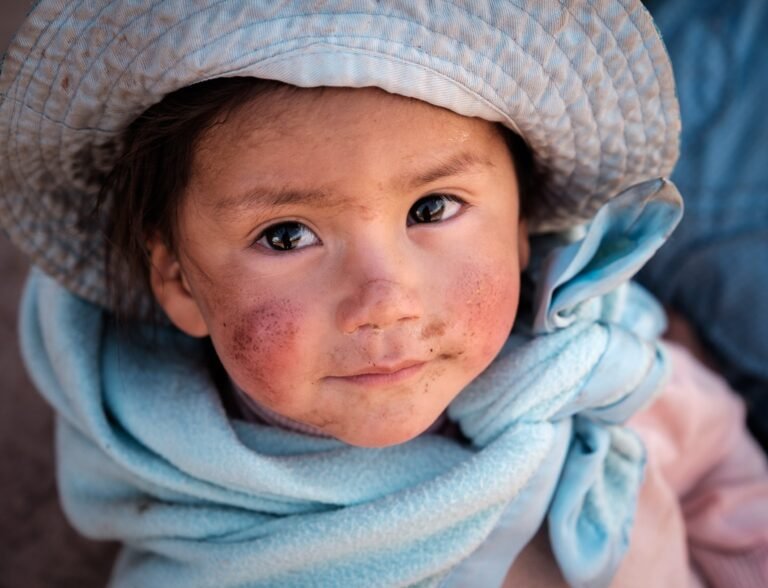
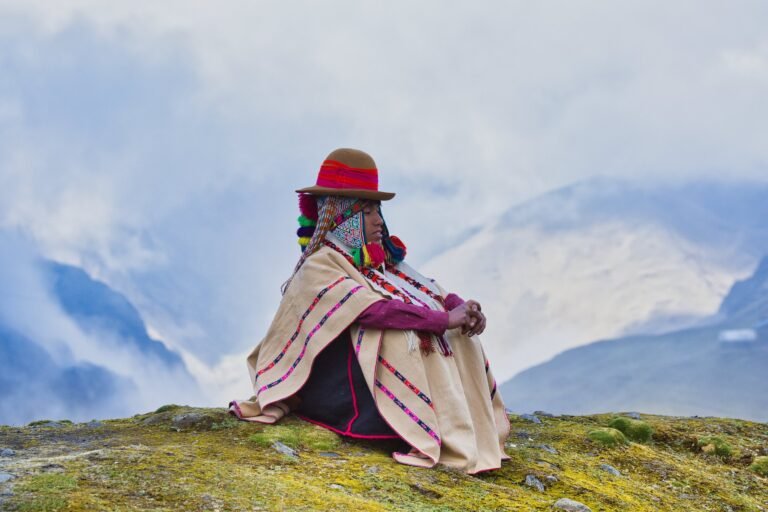
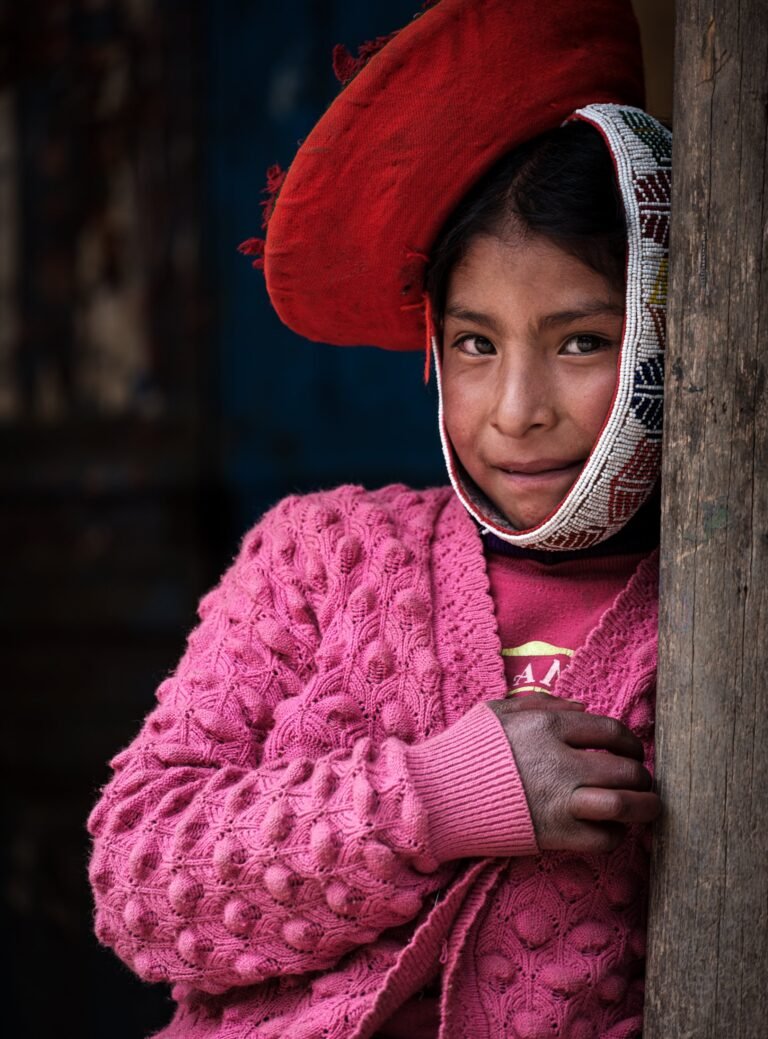
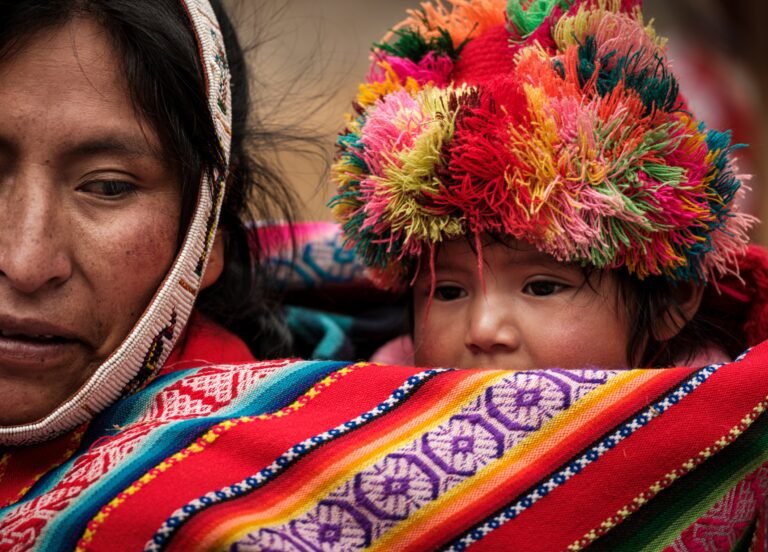
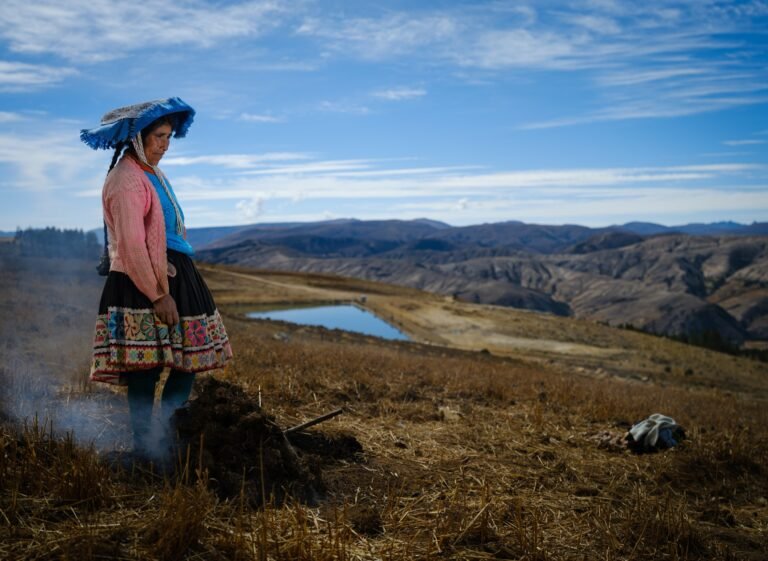
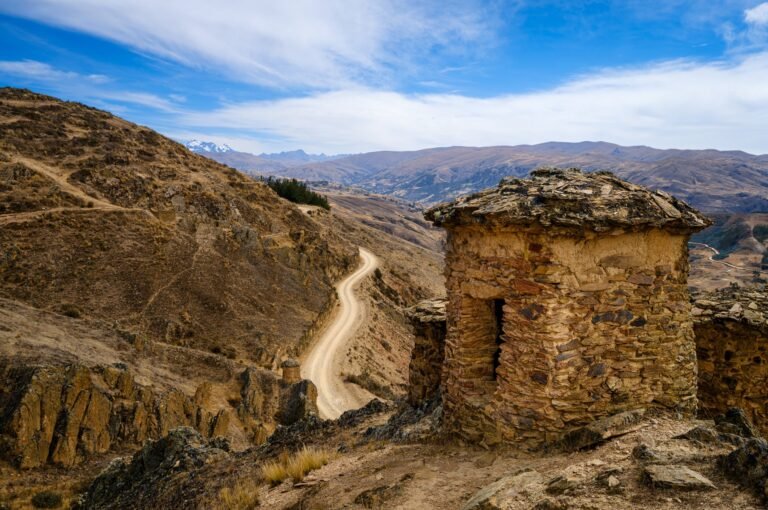
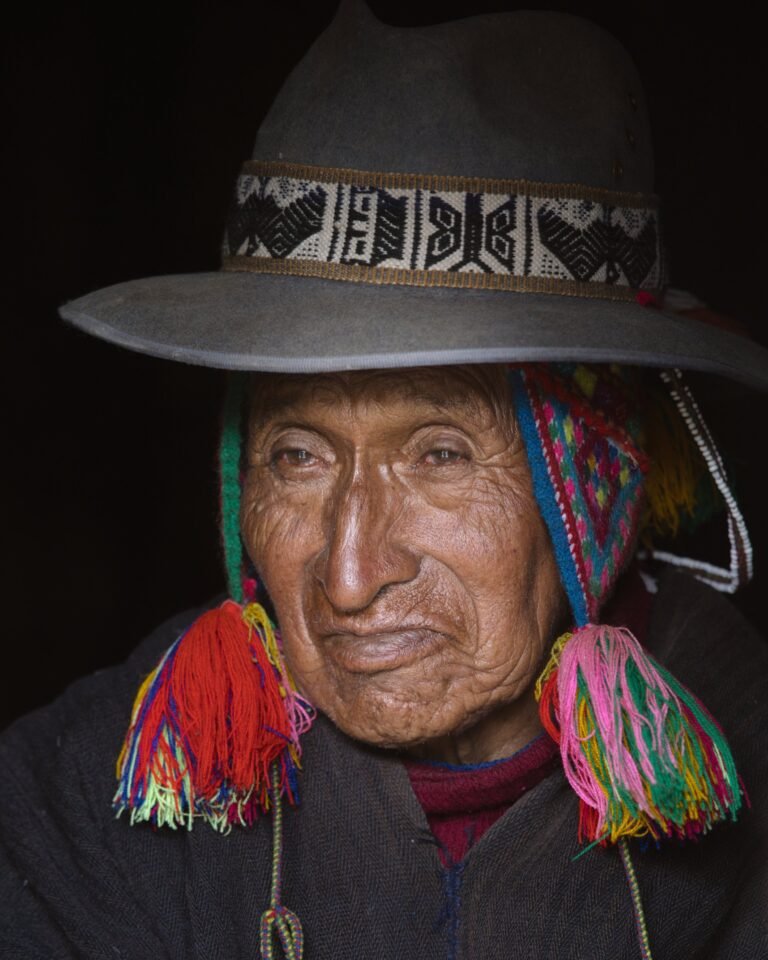
Q'eros. The Q'ero people were declared Cultural Heritage of Peru in 2007. They live above 3,900m (12,800ft) in the Paucartambo district of Cusco, still speaking Quechua, still herding alpacas and llamas across the same high terrain their ancestors did. Very few photographers have worked here. Getting access requires a guide with genuine relationships in these communities, built over years. We have that. We spend four days moving through Chua Chua, Challmachimpana, Qochamoqo, and Q'ollpa K'uchu, a night in each village, photographing daily life, herding culture, and the kind of portrait that takes time and trust to earn.
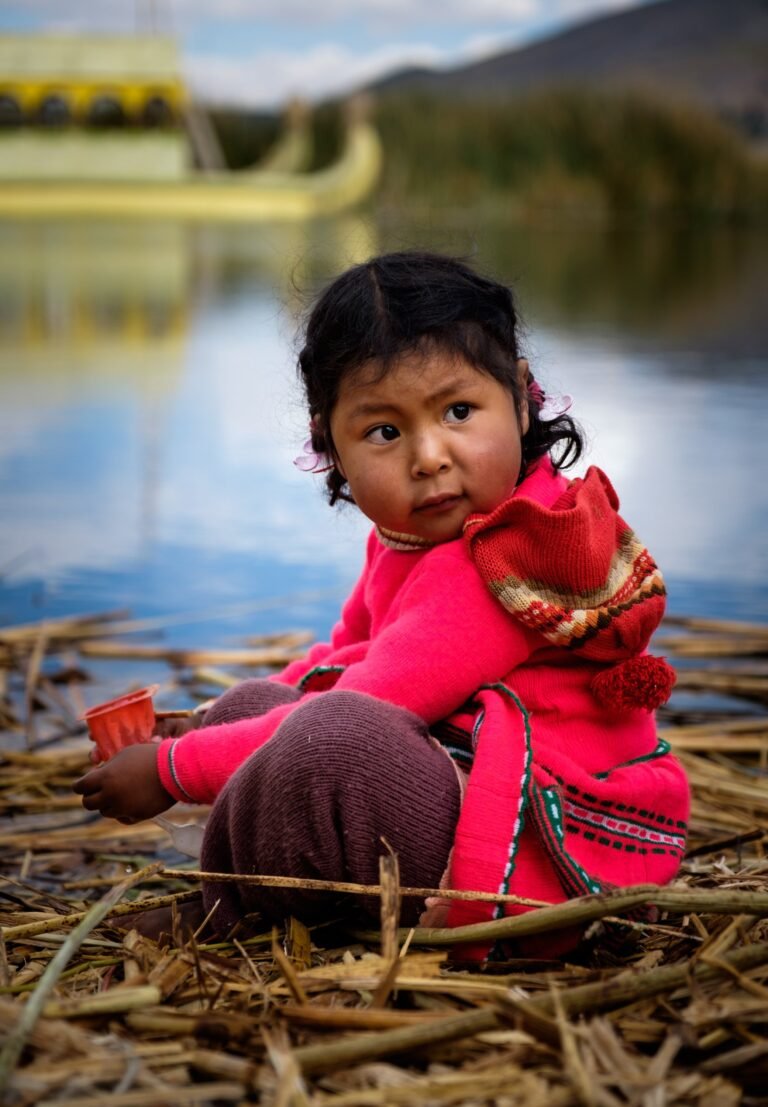
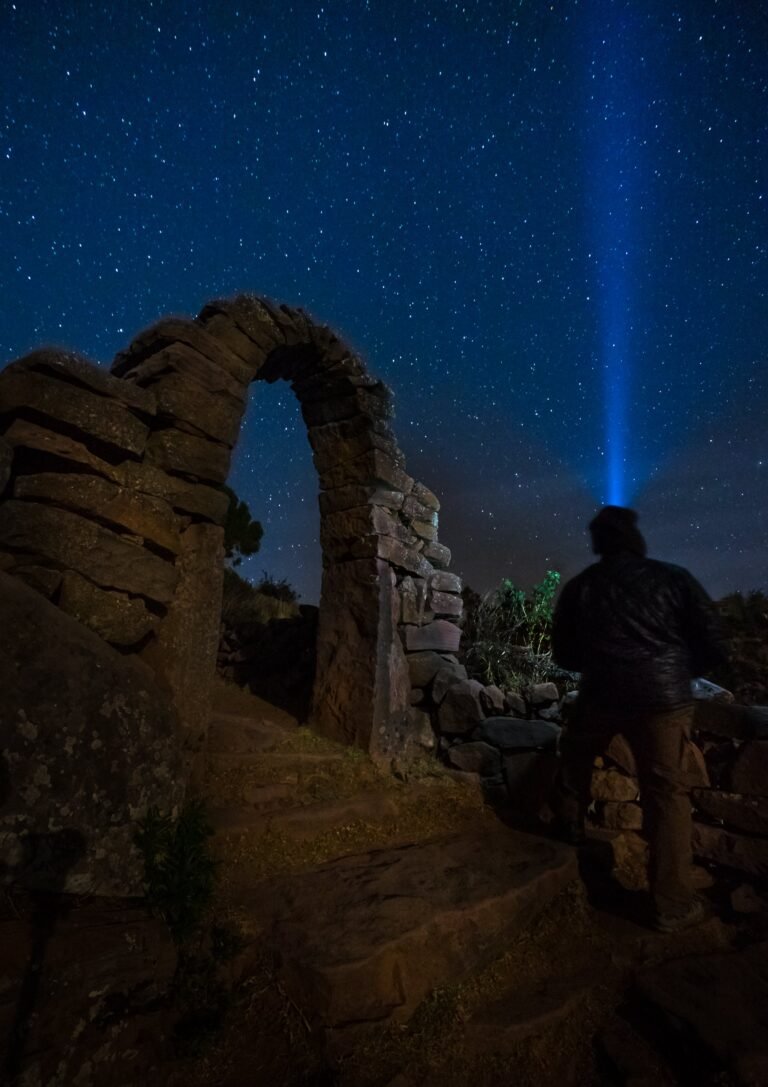
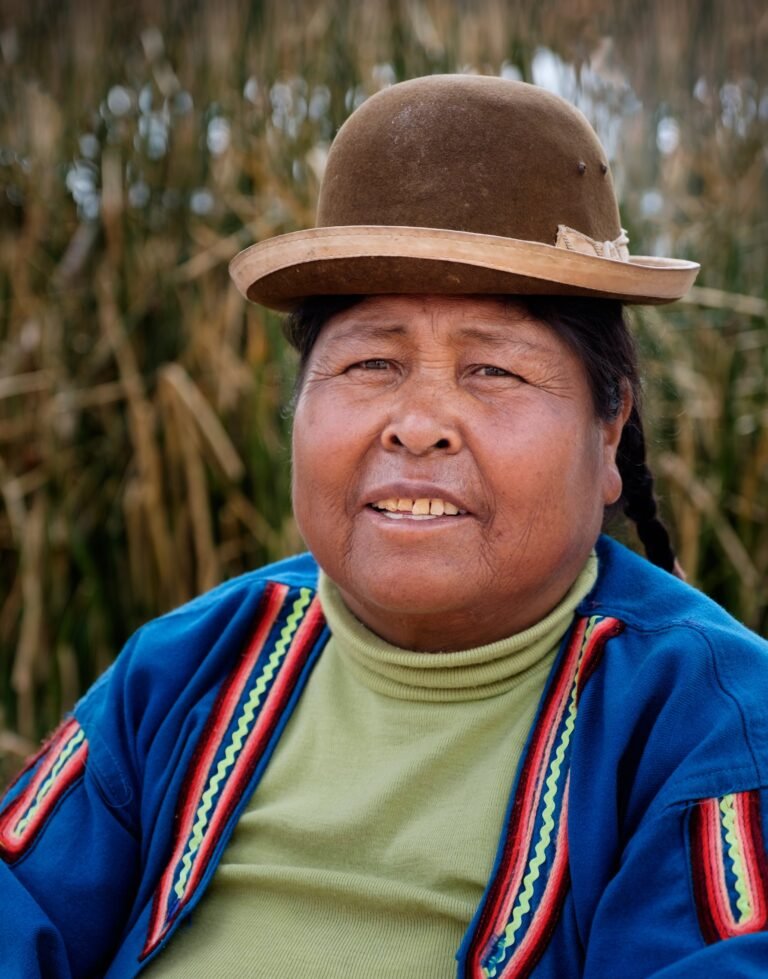
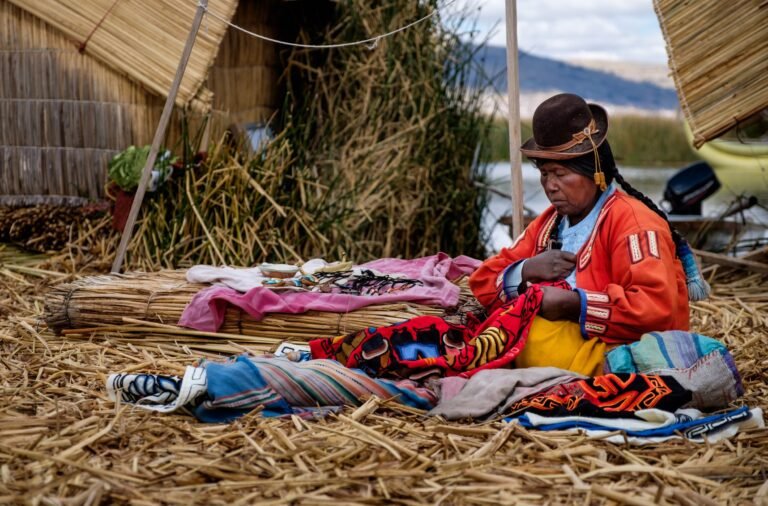
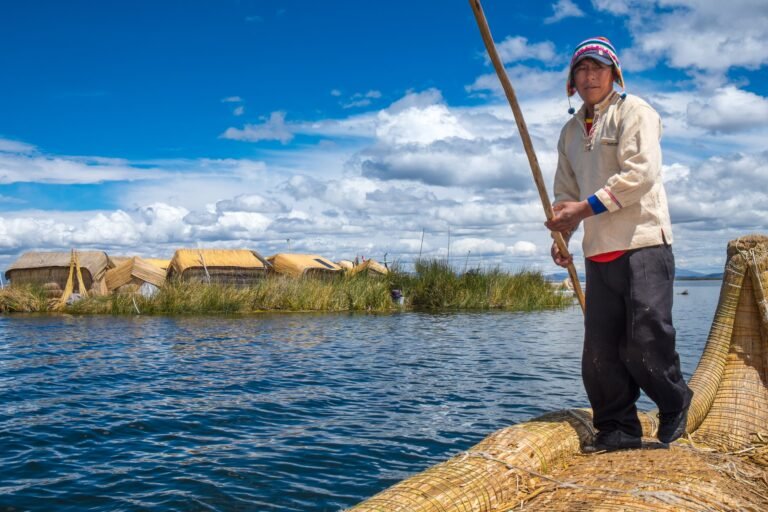
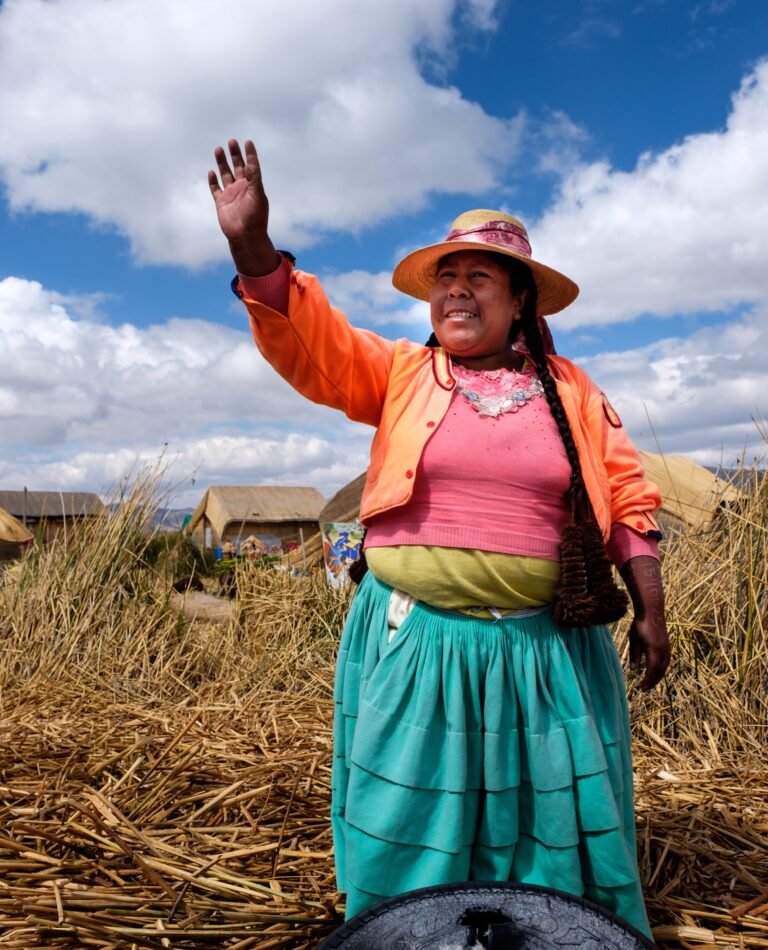
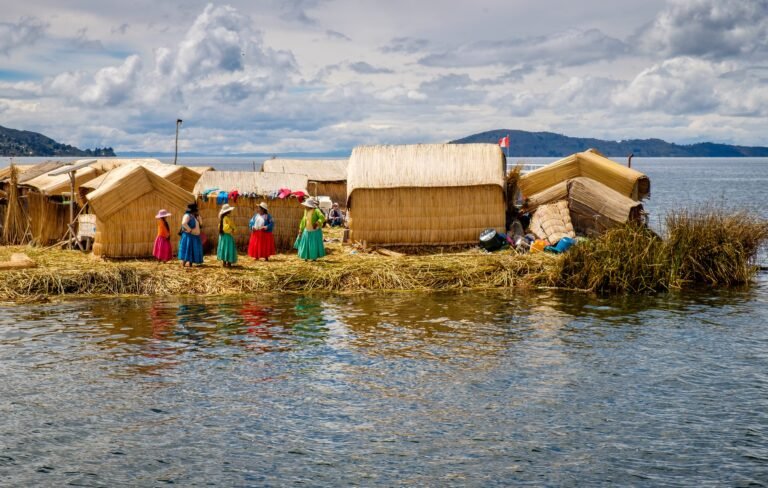
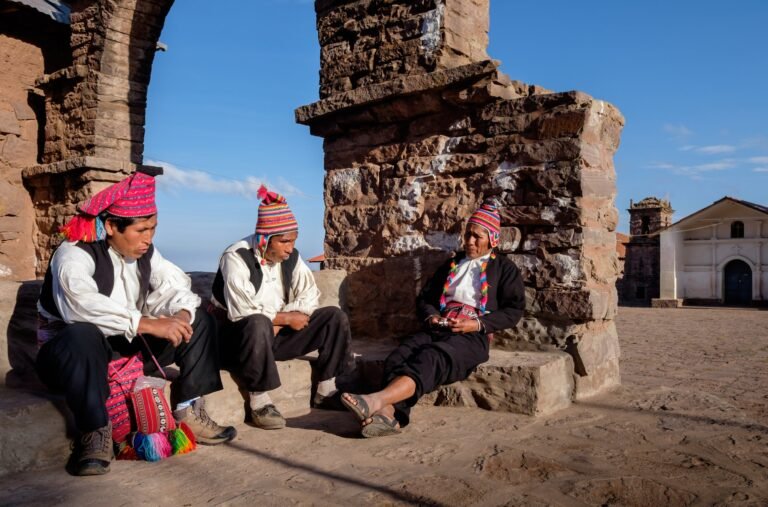
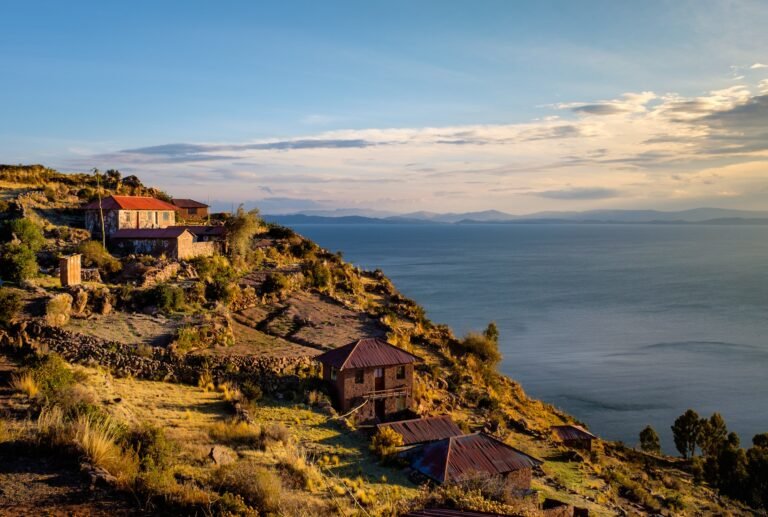
Lake Titicaca. At 3,812m (12,507ft), it is the highest navigable lake in the world. The Uros islands are built entirely from totora reeds and have been home to the same families for generations. We spend a night with a family on one of them. Then we cross to Taquile Island, whose weaving tradition has been recognized by UNESCO as intangible cultural heritage. The water in February runs deep blue, the light is flat and rich, and after ten days in the highlands, the change of environment sharpens your eye.
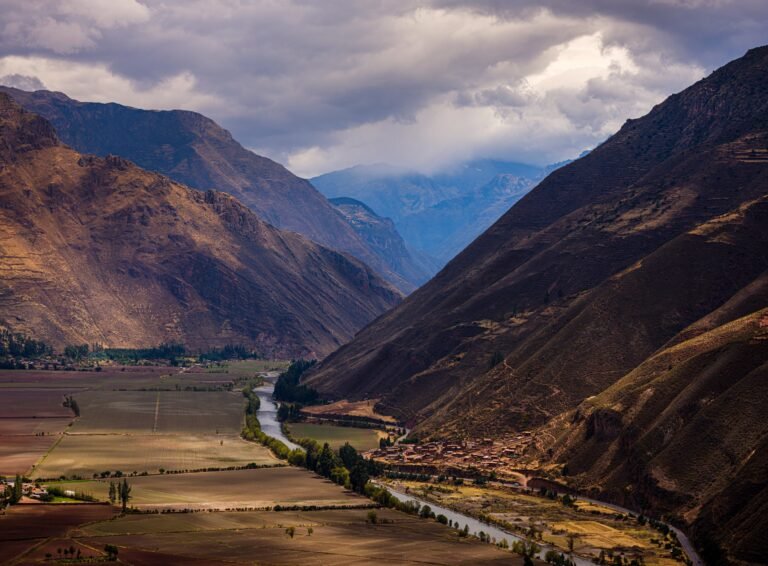
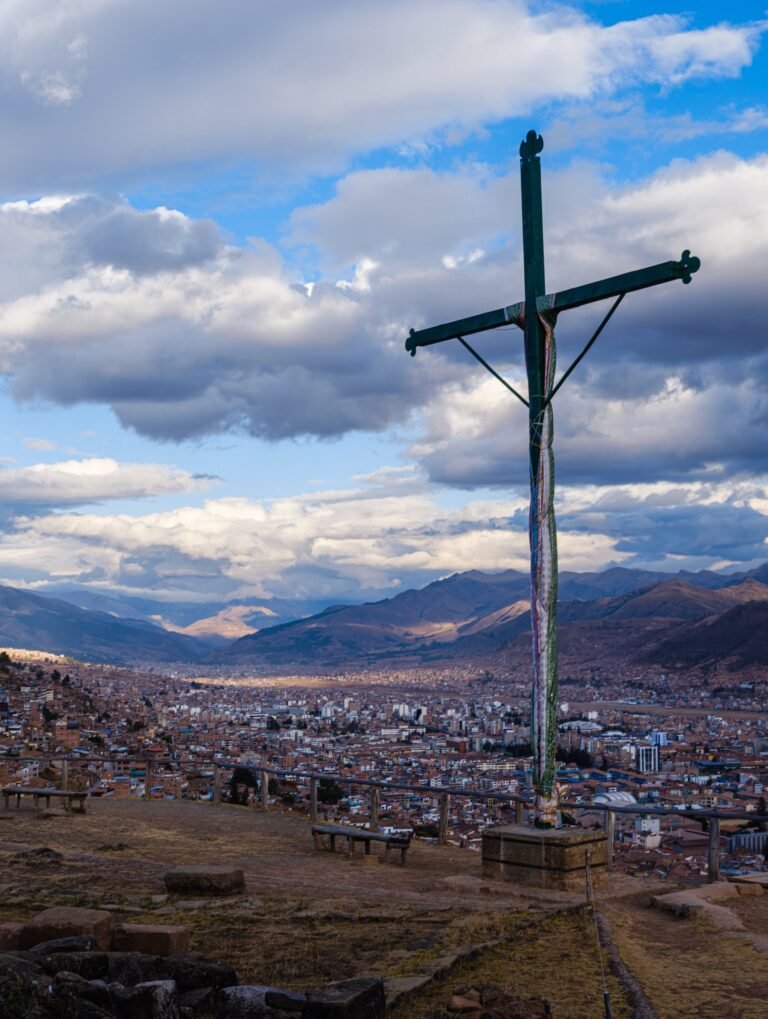
We run this expedition in February on purpose. The rainy season brings cloud formations over the Andean altiplano that the dry months simply cannot produce. The highlands are green. The light is soft and directional in a way portrait photographers understand immediately. Most operators schedule around the rain. We scheduled because of it.
Each location has its own visual language. Together they make a body of work that tells a larger story about Andean life, from the Sacred Valley to the altiplano to the lake.
Our tour
The hardest thing to find in travel photography is genuine access. Showing up with a camera is easy. Being somewhere long enough and trusted enough that people go about their lives in front of you takes relationships. Our Cusco-based guide has spent years building them in Willoq and Q'eros. He speaks Quechua. He knows the families by name. When we arrive, the introduction is warm and the doors open. That is not something you can book through a standard tour operator.
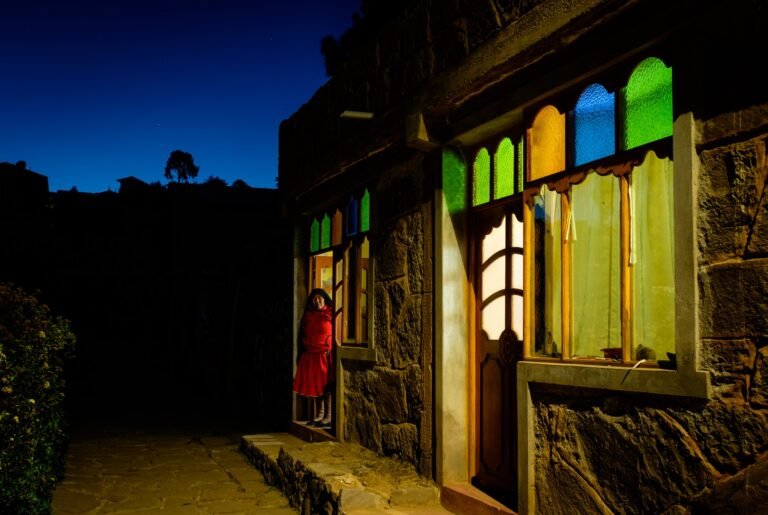
In Q'eros, we sleep inside the homes of the families who host us. Tents on earthen floors, out of the wind, no hotel, no tourist infrastructure, no other groups alongside you. The four nights there involve no running water, no showers, and a portable toilet. We are straightforward about that because the photographers who are right for this trip already understand it is part of what makes the access real.
The structure of the expedition reflects how these three places actually work photographically.
Willoq is intimate and accessible, a strong entry point that calibrates your eye for portrait work in the Sacred Valley light. Q'eros is the center of gravity of the whole trip, four days in the high highlands, sleeping in the villages, working at real altitude. Lake Titicaca is the landing, a change of scale and palette after the intensity of Q'eros, with the water and the reed islands giving the portfolio a completely different register to close on.
Eight participants maximum. That number is a photography decision. A smaller group moves more naturally through a village. Families stay relaxed. Everyone has room to work without stepping on each other.
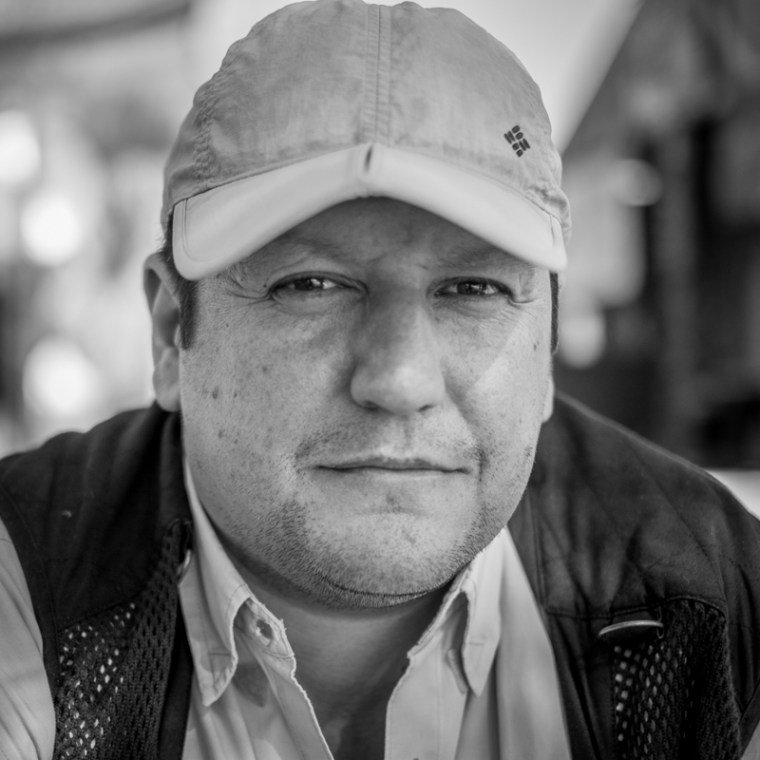
Daniel leads as photographer and tour leader. Our local guide, also a photographer, runs all ground logistics in Peru. Between them, the operational complexity disappears, and you can focus on making photographs.
The price of the tour includes:
- 12 nights of accommodations on a twin/double sharing basis, as listed in the itinerary.
- All meals: 13 breakfasts, 13 lunches, and 13 dinners, including non-alcoholic beverages.
- Photo tour leader Daniel Korzeniewski throughout the expedition.
- Local expert guide, bilingual (Spanish/Quechua), throughout the expedition.
- All ground transportation as listed in the itinerary.
- Two domestic flights: Cusco to Juliaca (Day 10) and Juliaca to Lima (Day 13).
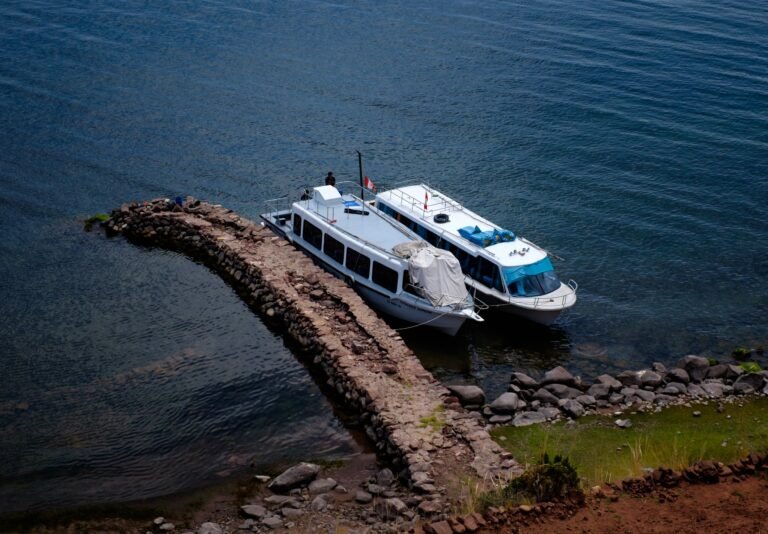
- Lake Titicaca boat transportation between Puno, Uros Islands, and Taquile Island.
- Tent accommodation and portable toilet during the Q'eros section.
- All entrance fees, site permits, and community access fees.
- Airport transfers in Cusco and Puno.
- Daily bottled water.
The price does not include:
- International flights to Cusco and from Lima.
- Travel insurance — mandatory for all participants. We recommend RoamRight.
- Alcoholic beverages.
- Tips for guides and drivers.
- Personal expenses (souvenirs, laundry, phone calls, etc.).
- Altitude medication — consult your doctor before departure.
- Meals not listed in the itinerary.
- Visa fees where applicable.
- Anything not explicitly listed under inclusions above.