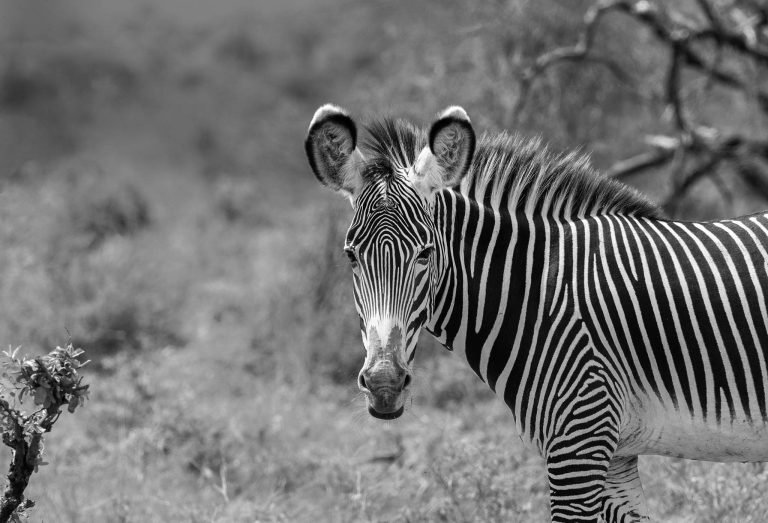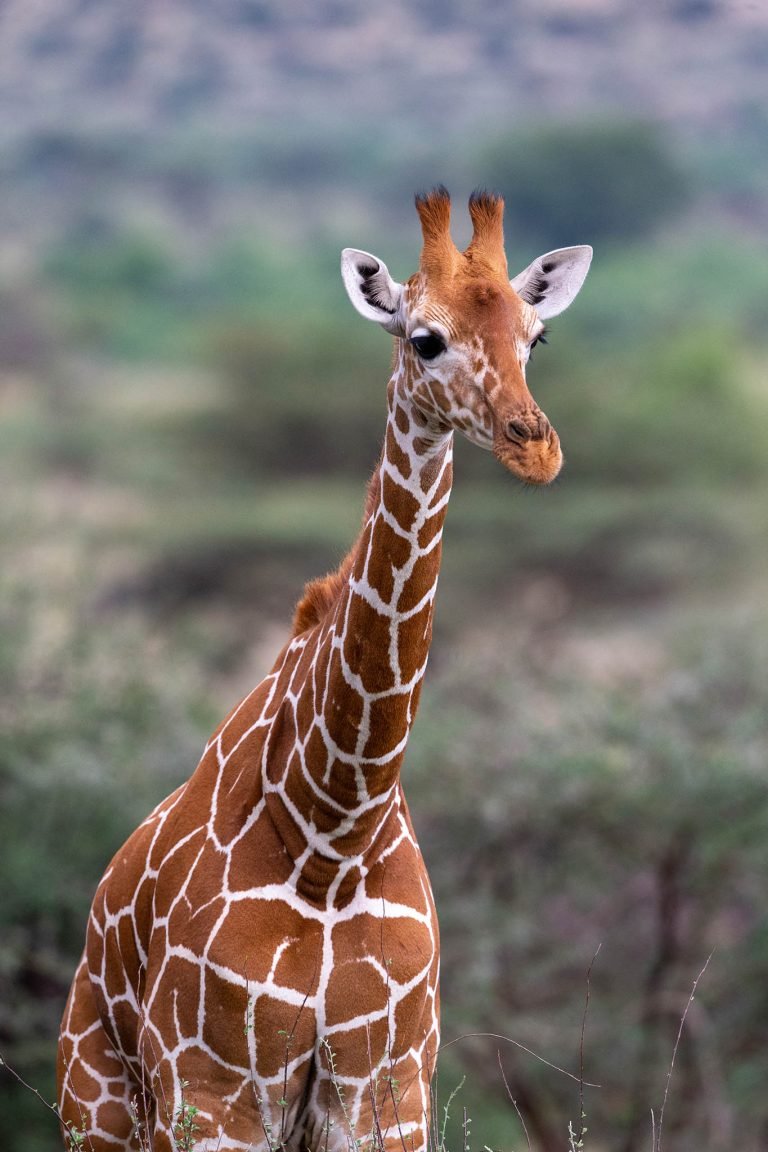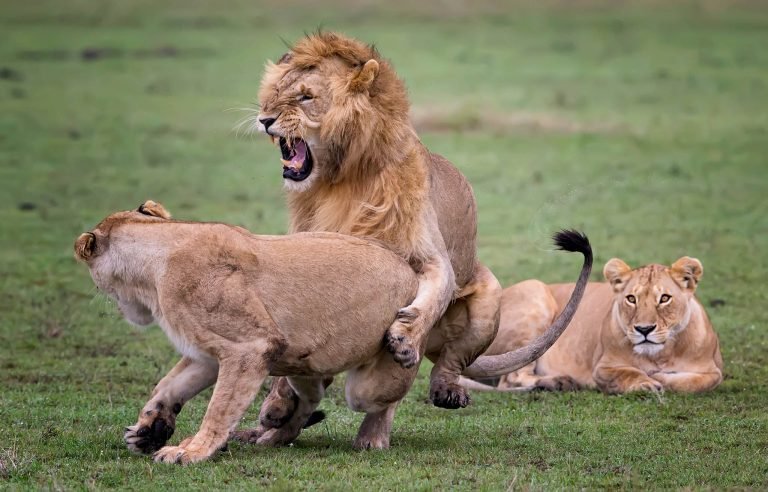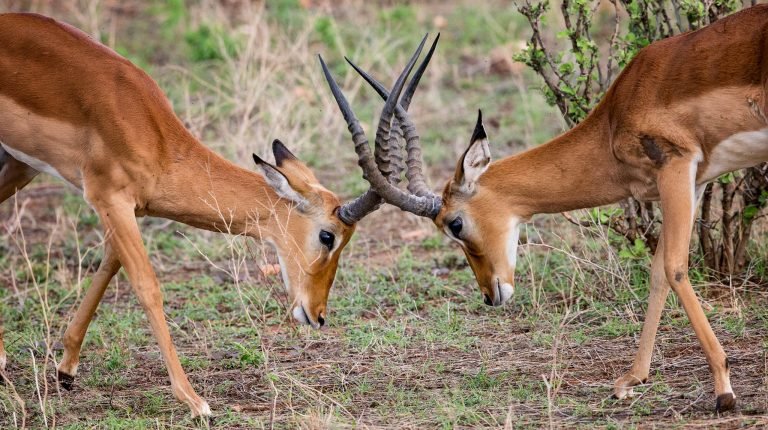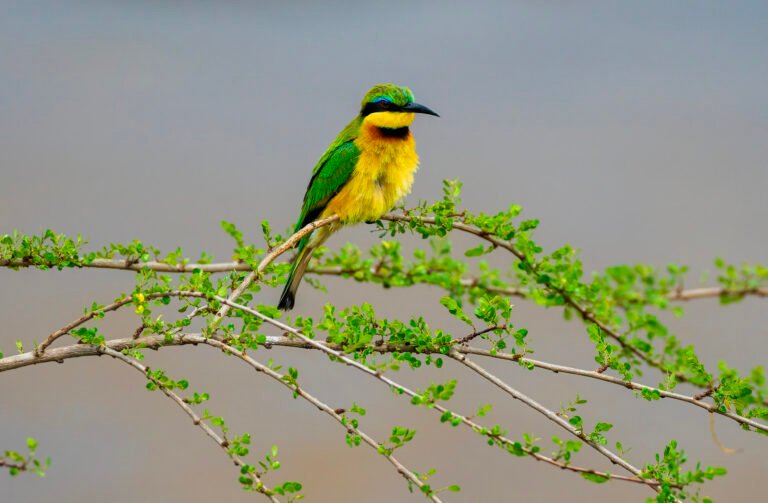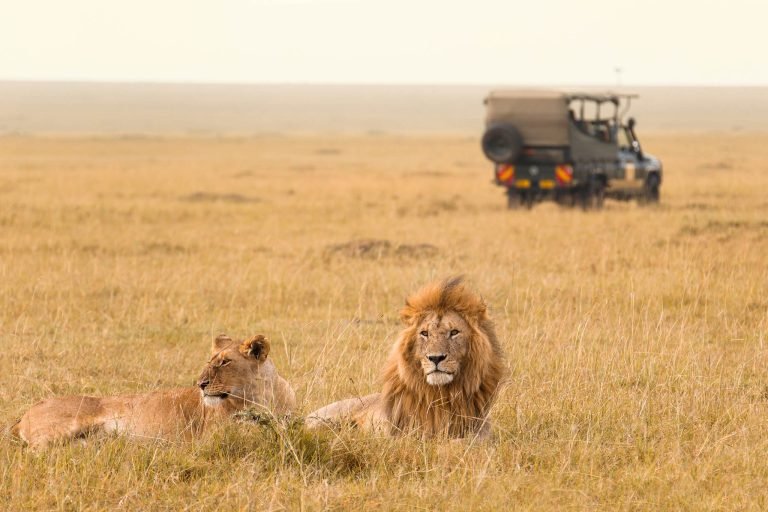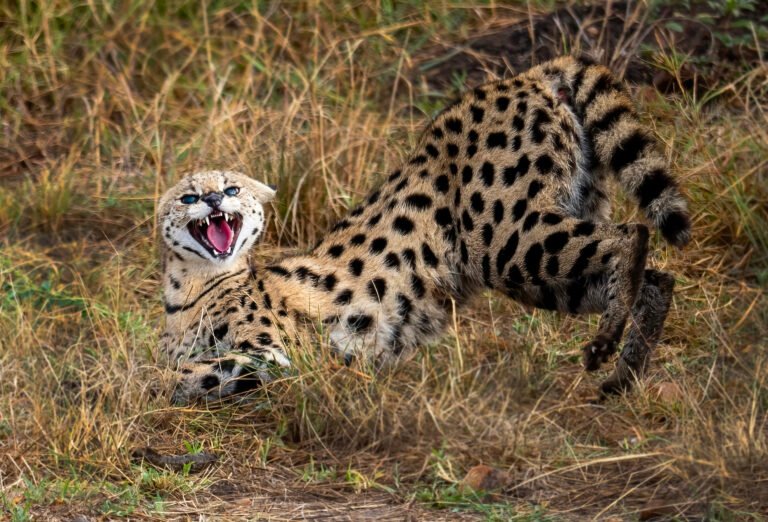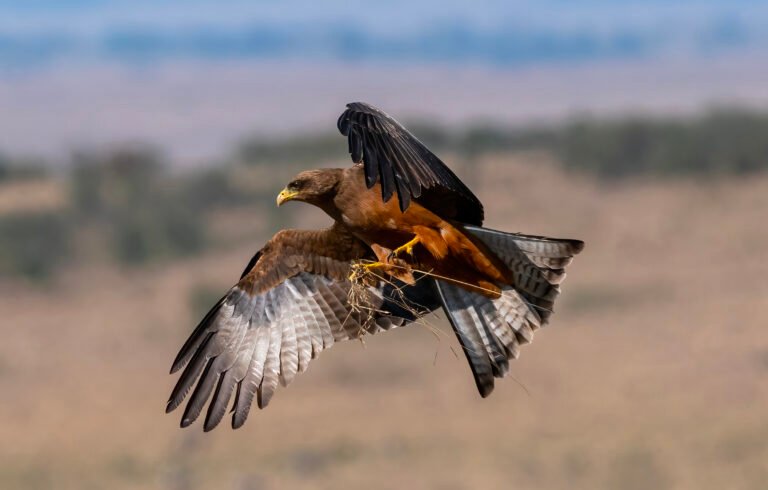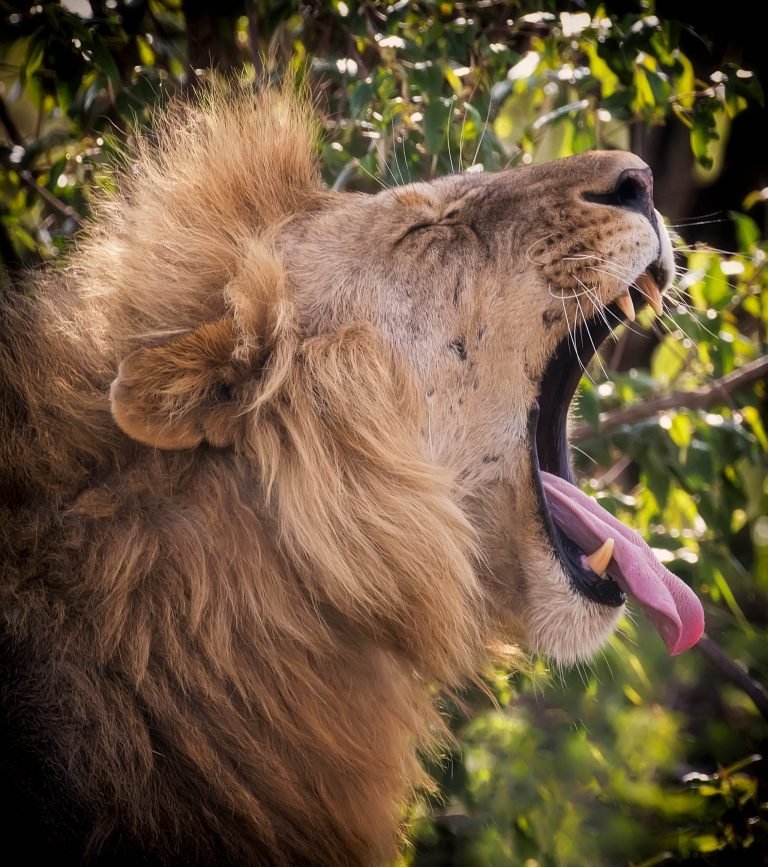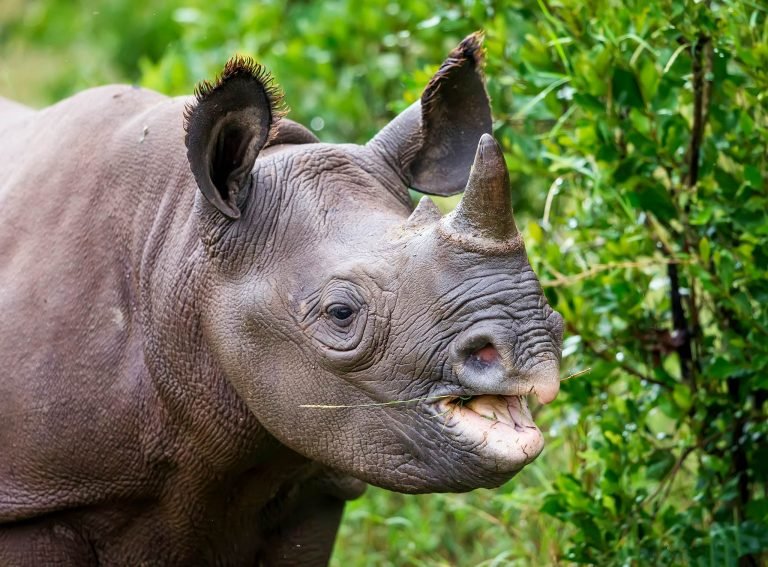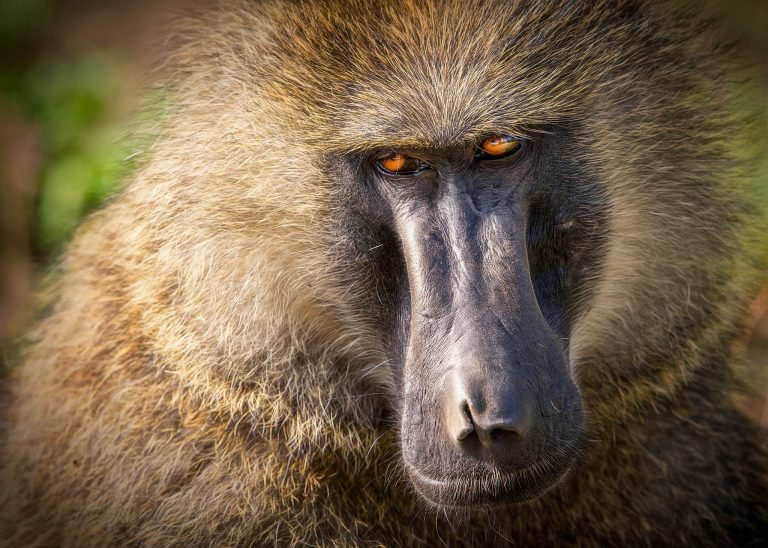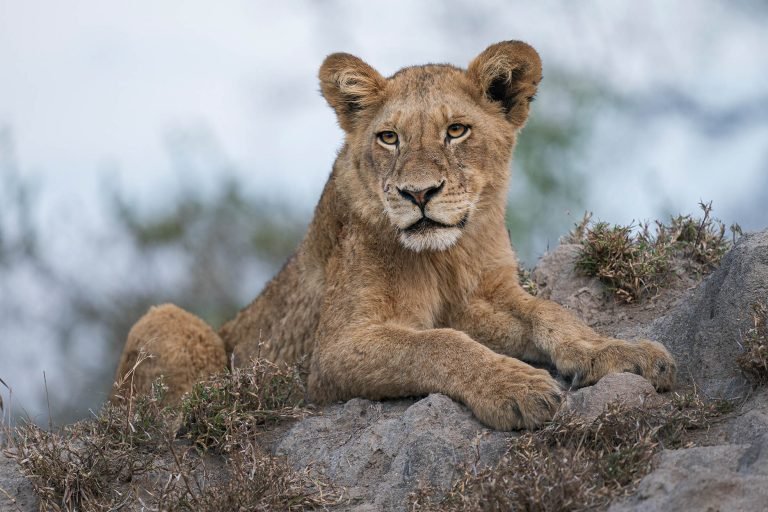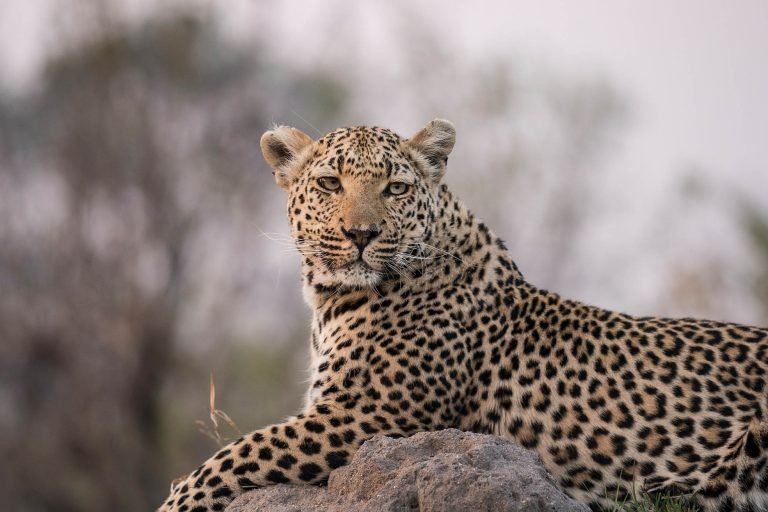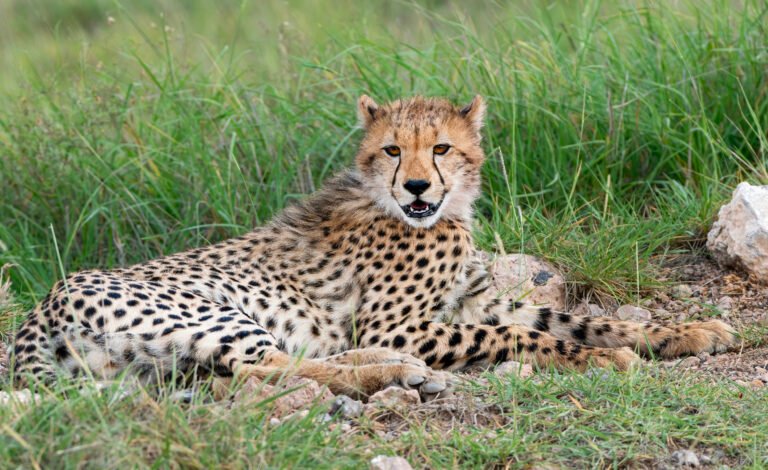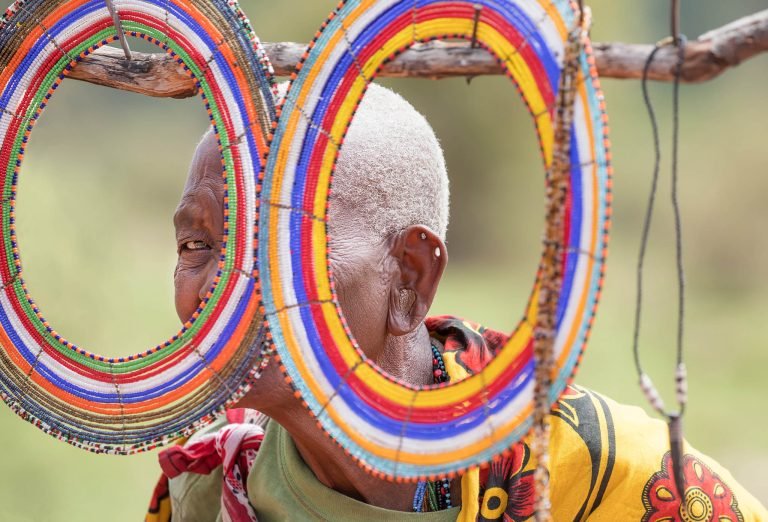
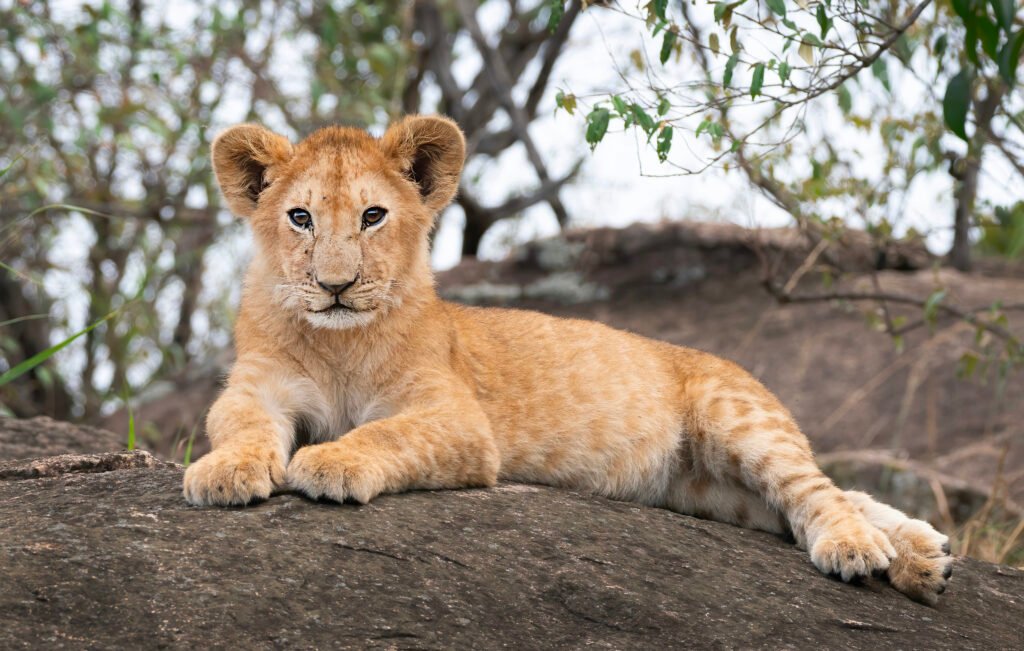
Most Kenya safaris concentrate in the same two or three parks. Ours doesn’t.
This photography safari takes in five distinct ecosystems: the semi-arid scrub of Samburu, the forgotten forests of Meru, the rhino-rich grasslands of Solio Ranch, the wetlands of Lake Naivasha, and finally the open plains of the Masai Mara. Each one looks different. Each one photographs differently.
We run it in December deliberately, when the light is clean, the vegetation has thinned, and you’re unlikely to share a sighting with more than one or two other vehicles.
Kenya’s wildlife is extraordinary. This is how to photograph it properly.
Price: $9,895
Single Room Supplement*: $1,965
Deposit: $995 US Dollars to secure your spot.
Balance: Due 90 days before departure. Full terms and conditions in FAQ.
Who: Open to all skill levels; non-photographer spouses are welcome.
Group Size: Minimum 6 People, Maximum 12 People.
Where: This photo tour starts in Nairobi.
Fitness Level: Relaxed. Daily activities are primarily game drives , you'll spend most of your time seated in a private safari vehicle. Roads in the parks can be bumpy, and some camps have stairs or uneven terrain. Guests should be comfortable getting in and out of a vehicle and managing short walks.
The tour is open to all levels of photographic skills, from beginner to experienced. However, there will be no formal workshops or critiques. We will share knowledge and skills along the way in the spirit of real adventurers.
Tour prices are set for double occupancy, so unless you travel with a friend or spouse, you'll need the single supplement. If you're traveling alone and choose not to book a single supplement, we'll do our best to pair you with another participant who also seeks to share. Roommate pairings are not guaranteed; we'll always pair you with someone of the same gender. The single supplement fee will apply if we can't make a match.
Why join a photo safari to Kenya?
Kenya is one of those places that earns every bit of its reputation. The wildlife is real, abundant, and close, and the variety of landscapes you can cover in a single trip is unlike anywhere else on the continent.
What makes Kenya so compelling for photographers isn't just the animals. It's the light, the scale, the diversity of ecosystems — from the dry, rocky terrain of the north to the tall grasses of Meru and the endless savannah of the Mara. Every region has its own character, its own palette, and its own photographic opportunities.
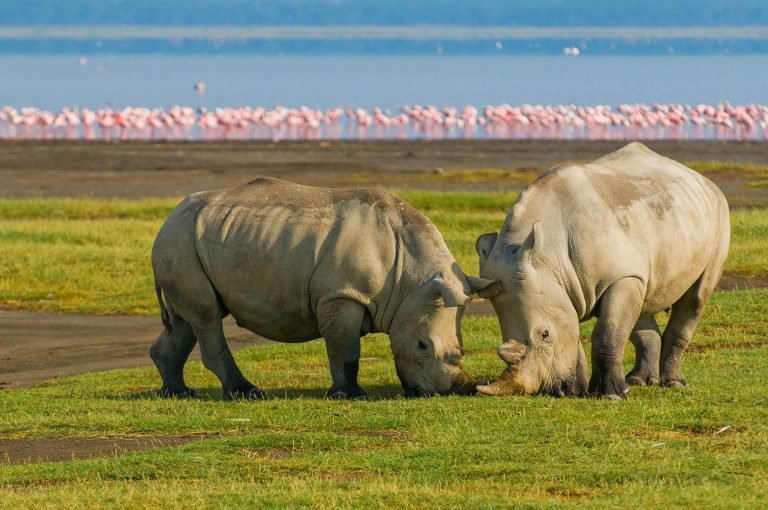
This journey takes you through some of Kenya's most celebrated and least-visited parks. In Samburu, you'll photograph the "Samburu Five" — species found nowhere else in the country. Meru offers a lush and unhurried setting that most tour groups skip entirely. At Solio Ranch, you'll photograph both black and white rhinos in open terrain, with Mount Kenya or the Aberdare Mountains as a backdrop. Lake Naivasha puts you on the water for a completely different kind of wildlife photography. And the Masai Mara, where the trip ends, delivers the scale and predator density that has made it famous.
For wildlife photographers and nature lovers, Kenya offers a connection to the natural world that is raw, authentic, and always changing.
Our tour
This Kenya photography safari is designed for photographers and nature lovers who want to experience East Africa in depth, not just tick off a list of parks.
Our 11-day journey starts and ends in Nairobi and takes you through Samburu, Meru, the Aberdare region and Solio Ranch, Lake Naivasha, and the Masai Mara. Each location was chosen for its photographic potential, and together they tell a story that moves from the wild north to the iconic south.
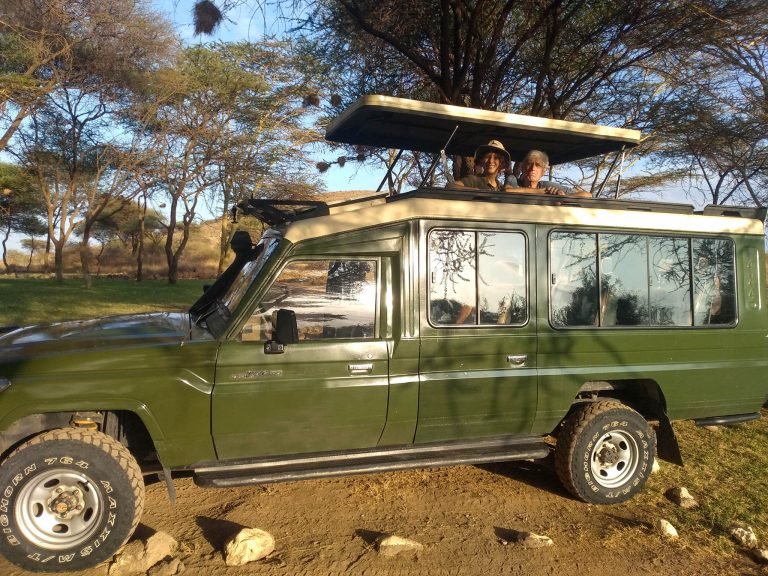
We travel in a private 4x4 safari vehicle with an experienced local guide throughout, allowing for flexibility in the field, optimal positioning for photography, and a comfortable pace. With a maximum of 12 participants and two dedicated tour leaders, you'll have the time and space to observe, wait, and make real images, not just snapshots from a moving vehicle.
December is a deliberate choice. The short rains have ended, the landscapes are green, and the parks are quieter. There are no traffic jams around lion sightings. No thirty vehicles at a cheetah kill. Just you, the light, and the animals.
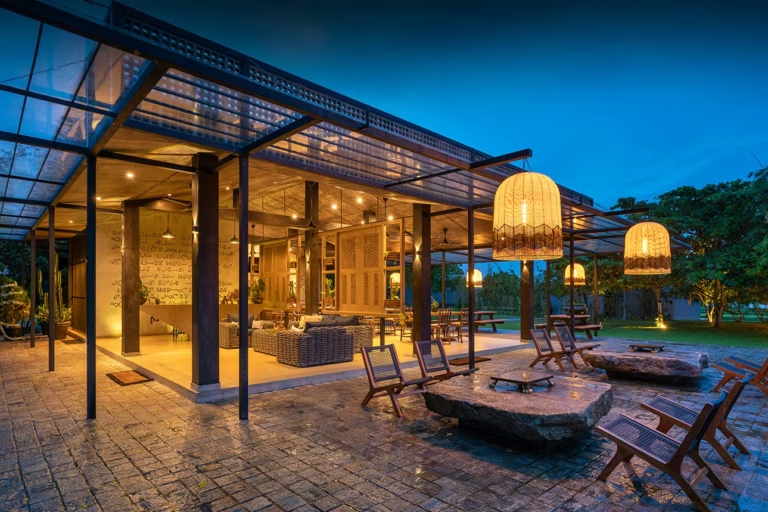
Full Itinerary
The itinerary below is our framework, and we follow it closely. But wildlife photography doesn’t run on a fixed schedule, and we wouldn’t want it to.
If the lions are active at a waterhole, we stay. If the light is doing something extraordinary, we pull over. If a location is producing strong sightings, we come back. Our guides read the bush every day and make real-time decisions to put you in the right place at the right time.
What this means in practice: game drive times may shift, we may revisit a location we scouted the day before, and we’ll always choose a genuine wildlife moment over sticking to the clock.
The itinerary gives you the shape of the journey. The bush fills in the rest.
Day 1 | Arrival in Nairobi, Airport code (NBO) | (D) | December 4, 2026
You’ll arrive in Nairobi, where we’ll greet you and transfer you to your hotel near the airport. The evening begins with a welcome meeting, introductions, and a briefing on the journey ahead. This is a good time to organize your gear and settle in before the adventure starts.
Accommodation: Hilton Garden Inn Nairobi Airport or similar.
Day 2 | Nairobi to Samburu National Reserve | December 5 | B, L, D
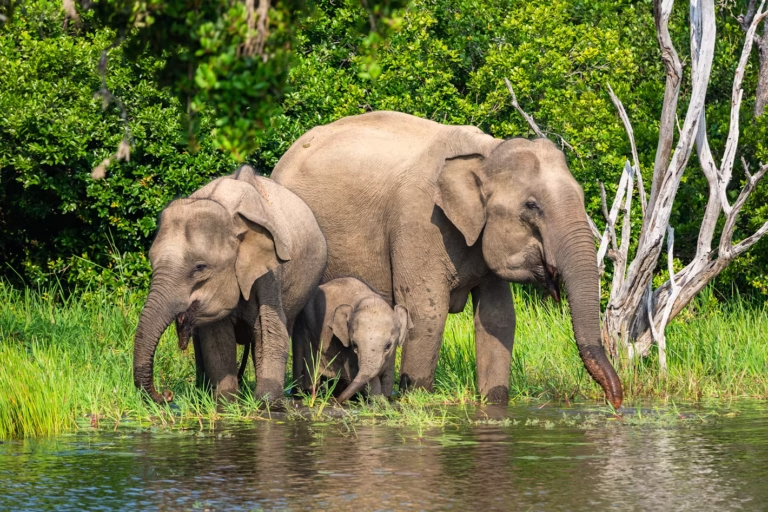
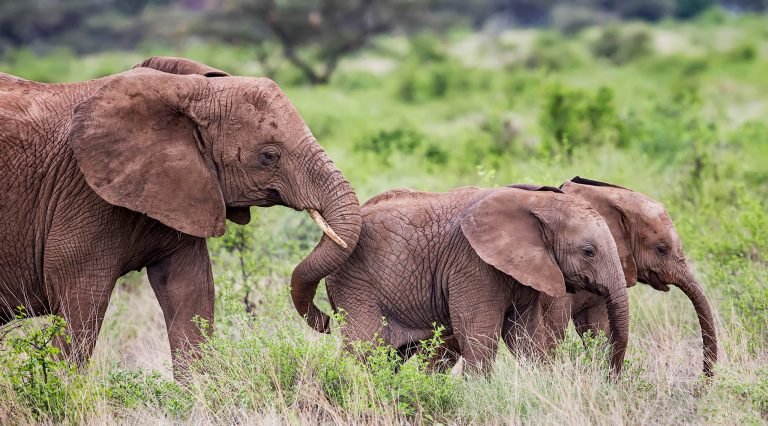
After breakfast, we begin our journey north to Samburu National Reserve, a region known for its rugged beauty and unique wildlife. We arrive in time for a late lunch at camp, then head out on our first game drive in the afternoon. Samburu’s landscape, with the Ewaso Nyiro River attracting a variety of wildlife, sets the scene for your first encounters. As the light softens toward sunset, you’ll have your first opportunities to photograph elephants, giraffes, and other species in warm, golden tones.
Accommodation: Ashnil Samburu Camp, or similar.
Day 3 | Samburu National Reserve | December 6 | B, L, D
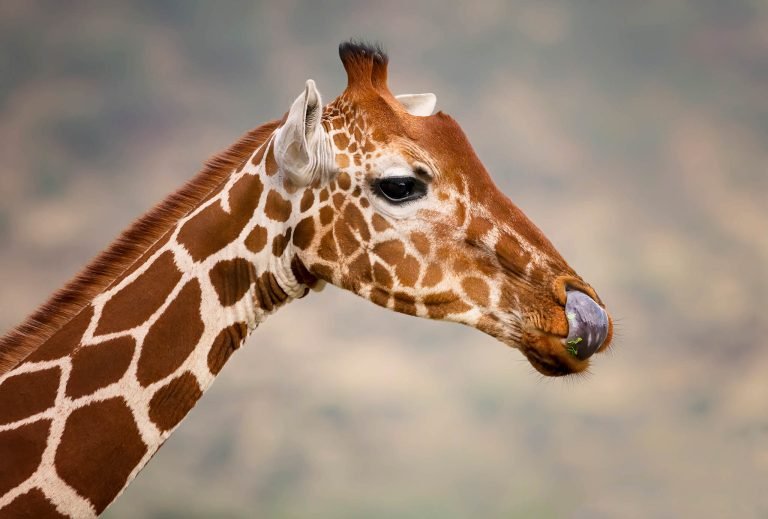
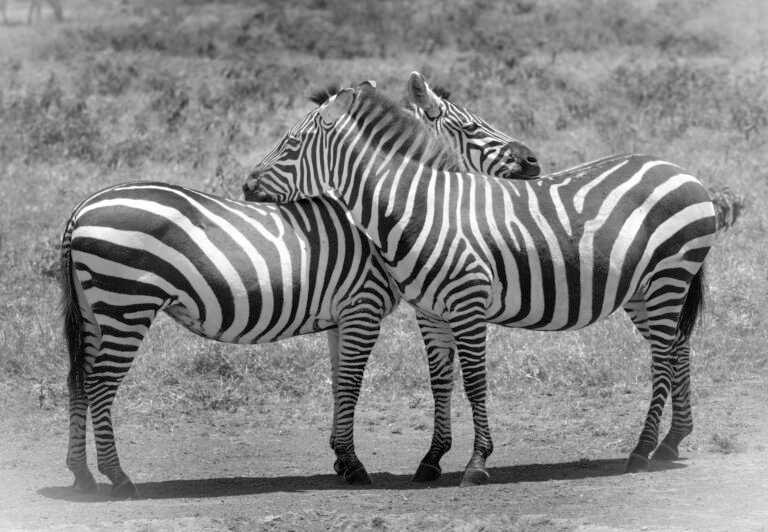
A full day in Samburu with morning and afternoon game drives. Early light along the river creates beautiful conditions for photography, while the open terrain allows for clean compositions. This region is home to the Samburu Five — Grevy’s zebra, reticulated giraffe, Somali ostrich, Beisa oryx, and gerenuk — species rarely found elsewhere in Kenya. Predators including lions and cheetahs are also resident here. We take our time, observing animal behavior and allowing for thoughtful, well-composed images rather than rushed sightings.
Accommodation: Ashnil Samburu Camp, or similar.
Day 4 | Samburu to Meru National Park | December 7 | B, L, D
After breakfast, we travel to Meru National Park — a lush and diverse landscape quite different from Samburu. We arrive for lunch at Ikweta Safari Camp, then head out in the afternoon to explore this quieter, less-visited park. Meru’s rivers, tall grasses, and palm-lined scenery create a softer, more intimate photographic setting. Wildlife encounters here often feel more natural and unhurried, offering excellent opportunities for capturing animals within their environment.
Accommodation: Ikweta Safari Camp, or similar.
Day 5 | Meru National Park | December 8 | B, L, D
Today is dedicated to exploring Meru with morning and afternoon game drives. Elephants move through the landscape, birdlife is abundant, and predator sightings are always possible. The gentle light, varied habitats, and lower visitor numbers make this a rewarding place for photography. With time and patience, Meru allows for a deeper connection to both the wildlife and the environment.
Accommodation: Ikweta Safari Camp, or similar.
Day 6 | Meru to Aberdare Region & Solio Ranch | December 9 | B, L, D
We depart after breakfast, stopping briefly at the Equator for a memorable photo opportunity. We continue on to Aberdare Country Club for lunch, then head out to Solio Ranch in the afternoon. Solio is one of the best places in Kenya to photograph rhinos — often in open landscapes with Mount Kenya or the Aberdare Mountains in the background. The setting offers clean compositions and exceptional opportunities to photograph these magnificent animals.
Accommodation: Aberdare Country Club, or similar.
Day 7 | Aberdare to Lake Naivasha | December 10 | B, L, D
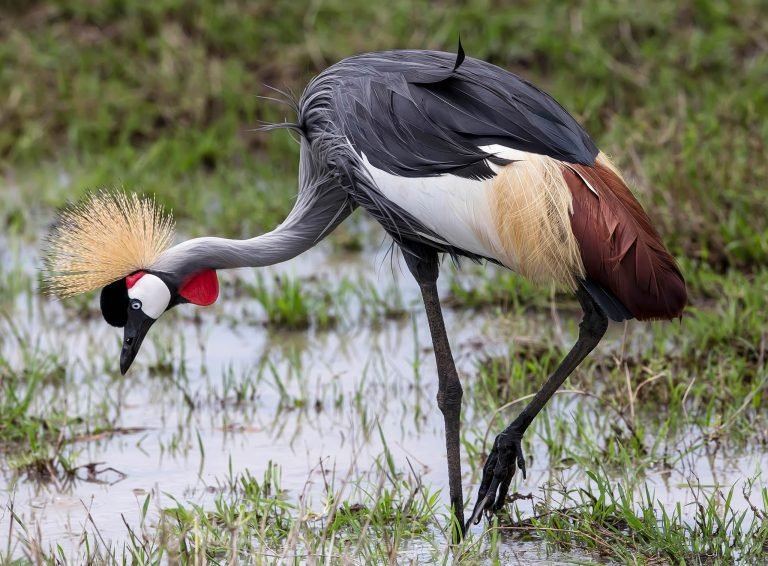
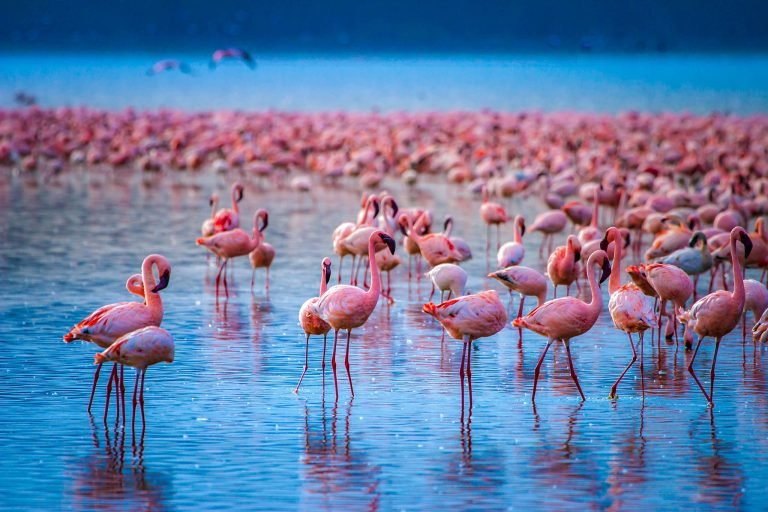
After breakfast, we travel to Lake Naivasha, arriving in time for lunch at Enashipai Resort & Spa. In the afternoon, we take to the water on a small boat for a completely different photographic perspective. Gliding across the lake, you’ll photograph hippos, pelicans, and African fish eagles — often at eye level. The calm water and changing light create a peaceful and visually striking setting, ideal for both wildlife and atmospheric images.
Accommodation: Enashipai Resort & Spa, or similar.
Day 8 | Lake Naivasha to Masai Mara | December 11 | B, L, D
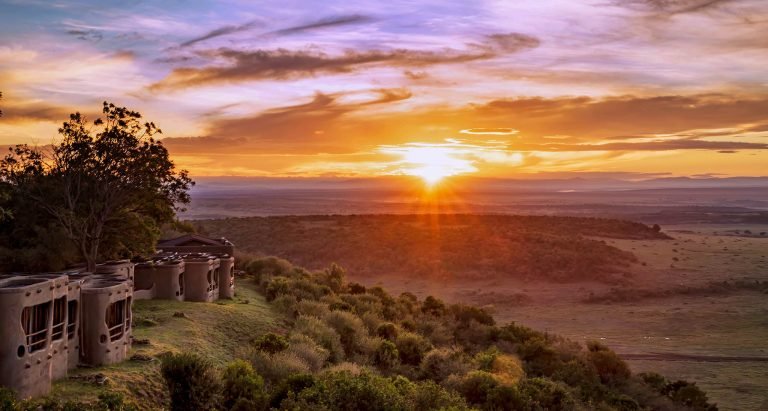
After breakfast, we journey to the Masai Mara, one of Africa’s most iconic wildlife destinations. We arrive for lunch at Mara Intrepids Camp, then head out on our first game drive across the open plains. The vast landscapes and dramatic skies of the Mara offer endless photographic possibilities, and as the day draws to a close, the golden light enhances every scene.
Accommodation: Mara Intrepids Camp, or similar.
Day 9 | Masai Mara | December 12 | B, L, D
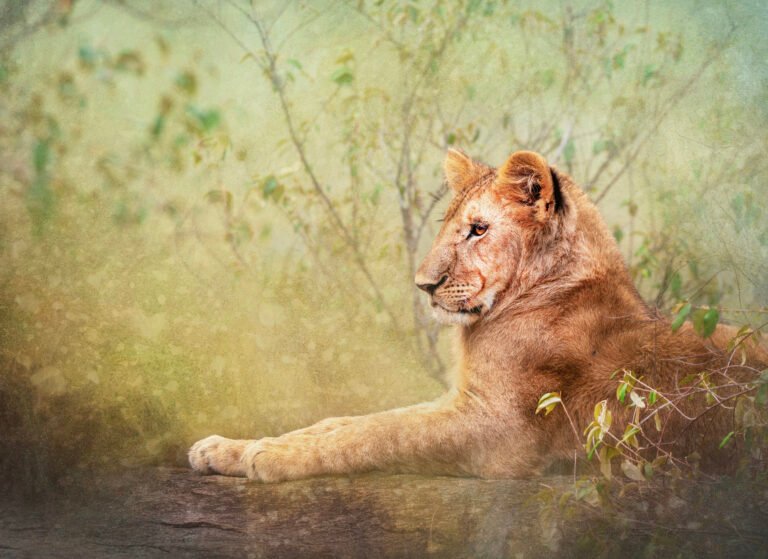
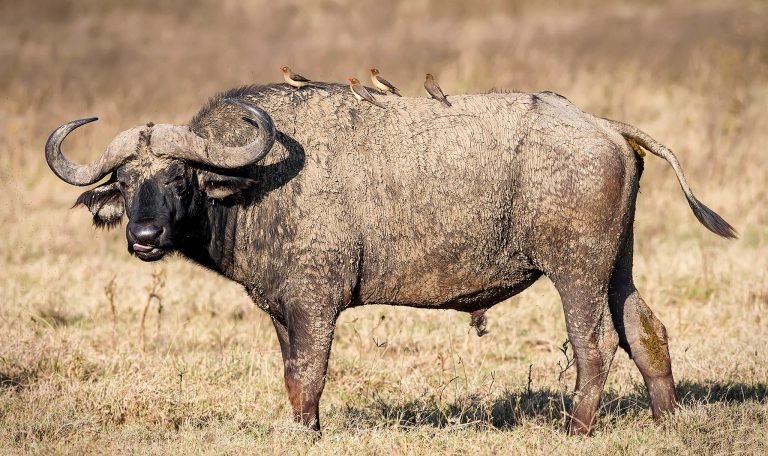
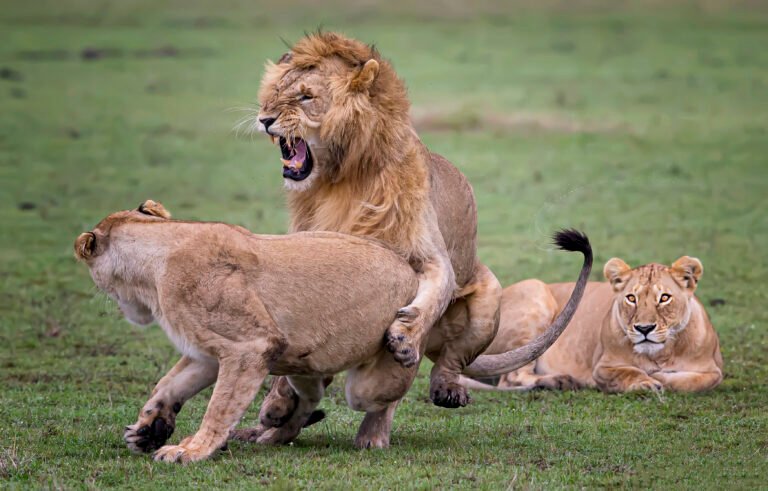
A full day in the Mara with morning and afternoon game drives. This is prime predator territory — lions, cheetahs, leopards, elephants moving across the plains. Whether it’s lions resting in the shade, cheetahs scanning the horizon, or great herds silhouetted against the sky, the Masai Mara provides some of the most iconic scenes in African wildlife photography. We give it the time it deserves.
Accommodation: Mara Intrepids Camp, or similar.
Day 10 | Masai Mara to Nairobi | December 13 | B, L
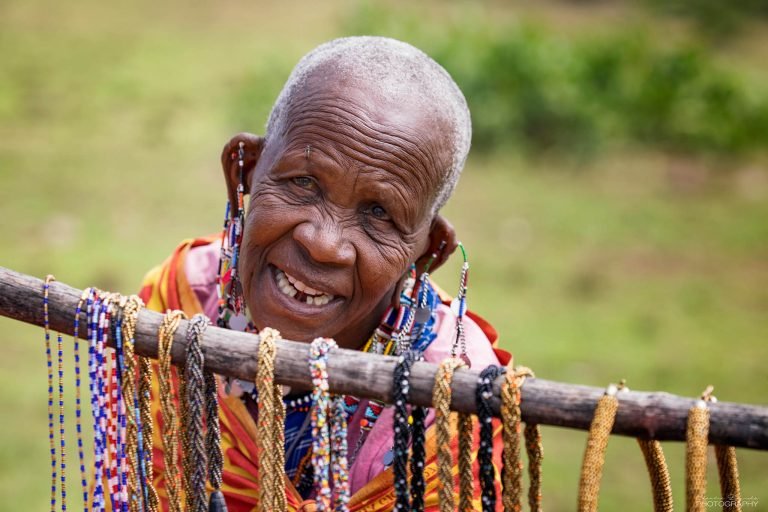
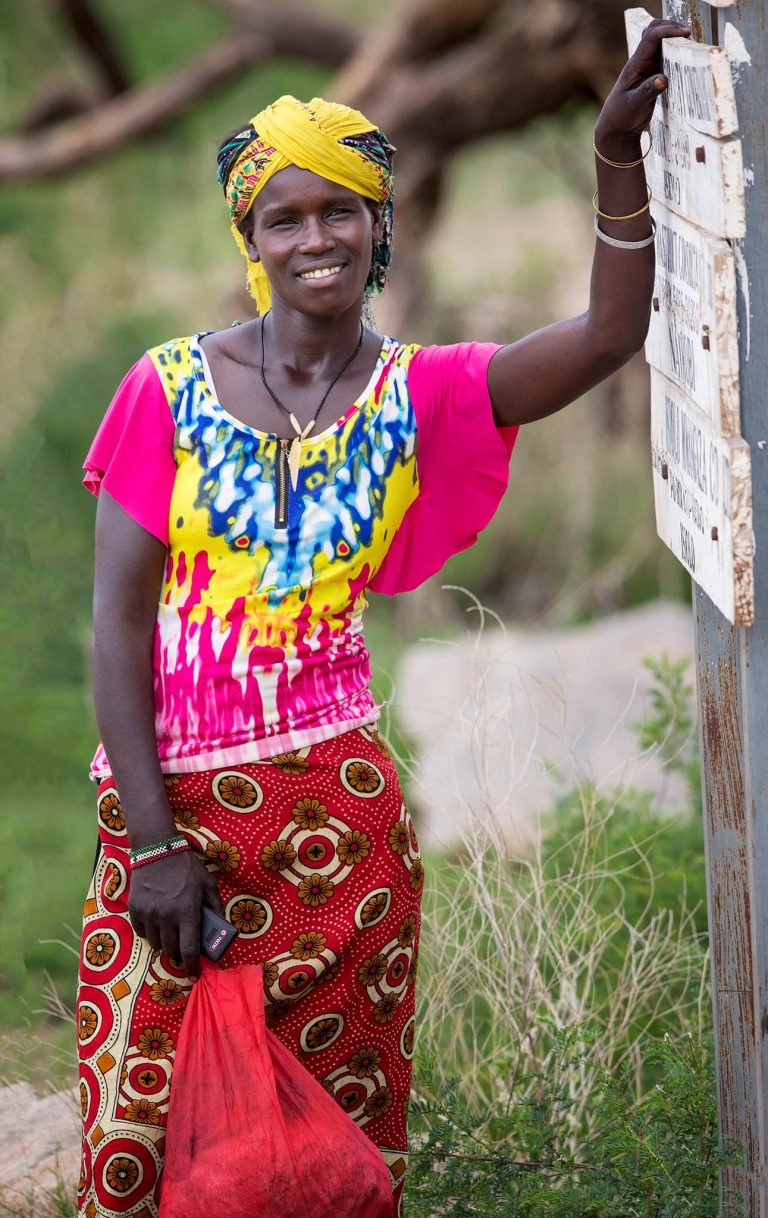
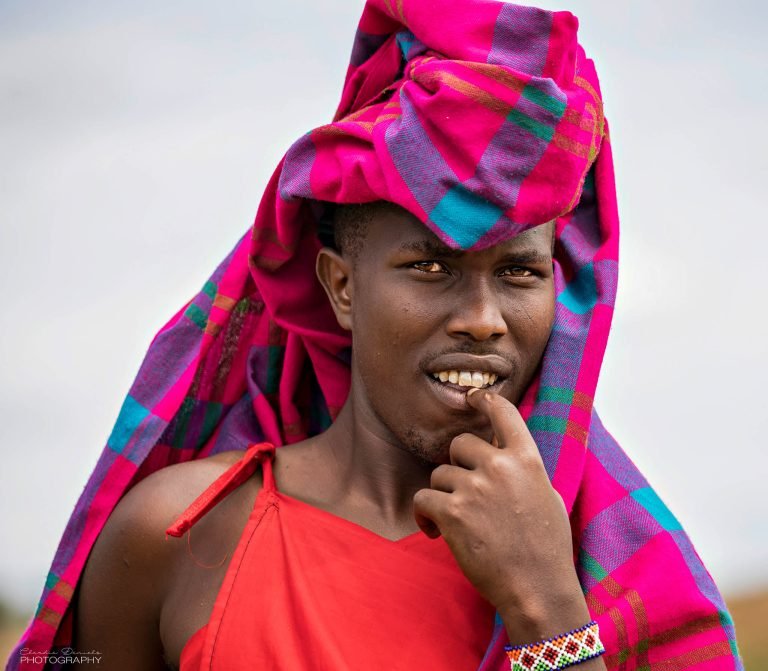
After breakfast, we visit a traditional Maasai village — a meaningful experience that adds a cultural dimension to the safari. The vibrant colors, textures, and portraits offer something distinct from the wildlife focus of the preceding days. We then begin our journey back to Nairobi, stopping for lunch along the way. Upon arrival, we transfer to our hotel near the airport.
Accommodation: Hilton Garden Inn Nairobi Airport or Similar.
Day 11 | Nairobi – Departure | December 14, 2026 | B
Not Included
- International flights to and from Nairobi.
- Travel insurance — mandatory for all participants. We recommend RoamRight.
- Alcoholic beverages.
- Tips for guides and camp staff.
- Personal expenses (souvenirs, laundry, phone calls, etc.).
- Meals not listed in the itinerary.
- Visa fees where applicable.
- Anything not explicitly listed under inclusions above. driver
Not Included
- International flights to and from Nairobi.
- Travel insurance — mandatory for all participants. We recommend RoamRight.
- Alcoholic beverages.
- Tips for guides and camp staff.
- Personal expenses (souvenirs, laundry, phone calls, etc.).
- Meals not listed in the itinerary.
- Visa fees where applicable.
- Anything not explicitly listed under inclusions above.
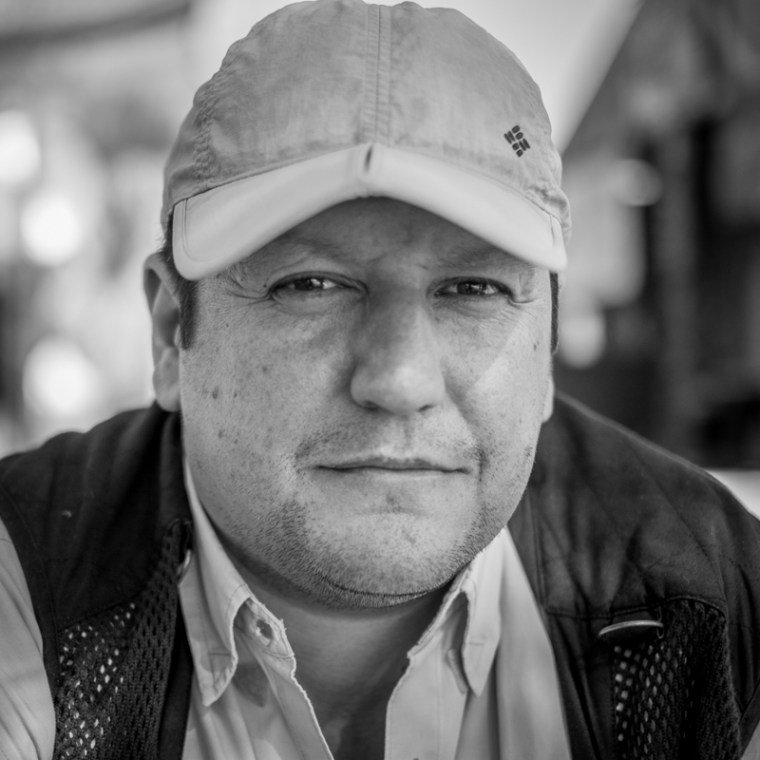
Photography is more than a passion for Daniel; it’s a golden opportunity to document the world and share unique cultures with people across the globe. Embarking upon his creative path at the age of 17, he has since shot assignments, commercial work, and lifestyle campaigns.
However, his primary focus is on travel and landscape photography. Daniel led photo tours in Morocco, India, Peru, Cuba, and Vietnam during the last few years.
Daniel is fluent in both Spanish and English.
Claudia is originally from Mainz, Germany and for two decades has been enjoying life in Venice, Florida. Her artistic photographs are reflections of the natural world around her, especially landscapes and wildlife. She periodically employs diverse techniques to enhance and augment her photographs, such as artistic filters, high dynamic range imaging, and creative pre-and post processing effects.
Her images have been featured in various magazines, newspapers, and online publications. She is an experienced instructor and photography guide, and loves to share her enthusiasm for photography and travel. Her educational background encompasses an Associate of Science Degree in Graphic Design, a Bachelor of Business, and a Master of Liberal Arts with a concentration in English and Multimedia; Claudia taught Graphic Design Technology at the State College of Florida for a number of years.
FAQs
How do I get to Kenya?
Best place to fly to is Nairobi Airport.
There is direct flight with Kenyan Airways from JFK to Nairobi: https://www.kenya-airways.com/en-us/
Where do we meet?
You’ll arrive at Nairobi airport, where we’ll greet you and transfer you to your hotel near the airport. The evening begins with a welcome meeting, introductions, and a briefing on the journey ahead. This is a good time to organize your gear and settle in before the adventure starts.
Why should I join this Kenya tour?
Kenya's wildlife is extraordinary. The experience of photographing it without twenty other vehicles present is something else entirely.
This itinerary is structured to give you that. By combining the Masai Mara with lesser-visited destinations — Samburu, Meru, and Solio Ranch — and timing the trip for December, you spend your days in uncrowded parks, surrounded by green post-rain scenery, with space and stillness that peak season simply cannot offer.
No professional background is needed. The right mindset matters more than technical skill: come with patience, genuine interest, and a readiness to slow down and spend real time watching wildlife rather than simply ticking it off a list.
Is Kenya safe?
Kenya has welcomed international visitors for decades and has a well-developed tourism infrastructure built around it. The specific areas on this itinerary — Samburu, Meru, the Aberdare region, Lake Naivasha, and the Masai Mara — have long, established track records of hosting travelers without incident.
As with any destination, sensible precautions are part of travelling well.
Travelling as a private group throughout the trip removes much of the uncertainty that comes with independent travel. Your local guide and drivers have deep familiarity with this territory and handle every element of in-country logistics from the moment you land.
What fitness level is required?
This tour is rated Relaxed, and that rating is accurate.
The majority of each day is spent on game drives in a private safari vehicle — seated, comfortable, and moving through the parks at an unhurried pace. Some tracks inside the reserves are rough underfoot, and certain camps involve steps or uneven ground between areas, so a reasonable level of mobility is helpful. Being able to get in and out of a vehicle and walk short distances without difficulty is all that's required.
There is no hiking involved, no significant elevation to manage, and no long stretches on foot. If you have a specific health condition you'd like to discuss before committing, get in touch and we'll talk it through honestly.
What are the health requirements?
Kenya requires a little advance preparation on the health front — none of it complicated, but worth doing properly.
Malaria is present throughout the regions on this itinerary. A consultation with your doctor or a travel medicine clinic is strongly advised at least four to six weeks before you depart. Common prophylaxis options include Malarone, Doxycycline, and Lariam, and your physician will help identify the most suitable choice for you. Alongside medication, pack a DEET-based insect repellent, plan to wear long sleeves and trousers after dark, and consider a travel mosquito net if you know you are particularly susceptible.
Yellow fever vaccination requirements vary depending on your country of departure and any transit stops along the way. Check what applies to your specific routing with your doctor or the Kenyan embassy before you travel.
Routine vaccinations should be current before any East Africa trip. Hepatitis A, Typhoid, and Tetanus are among those most commonly recommended — a travel medicine specialist will give you up-to-date guidance based on your history.
Finally, bring a full supply of any personal medications, copies of your prescriptions, and a doctor's letter where relevant. Medical support inside the parks is limited, so being self-sufficient throughout the safari is genuinely important.
What should I pack for Kenya?
Clothing for a Kenya safari is practical above all else. Neutral colors — khaki, olive, tan, grey — are standard for good reason: they keep you comfortable in the heat and do not disturb wildlife. Avoid white, bright colors, and camouflage patterns.
Clothing:
Lightweight long-sleeved shirts and trousers for game drives and evenings
A warm mid-layer — mornings in the vehicles at Samburu and the Mara can be genuinely cold
A light windproof jacket
Comfortable walking shoes or boots for camp environments
Sandals for downtime at lodges
Hat with a brim for sun protection
Sunglasses
Photography gear:
A telephoto lens in the 100-500mm range is the core tool for game drive photography
A versatile zoom (24-105mm or similar) for landscapes, camp environments, and the Maasai village visit
A second camera body if you have one — lens changes in the field cost you shots
Plenty of memory cards and spare batteries
A good dust cloth and lens cleaning kit — dust is a constant on game drives
A sturdy camera bag that fits between your knees in the vehicle
Personal:
High-SPF sunscreen and lip balm
Insect repellent with DEET
Personal medications and a small first aid kit
Reusable water bottle (we provide 1 liter of bottled water per person per day)
Headlamp for early morning starts
Do I need a passport or visa to enter Kenya?
Most international visitors require an Electronic Travel Authorisation (eTA) to enter Kenya. It is obtained online before departure, straightforward to complete, and valid for 90 days. The process typically takes a few days, so apply well before your travel date.
Your passport must be valid for at least six months beyond your planned departure date from Kenya, with at least two blank pages available for entry stamps.
Keep a copy of your passport and eTA stored separately from the originals throughout the trip. We will provide full entry requirement details and links in your pre-trip information pack.
Do I need travel insurance?
Yes — travel and medical insurance, including emergency medical evacuation coverage, is mandatory for all participants. Medical facilities inside Kenya's national parks and reserves are limited, and evacuation from remote areas requires specialist resources. This is not optional.
We recommend and partner with RoamRight.
Purchase your insurance as soon as your spot is confirmed to protect your deposit and any pre-trip costs.
What about money in Kenya?
The currency in Kenya is the Kenyan Shilling (KES). US dollars are widely accepted at safari camps, lodges, and for tipping, and are generally the most practical foreign currency to carry.
ATMs are available in Nairobi and in larger towns. We recommend withdrawing cash or exchanging currency before entering the parks, as there are no banking facilities in Samburu, Meru, or the Masai Mara. Most lodges accept major credit cards for incidentals, but cash is essential for tips and personal purchases.
Tipping is customary in Kenya and expected by guides and camp staff. As a general reference: safari guides USD $15 to $20 per day, camp staff USD $5 to $10 per day, drivers USD $5 to $10 per day. This is at your discretion.
The tour includes all meals, park fees, and activities as listed, so your main out-of-pocket expenses will be tips, alcoholic beverages, and any personal items.
What are the hotels and accommodation like on this trip?
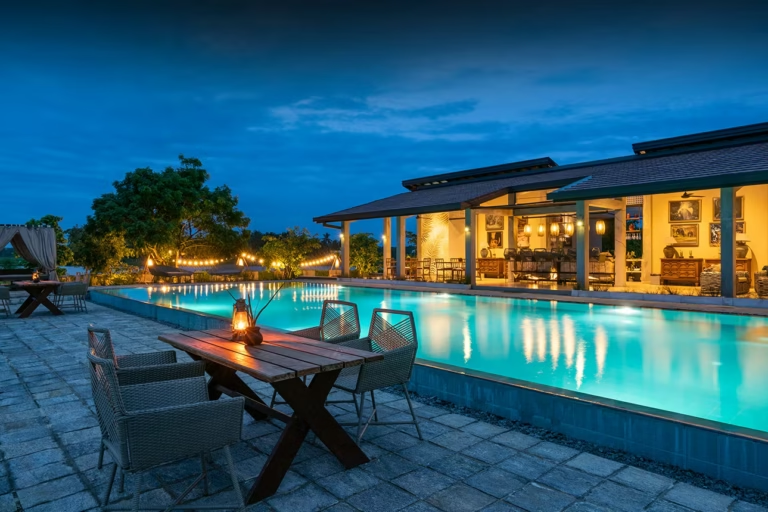
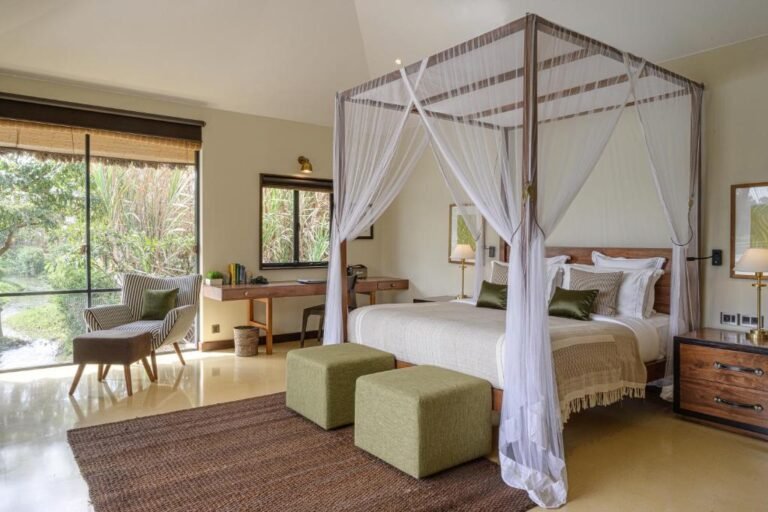
Accommodation on this safari moves from a well-located airport hotel in Nairobi to a series of tented camps and lodges chosen for their access to wildlife and their sense of place in the landscape.
In Nairobi, we use the Hilton Garden Inn Nairobi Airport — practical, comfortable, and close to the terminal for early departures and late arrivals.
In Samburu, Ashnil Samburu Camp sits directly on the Ewaso Nyiro River, which means wildlife passes through camp. In Meru, Ikweta Safari Camp provides a quieter base in one of Kenya's most beautiful and least-visited parks. The Aberdare Country Club offers a very different setting — a historic property with sweeping views and excellent access to Solio Ranch. On Lake Naivasha, Enashipai Resort and Spa is a well-regarded property on the lakeshore. The Masai Mara closes the safari at Mara Intrepids Camp, one of the established camps in the reserve.
All accommodations are en suite with full facilities. This is a comfortable safari, not a camping expedition.
What is the food like in Kenya?
Safari camp food in Kenya is consistently good and often genuinely impressive given the locations. Camps take hospitality seriously, and meals are a proper sit-down affair — breakfast before the morning drive, lunch back at camp, dinner under the stars.
Expect fresh produce, local proteins, a mix of East African and international dishes, and strong coffee. Dietary restrictions are well accommodated at all the properties on this itinerary — let us know at the time of booking and we will confirm arrangements in advance.
All breakfasts, lunches, and dinners as listed in the itinerary are included in the tour price, along with non-alcoholic beverages. Alcoholic drinks are available at the camps and billed separately.
Is there cell and Internet service in Kenya?
Coverage varies significantly across the itinerary. In Nairobi, mobile and Wi-Fi service is reliable. In Samburu and Meru, coverage is limited and inconsistent — expect to be largely offline, especially in the field. The Aberdare region and Lake Naivasha have better coverage. The Masai Mara has patchy service in some camps and none in others.
If you plan to stay connected, a local Kenyan SIM card purchased at the airport in Nairobi is the most cost-effective option. Major carriers include Safaricom (the most widely used and recommended) and Airtel. Most lodges provide Wi-Fi in common areas, though speeds vary.
Plan for several days with limited or no connectivity during the safari. Let family and friends know before you leave.
What is the electricity voltage in Kenya and do I need a plug converter?
Kenya uses 240V at 50Hz. The standard plug type is Type G — the same three-pin rectangular format used in the UK. Travelers from North America will need both a plug adapter and, for devices that are not dual voltage, a voltage converter.
Most modern electronics — laptops, camera chargers, phone chargers — are dual voltage (100-240V) and only need a plug adapter. Check the label on your devices before you go.
All lodges and camps on the itinerary provide standard power outlets. Bring a multi-port USB charger to keep batteries topped up overnight, and consider a small power bank for full days in the field.
What are the terms, refunds and cancellation policies of this Kenya tour?
1) Booking procedure:
All prices for the tours are quoted in US Dollars.
We require a deposit to reserve a place on the selected photo tour. The deposit is due at the time of booking and can be paid online via credit card; ACH and Debit Cards are also accepted.
Other than the deposit, you must complete the registration form for you and your guests, if any.
If you are traveling solo and want to share a room, we will try our best to find you a match. However, if, for any reason, we don't find a suitable match, the single supplement fee will apply.
We will email you shortly after confirming your booking. Please do not book your flights at this time unless otherwise indicated by us. We will email you once the minimum number of guests to run the tour has been reached.
2) Balance of Payments:
The final payment for the trip is 90 days before departure. Such payment shall be made via credit card or wire transfer. Failure to meet the payment schedule will result in cancellation and forfeit of the deposit.
3) Cancellations and Refunds:
If DAK Photography Inc. must cancel the trip for any reason, 100% of paid deposits will be fully refunded. We reserve the right to cancel any trip/tour/group due to insufficient registration at any time. In the event of such cancellation, those with reservations shall be notified as soon as possible, and a full refund of the trip payment will be given.
Please note that deposits are non-refundable. However, they may be applied as a credit toward a future trip with us, provided the credit is used within 12 months of the original trip's start date.
If a guest needs to cancel, we must receive written notification. Email is accepted.
The following cancellation fees apply:
120 days or more before departure: no charge.
61 days to 119 days before departure: 50% of the tour fee.
60 days or less before departure: 100% of the tour fee.
In the event that you have to cancel, we will do our best to fill your spot. If we do so, we will refund 100% of the tour fee minus an administrative fee of $250.
Refunds will not be made for any other costs you may have incurred as a result of your booking.
Travel and medical insurance, including emergency evacuation coverage, are mandatory for all participants. To safeguard your investment, we strongly recommend purchasing this coverage as soon as your trip is confirmed. We also encourage you to select an insurance policy that covers non-refundable deposits and other pre-trip expenses in case of unforeseen cancellations.
All refunds will be processed within 30 days of receiving written confirmation of your cancellation.
How do I book and pay for this tour?
You can book and pay online securely via our booking service on We Travel. Please click the button above to be taken to the booking page.