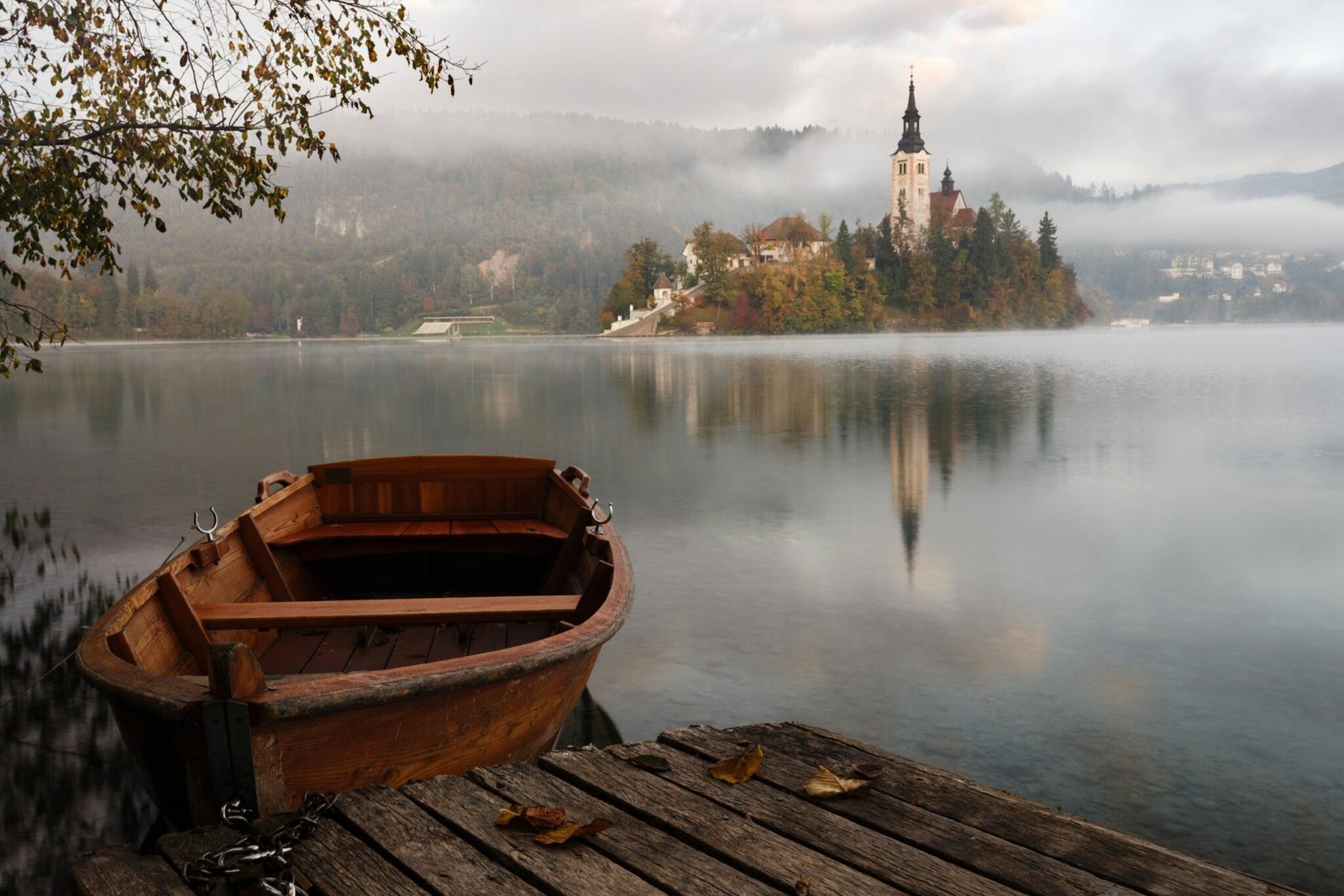
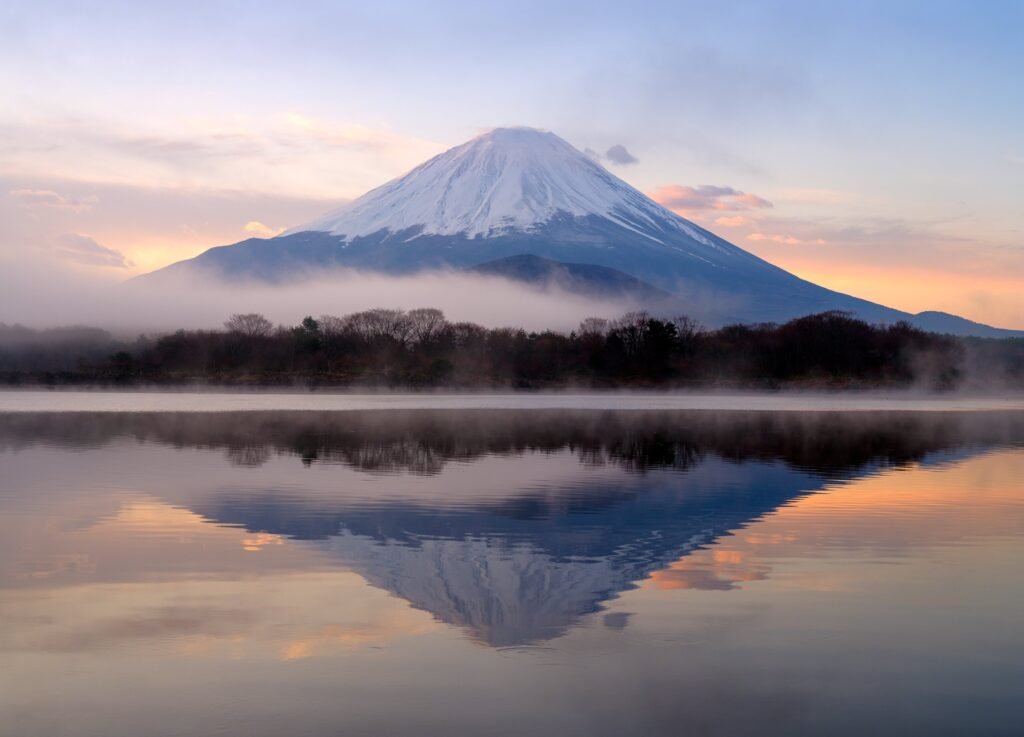
Join us in November 2026 for 12 days photographing Japan at the height of fall. The route is built around the fall color season — starting at the Fuji Five Lakes with the mountain framed by turning maples, across to Miyajima Island for the floating torii, forest paths, and deer wandering the temple grounds, then four full days in Kyoto as the gardens and hillside maples hit their peak. We finish in Tokyo, where the color arrives last and the city parks and urban streets offer a completely different end to the trip.
The range Japan offers in a single day is hard to match anywhere else. Sunrise on Mt Fuji, temple gardens mid-morning, afternoon light in the backstreets, neon-lit neighborhoods after dark. Ancient and hypermodern sit side by side here — and this itinerary is designed to shoot all of it.
When: November 19-30, 2026
Price: $8,295
Single Room Supplement*: $1,395
Deposit: $995 US Dollars to secure your spot.
Balance: Due 90 days before departure. Full terms and conditions in FAQ.
Who: Open to all skill levels; non-photographer spouses are welcome.
Group Size: Minimum 6 People, Maximum 12 People.
Where: This photo tour starts and ends in Tokyo.
Fitness Level: Relaxed; most photo opportunities are within one mile from where we leave the vehicle. You may need to be able to stand and walk for long periods. There is a chance that you can encounter steep terrain (e.g., cobblestones, city hills, stairs without handrails, an absence of elevators, and climbing aboard trains or coaches with big steps) and some longer walks to get to city centers where vehicles are prohibited.
The tour is open to all levels of photographic skills, from beginner to experienced. However, there will be no formal workshops or critiques. We will share knowledge and skills along the way in the spirit of real adventurers.
*Tour prices are set for double occupancy, so unless you travel with a friend or spouse, you'll need the single supplement. If you're traveling alone and choose not to book a single supplement, we'll try to pair you with another participant who also seeks to share.
Roommate pairings are not guaranteed; we'll always pair you with someone of the same gender. However, the single supplement fee will apply if we can't match you with another guest.
Why join a photo tour to Japan?
Japan is dense. Walk five minutes in any direction and you'll find something worth photographing. A 400-year-old temple tucked between office buildings. Monks in traditional robes waiting at a crosswalk next to salarymen. A perfectly manicured garden behind a subway station.
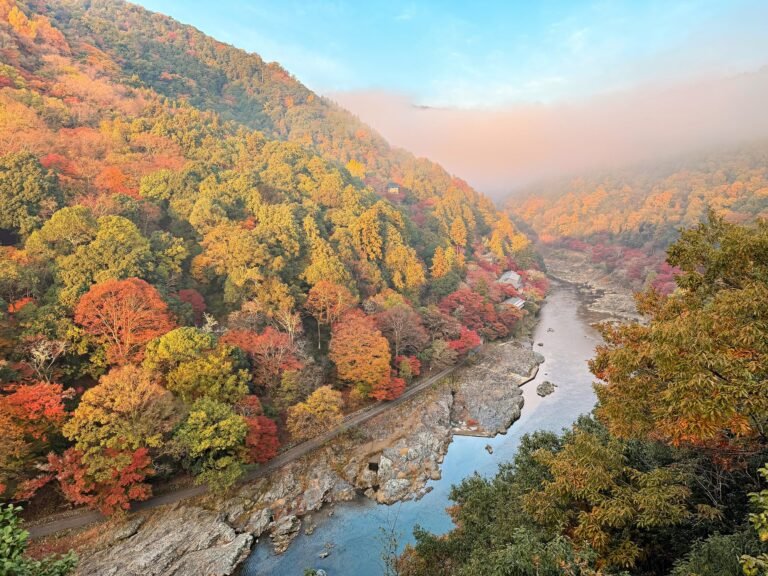
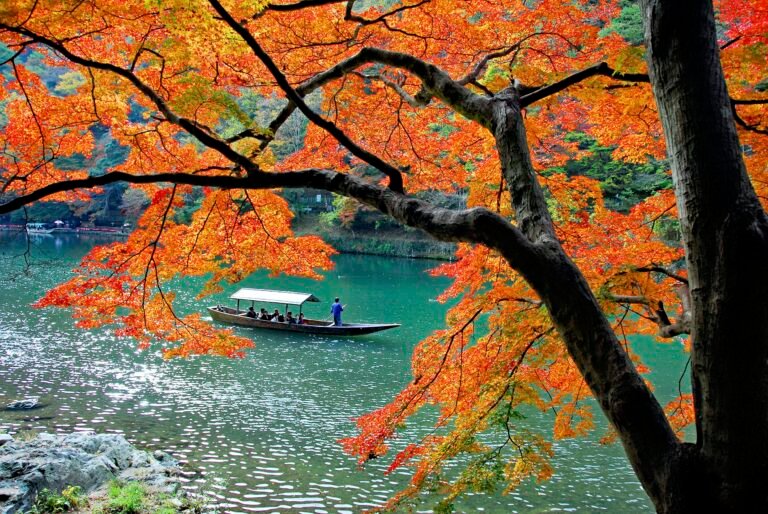
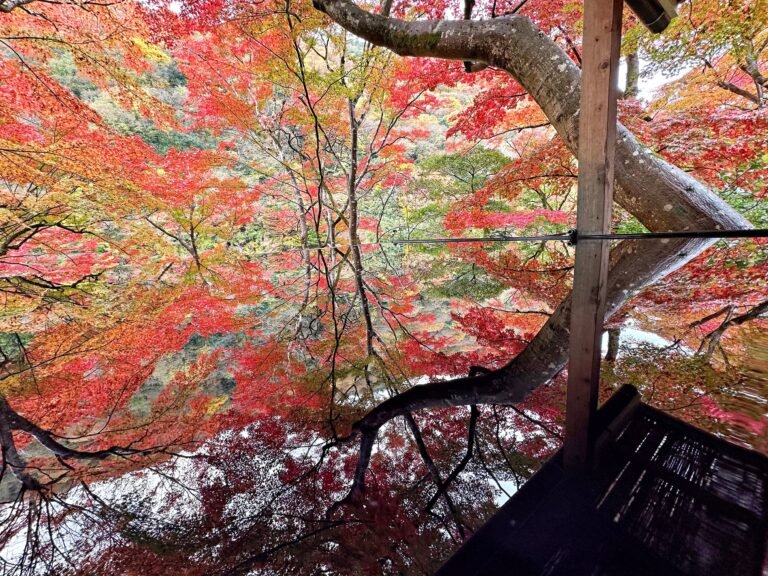
Autumn changes how everything looks. The maples go bright red, ginkos turn yellow, and it happens at different times depending on where you are. Higher elevations peak first, then it moves down to the cities. By the time we reach Tokyo at the end of the trip, the urban parks are hitting their stride while the mountains we started at are already bare.
The infrastructure makes it possible to cover ground. Bullet trains are fast and reliable. Hotels are where we need them. You can be photographing Mt. Fuji at sunrise and in a completely different city by afternoon without losing half your day to travel.
What makes Japan work is range. Mountains, coastlines, historic districts, modern cities, all within reach of each other.
Our tour
Twelve days, maximum 12 people. We keep the group small so we can move when we need to and adjust based on what's actually happening with weather and fall colors.
We start in Tokyo, then head straight to the Fuji Five Lakes for two days. This is where we focus on the mountain, reflections in calm water, fall colors in the foreground, early mornings when visibility is best. We'll work multiple lakes depending on conditions.
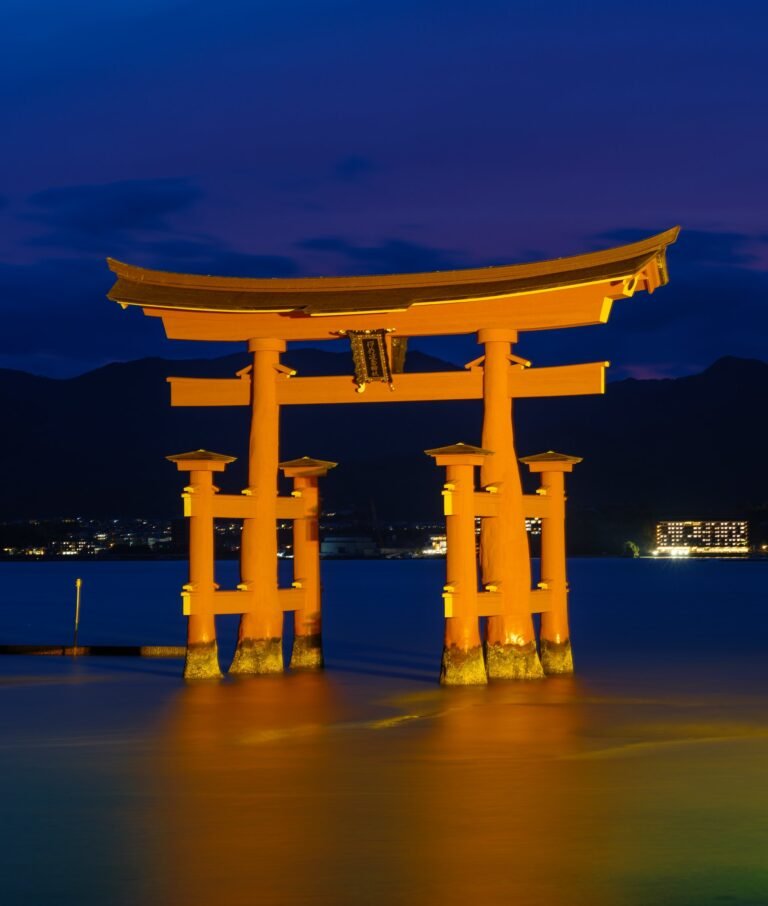
Miyajima Island is next. Two days there gives us the floating torii gate plus the less obvious stuff: forest trails, shrine details, evening light along the waterfront, deer wandering through town. It's slower paced than Tokyo or Kyoto.
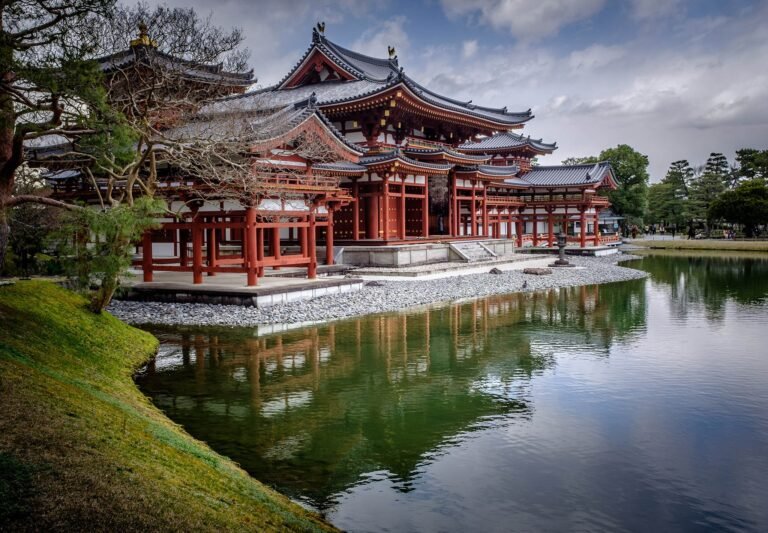
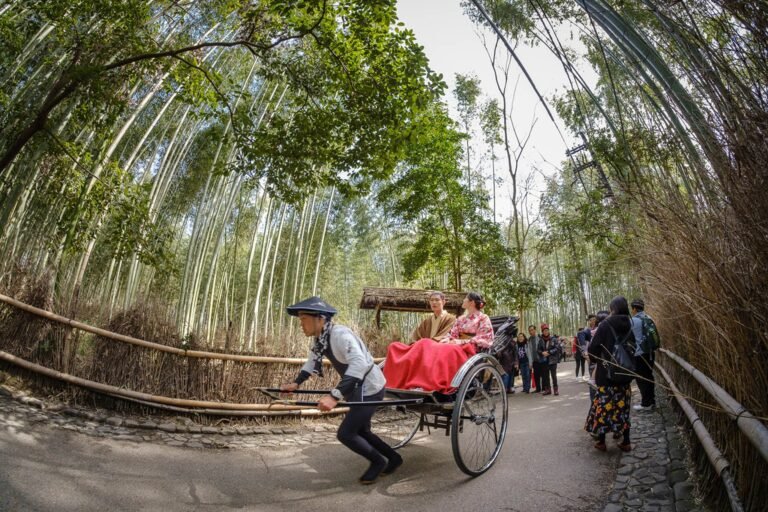
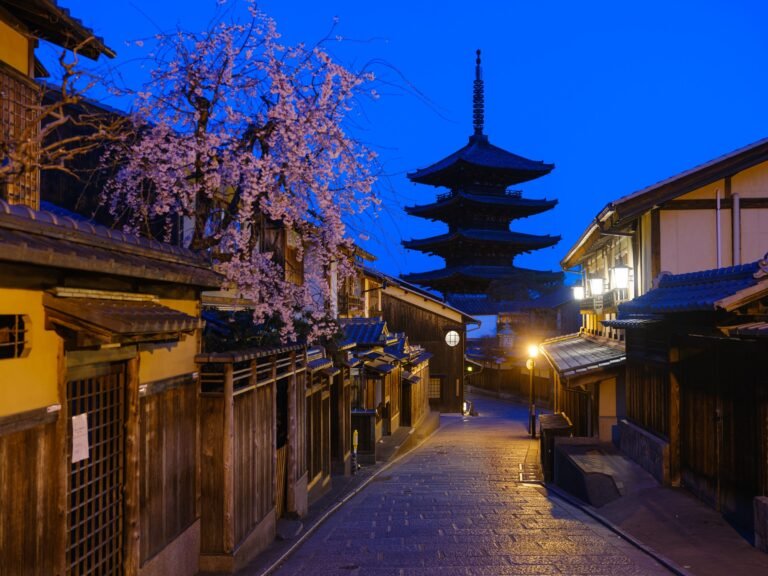
Kyoto gets four full days because there's more to work with. Multiple temple districts, each with different character. Bamboo forests in Arashiyama. Traditional streets in Gion. Gardens that are best at different times of day. We'll have enough time to revisit locations if the light wasn't right the first time or if you want another crack at a composition.
Back to Tokyo for the final two days. By late November the city parks are in full autumn color. You get a completely different look than what we shot at Fuji - urban environments, modern architecture, street scenes, nighttime cityscapes.
Early starts when they matter. Flexibility to shift plans. Room to work at your own pace while staying with the group.
Full Itinerary
This plan stays flexible. Fall colors peak at different times depending on weather and elevation, so we’ll adjust based on current conditions. If one location is ahead of schedule or the forecast shows better light elsewhere, we move accordingly.
Day 1 | Arrival in Tokyo, Airport code (HND) or (NRT) | (D) | November 19, 2026
Arrive in Tokyo and meet at the hotel. We’ll gather in the evening for a welcome dinner where we’ll walk through the trip flow, discuss what everyone wants to focus on photographically, and get to know each other.
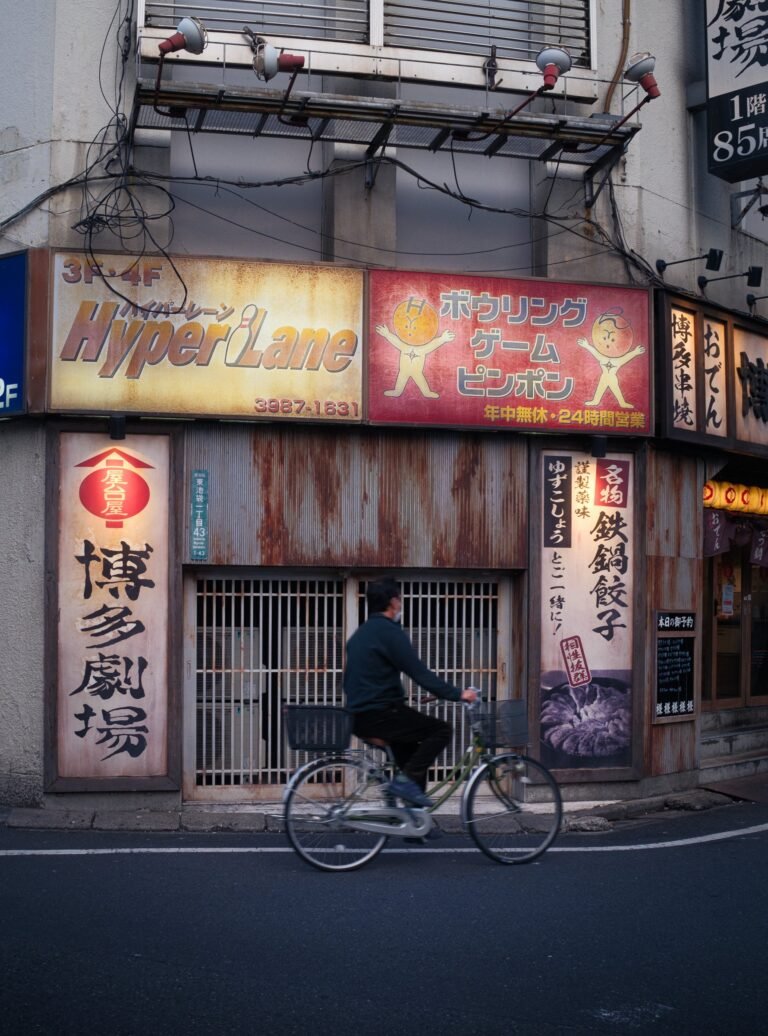
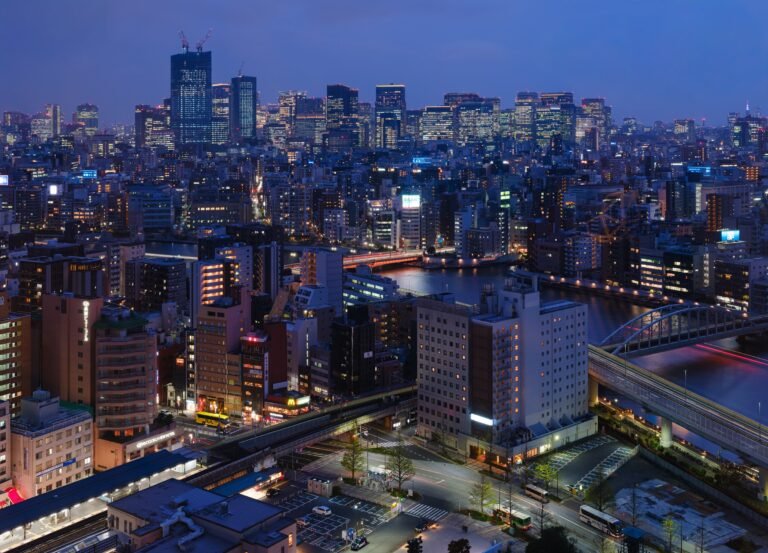
After dinner, those who aren’t too jet-lagged can explore the neighborhood around Ikebukuro -neon-lit streets, evening crowds, and a first taste of Tokyo’s night energy make for solid urban photography.
Accommodation: Hotel Metropolitan Ikekuboro or similar.

Day 2 | Tokyo to Fuji Five Lakes | B, D
After breakfast, we head to the Fuji Five Lakes region by chartered bus.
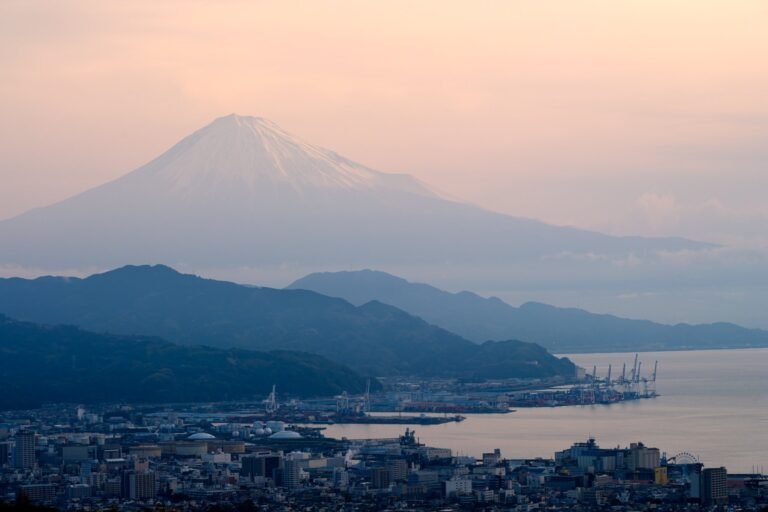
This area delivers the classic postcard shots – Mt. Fuji rising above calm lakes with autumn colors reflecting in the water. We’ll arrive with enough time to scout locations around Lake Kawaguchiko, work afternoon light on the mountain, and set up for sunset.
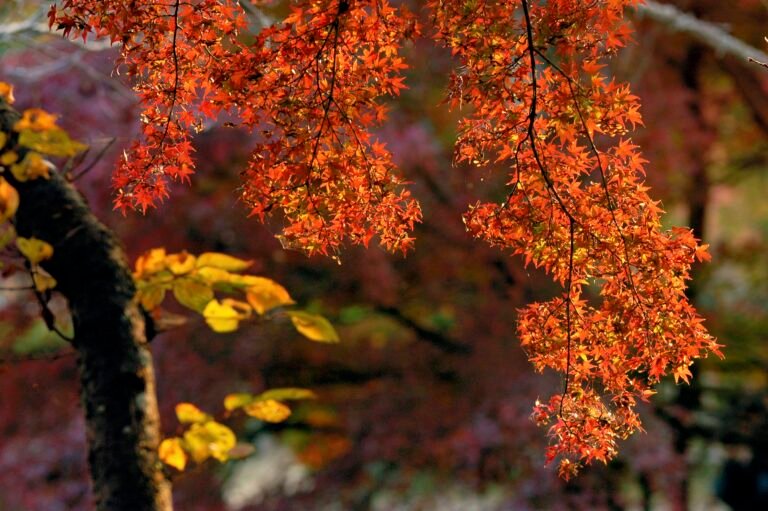
The fall colors here typically peak earlier than lower elevations, so we’re catching them at the right window.
Accommodation: Fuji View Hotel, or similar
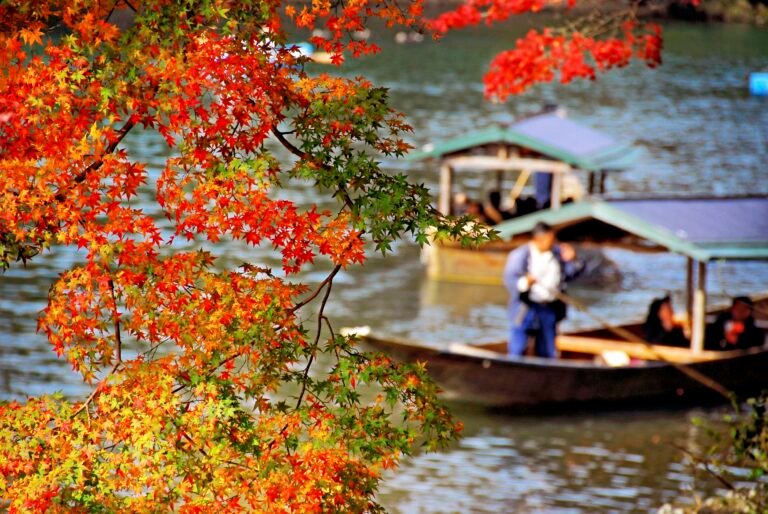
Day 3 | Fuji Five Lakes | B, D
Full day working Mt. Fuji from multiple angles.
We start early – pre-dawn light on the mountain is worth the wake-up call. From there we’ll move between different lakes and vantage points depending on where compositions are strongest and where visibility is clearest.
Each lake offers different foreground elements and perspectives on Fuji, some give you wide open views across calm water, others provide shoreline detail with trees and autumn colors framing the mountain.
We’ll work reflections when the water is still, shoot from elevated viewpoints for layered compositions, and adjust throughout the day as light shifts. Flexible schedule means we can return to spots when conditions improve or explore new locations as opportunities develop.
Accommodation: Fuji View Hotel, or similar
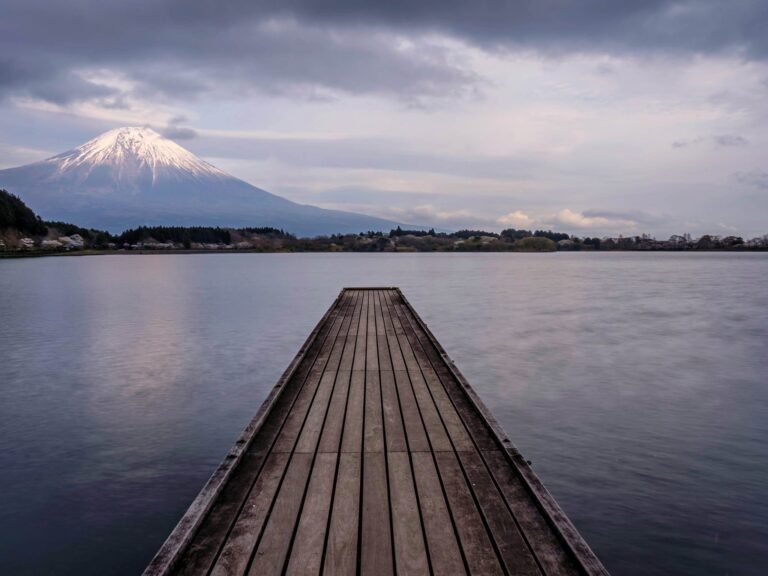
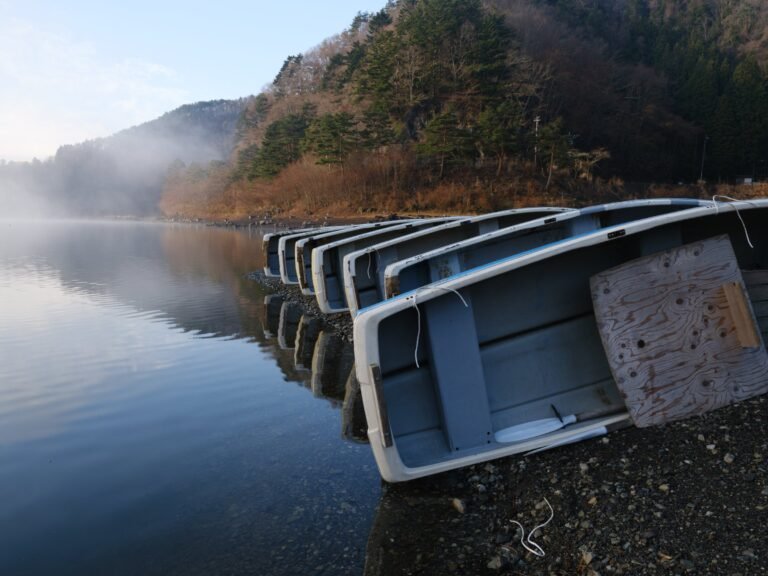
Day 4 | Fuji Lakes to Miyajima | B, D
One more morning with Mt. Fuji, either revisiting yesterday’s best spots or trying a location we didn’t get to. Then we pack up and head south by chartered bus and bullet train.
The travel day gives us time to review images and talk through what worked. We arrive at Miyajima Island by ferry in the afternoon. First impressions matter here, the torii gate standing in the water, forested mountains behind it, traditional buildings along the waterfront.
We’ll photograph the island at golden hour and into evening as lanterns light up the streets and the shrine glows against the water.
Accommodation: Hotel Miyajima Villa or similar.
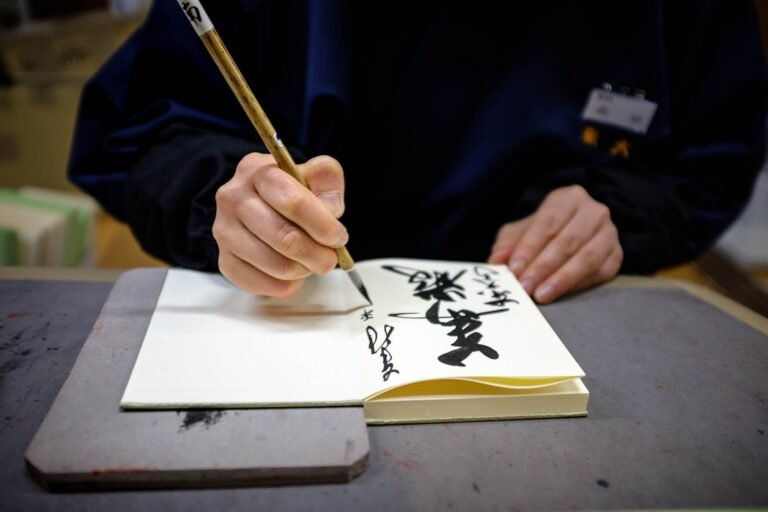
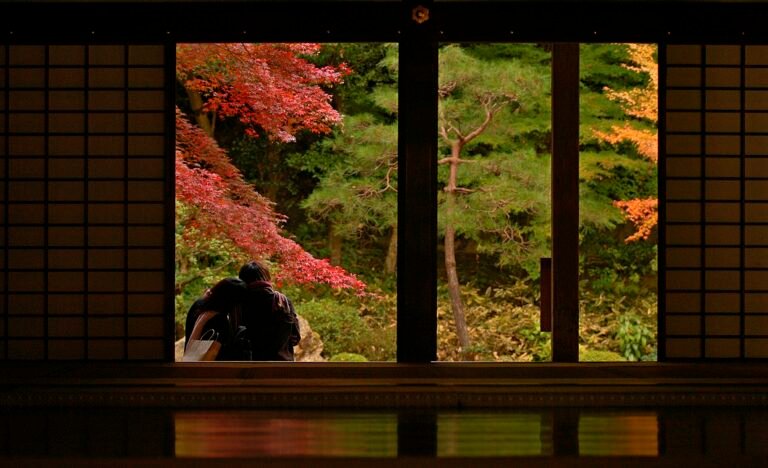
Day 5 | Miyajima | B, D
Full day to dig into Miyajima.
The floating torii gate at Itsukushima Shrine is the main draw, and we’ll work it at different tides, partially submerged at high tide, standing on exposed sand at low tide. Both look completely different.
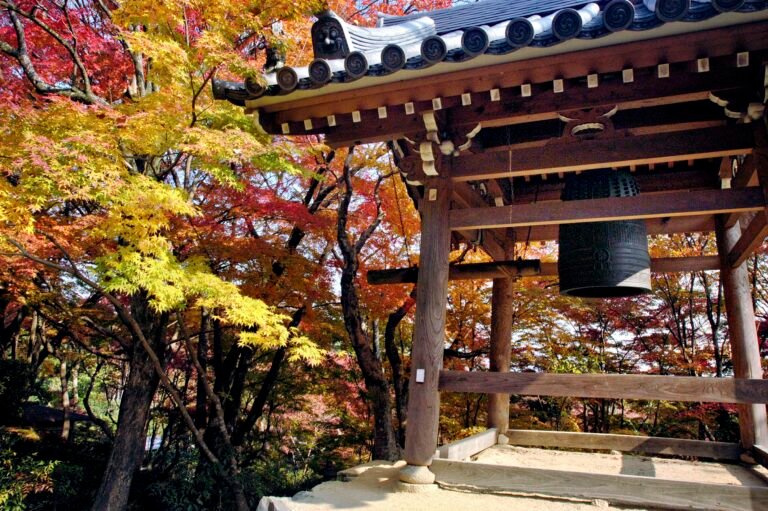
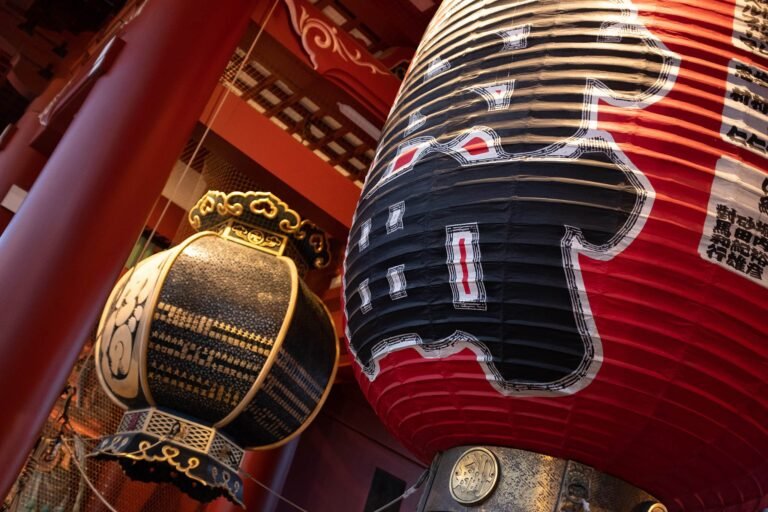
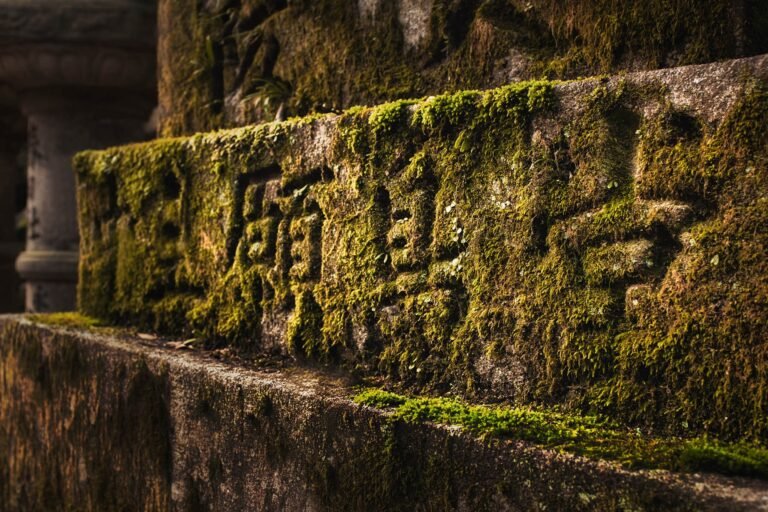
Beyond that, the island has forest trails that lead to quieter shrines, stone pathways through maple trees, and deer that show up everywhere and add life to your compositions. The pace here is slower than Tokyo or Kyoto, which gives us time to work details, shrine architecture, lantern patterns, textures in old wood and stone.
Late afternoon we can head up to higher viewpoints for wider shots of the island and the Seto Inland Sea. Evening brings another chance at the torii gate with different light.
Accommodation: Hotel Miyajima Villa or similar.
Day 6 | Myajima to Kyoto | B
Morning on Miyajima before we depart – maybe one more shot at the torii gate or time to explore parts of the island we missed.
Then we travel by bus and bullet train to Kyoto. This is when the trip shifts. Kyoto has more density, more variety, more options every direction you turn. Once we’re checked in, we’ll head out based on current fall color reports. Could be the Philosopher’s Path with its canal-side maples. Could be Gion district for traditional streets and teahouse architecture. Could be temple gardens in the eastern hills.
We’ll also work evening scenes, Kyoto at night is all about narrow streets, paper lanterns, silhouettes of people in kimono against old wooden buildings..
Accommodation: Hotel OMO5 Kyoto or similar.
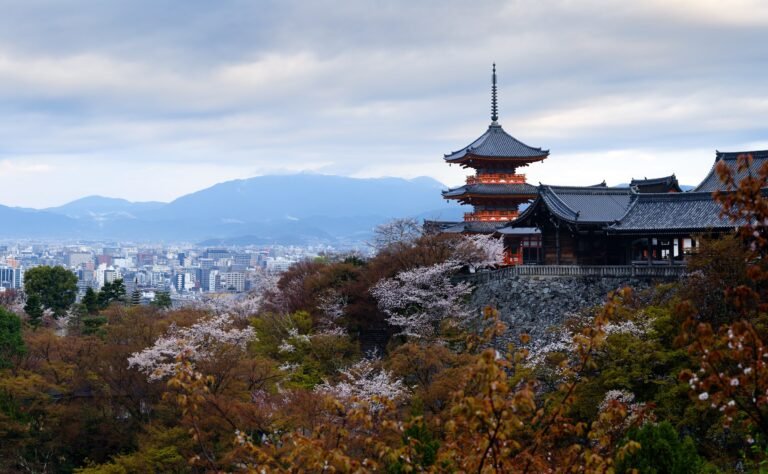
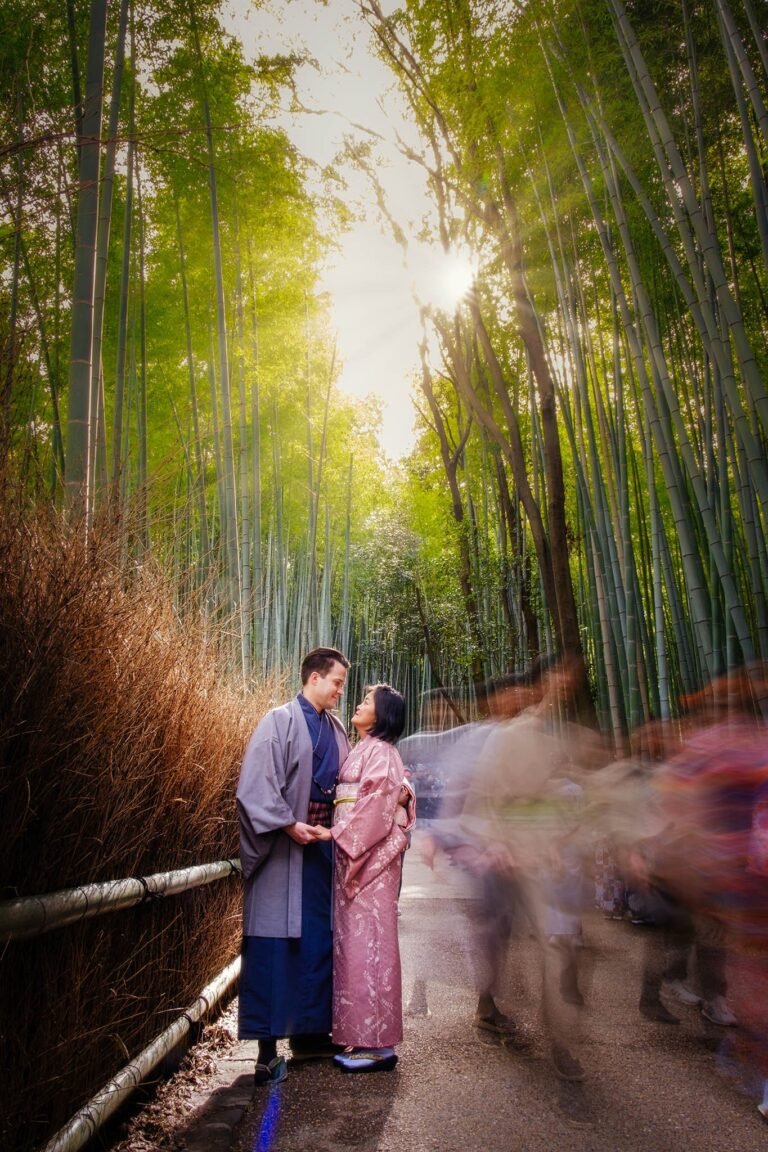
Day 7 | Kyoto | B
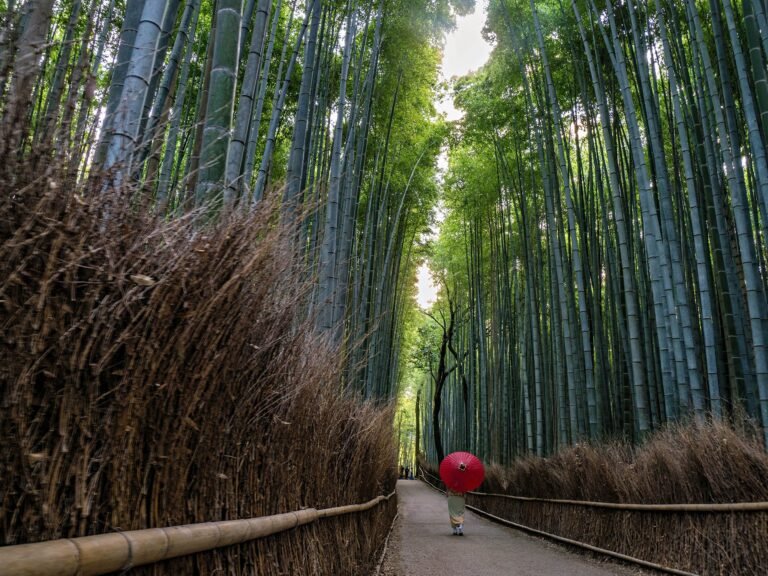
Early start while Kyoto is still quiet. Depending on where fall colors are strongest, we might focus on Arashiyama’s bamboo forest and temples, or the eastern district with spots like Eikando Temple and Nanzenji.
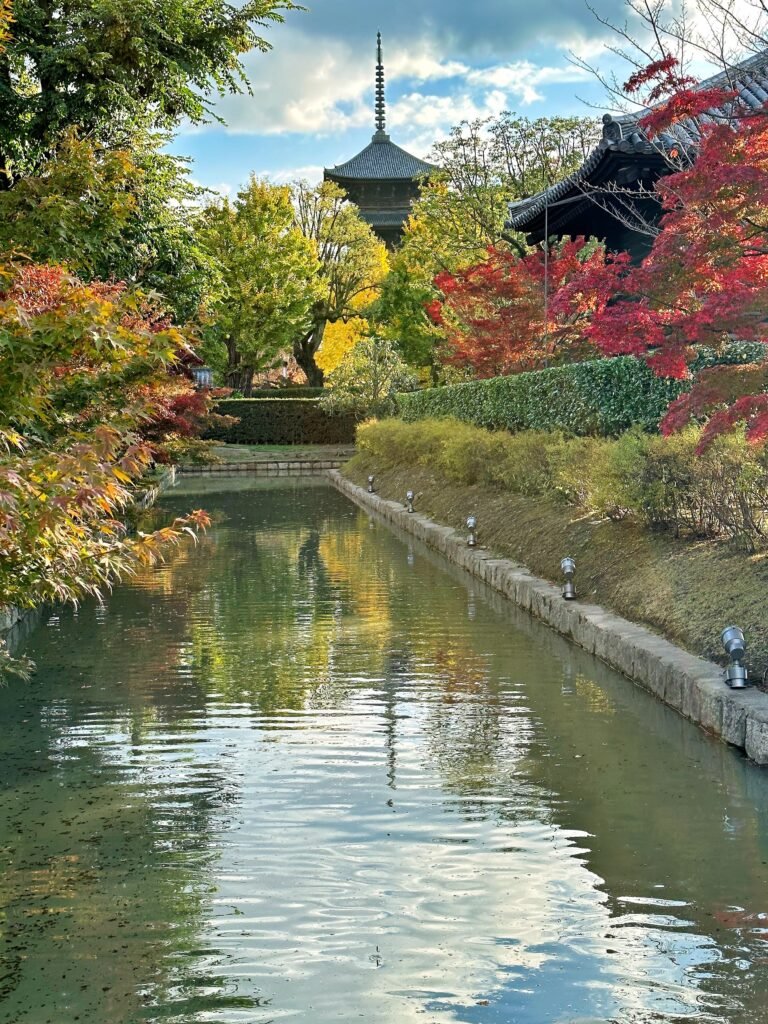
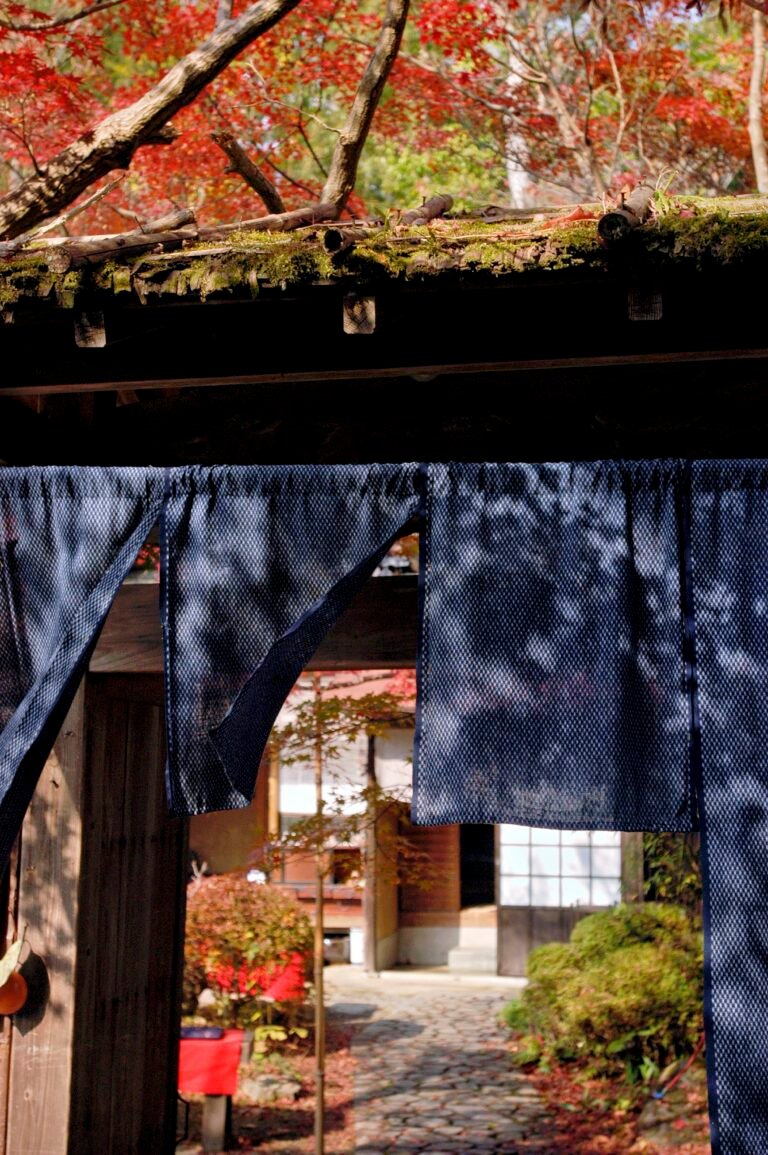
These locations get crowded by mid-morning, so we go early and own the light. The maple trees in Kyoto temple gardens aren’t subtle – they go deep crimson and create these intense pockets of color against stone pathways and traditional architecture.
We’ll mix the famous spots everyone knows with smaller temples that don’t show up in guidebooks but photograph just as well. Afternoon might mean the Golden Pavilion or working Fushimi Inari’s torii gates.
Evening back in Gion or around Pontocho alley for street scenes and nightlife.
Accommodation: Hotel OMO5 Kyoto or similar.
Day 8 | Kyoto | B
Today we can shift focus based on what the group wants more of.
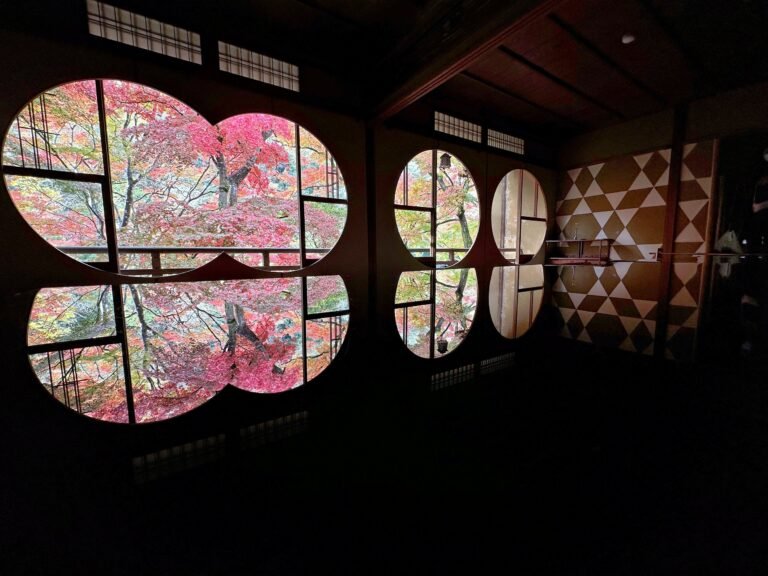
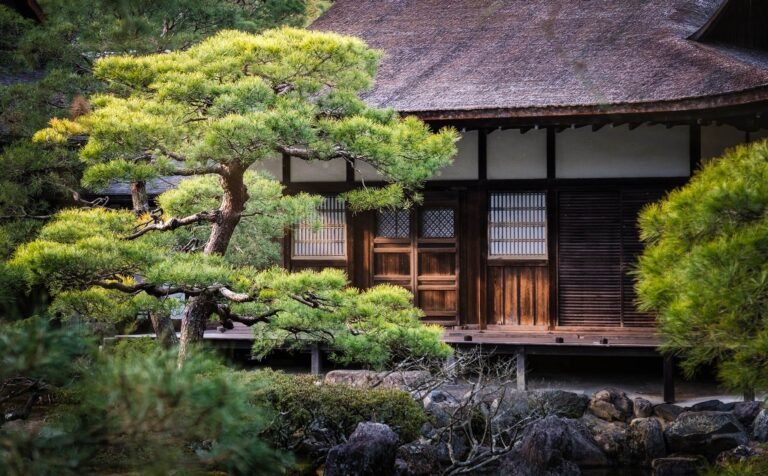
If you’re into landscape-style work, places like Tofukuji Temple and its ravine full of maples deliver that. If you’re more interested in architectural photography, Kyoto has centuries-old temple structures, gates, and gardens that frame differently than anything in the West.
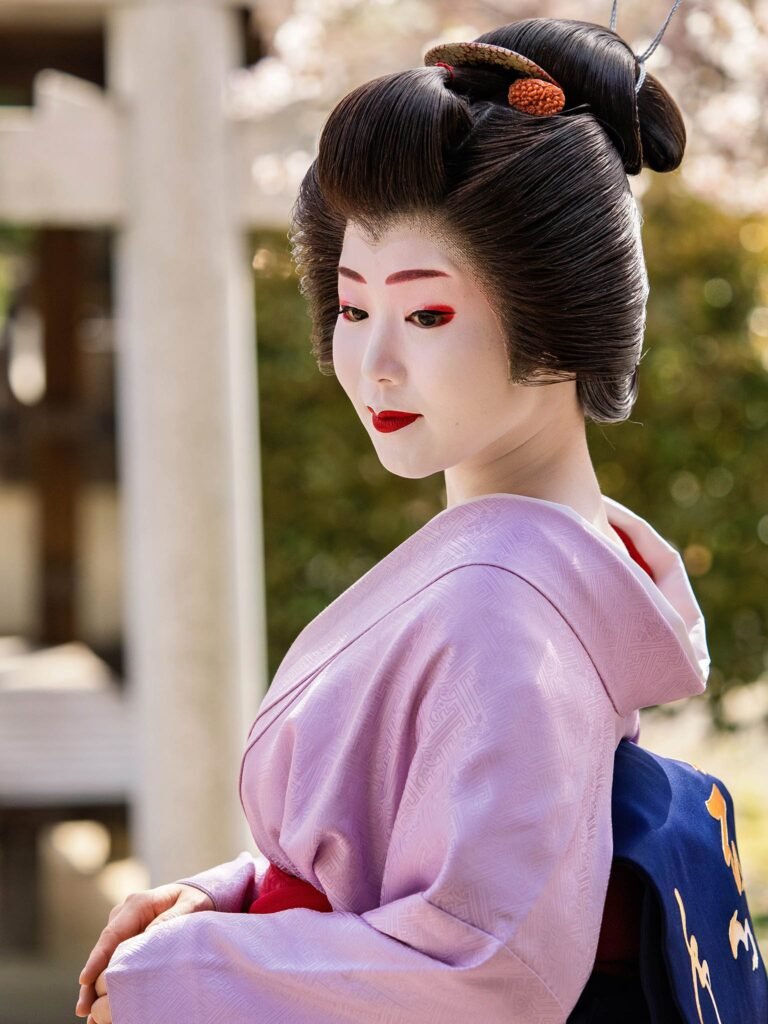
Street photographers can work the traditional districts where you’ll find geiko and maiko heading to appointments in the evening. Kyoto also handles weather differently – misty mornings actually work better here than clear skies for certain compositions.
We’ve got the time built in to adjust, return to spots, or push into new areas depending on what’s clicking for everyone.
Accommodation: Hotel OMO5 Kyoto or similar.
Day 9 | Kyoto | B
Final full day in Kyoto means we tie up loose ends and chase the best remaining opportunities.
If a particular location wasn’t right two days ago, we can go back when light or conditions improve. If there’s a temple or district someone in the group specifically wants to photograph, we work it in. This is also when we might push further out – places like Ohara or Kurama are less visited but offer mountain temple settings with different fall color timing. Or we double down on what’s been working best.
Four days in Kyoto sounds like a lot until you’re here, and then you realize how much ground there is to cover.
Accommodation: Hotel OMO5 Kyoto or similar.
Day 10 | Kyoto to Tokyo | B
Morning in Kyoto, then bullet train back to Tokyo.
By late November, Tokyo’s urban parks are hitting peak fall color – Shinjuku Gyoen, Rikugien Garden, Yoyogi Park – and they photograph completely differently than what we’ve been shooting. You get modern skyscrapers in the background, city crowds moving through autumn leaves, urban context that changes the whole feel.
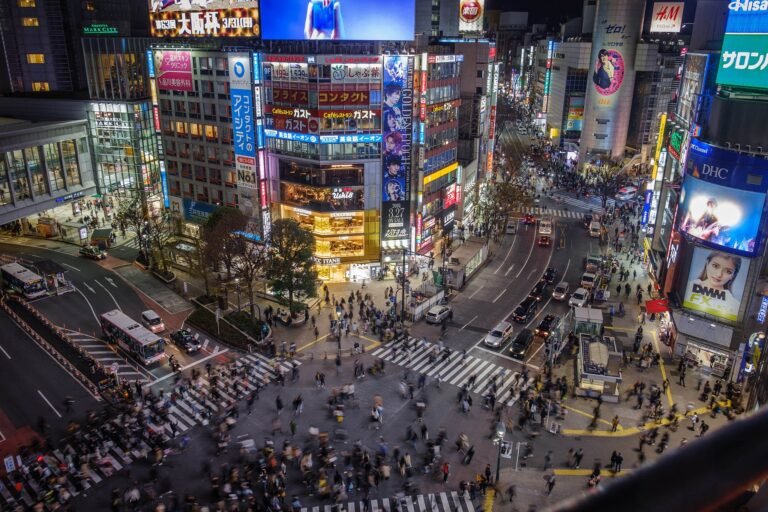
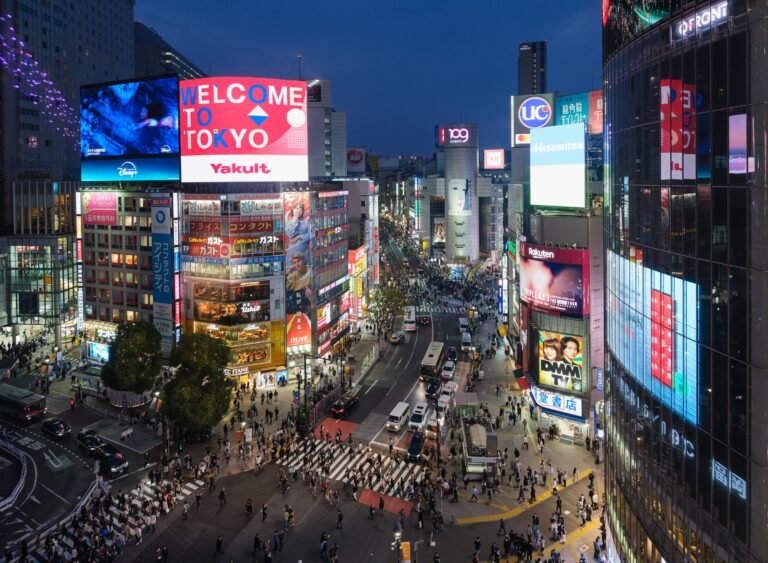
We’ll also work Tokyo’s street photography opportunities – Shibuya crossing, Shinjuku’s neon corridors, quieter neighborhoods like Yanaka that still have older architecture. Afternoon is flexible for photography or for anyone who wants to shop or just decompress before the final push.
Accommodation: Hotel Metropolitan Ikekuboro or similar.
Day 11 | Tokyo | B, D
Last full day, so we make it count. Morning could be Shinjuku Gyoen or another park for fall colors in an urban setting – these gardens mix Japanese and Western landscaping and give you clean compositions without traveling outside the city.
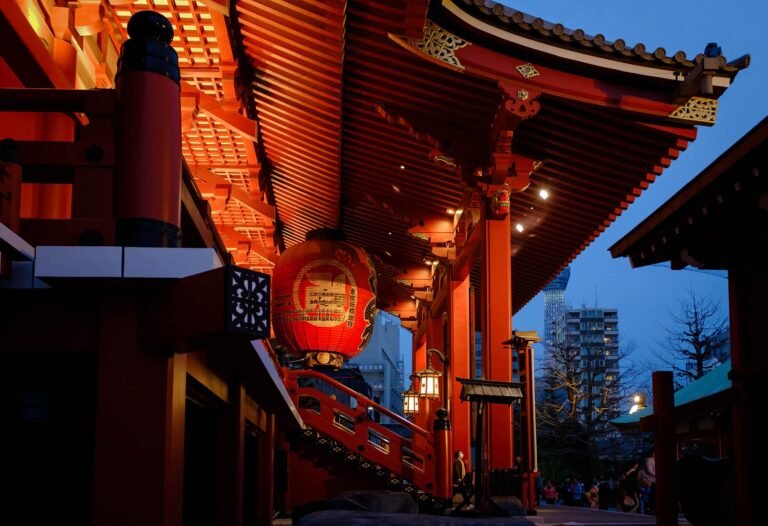
Then we shift to Tokyo’s street energy – Harajuku, Akihabara, wherever the group wants to explore. Tokyo also offers rooftop viewpoints for cityscape work, and we’ll plan for one final evening session capturing the city lights, whether that’s from a high vantage point or down in the streets working neon reflections and crowds.
Farewell dinner pulls everyone together to recap the trip.
Accommodation: Hotel Metropolitan Ikekuboro or similar.
Day 12 | Tokyo | B
The price of the tour includes:
- 11 nights of accommodations on a twin/double sharing basis, as listed.
- Meals, 11 breakfasts, and 6 dinners. (Includes non-alcoholic beverages and tips).
- Photo tour leader. If there are more than 9 guests, two photo tour leaders.
- Model fees and camera fees in each city.
- English-speaking photographer Japan expert.
- Green Car bullet train tickets and chartered vans/buses for comfortable transportation.
- Excursions and activities as listed above.
- All monuments entrance fees.
- Daily bottled water
- Government tax and service charge.
The price does not include:
- Your flight or other travel to Tokyo.
- Tips for your guide and driver.
- Meals and snacks that were not listed above.
- Alcoholic beverages.
- Personal travel and medical insurance.
- Medical expenses.
- Personal spending (souvenirs, spa treatments, laundry, etc.)
- Optional activities: anything outside what's listed above.
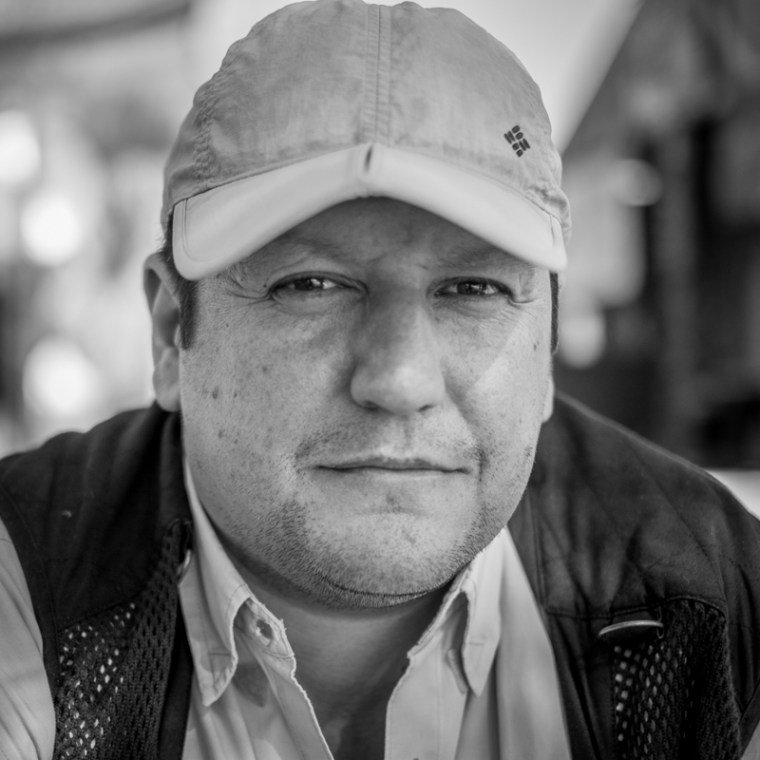
Photography is more than a passion for Daniel; it’s a golden opportunity to document the world and share unique cultures with people across the globe. Embarking upon his creative path at the age of 17, he has since shot assignments, commercial work, and lifestyle campaigns.
However, his primary focus is on travel and landscape photography. Daniel led photo tours in Morocco, India, Peru, Cuba, and Vietnam during the last few years.
Daniel is fluent in both Spanish and English.

Darlene Hildebrandt is a photographer with over 33 years of experience. She’s photographed everything from food, editorial, products, portraits, weddings, and events. Nowadays, she prefers doing street and travel photography. However, she still considers herself a people photographer first and foremost, which is where her portrait lighting skills and experience come in handy.
She’s been sharing her skills and experiences with beginner and intermediate photographers since 2011 through articles on her website, Digital Photo Mentor, video tutorials on her YouTube channel, and photography workshops (in-person and virtual classes or webinars). She is also a skilled trainer for Lightroom Classic and Luminar Neo.
Posted on Google
 Kim Rowe
Trustindex verifies that the original source of the review is Google.
The photo tour was a great way to see Cuba. Things were all arranged and prepared for us and there was also lots of time to explore. If you are interested in fully engaging in your photography and traveling, this is a great way to do it.Posted on Google Vivian NieuwsmaWhat a fabulous trip! It went way beyond the familiar photos of old cars, taking us to different regions of Cuba. I would never have had the opportunity to see ballet or salsa dancers in unique settings if it were not for this tour group. And that was with three professional photographers available to answer any questions! Truly a hard-to-beat opportunity.Posted on Google
 Mark GrolmanI very much enjoyed the Cuba tour. It was as advertised - a lot of fun, educational and enjoyable. Thank you very much to Dan and Darlene for taking such good care of everyone. The local guide, Carlos and local photographer, Adrian were also excellent. I learned a lot and made unforgettable memories!Posted on Google
 Carol HarrisMy husband and I just got back from the Cuba tour, and it was great! Darlene and Daniel organized a great tour, with local guides that explained the places we were going to. I learned a lot more than I though I was going to, and came away with a great appreciation for what the Cuban people have to deal with. We were with a good group, and had a much better time than I expected. Darlene and Daniel were a lot of fun, and good teachers. I would recommend this trip.Posted on Google
 warren andersonI had wanted to travel to Bhutan for many years – so for me this was a trip of a life time. I can only thank Daniel for enabling that for me. I had read many books on Bhutan, researched it online and watched any films I could get my hands on over the years. And a lot of the key sites and experiences I would have wanted to cover were indeed in the DAK itinerary. My interest in the people, the country, the culture all helped me get a lot out of the experiences we had. They brought to life so many aspects of Bhutan that I had read about. The local guides seemed to appreciate our interest in their country and culture which led them to enable a number of unique experiences for us. People ask me ‘was it everything I expected’ and I have to answer ‘hell yea’. Being part of a group led by two confident and competent photographers certainly had its advantages. Along with the local guides Sangay and Norbu and driver Yungku, Daniel and George helped open doors to experiences that would not have been possible for someone like me traveling alone or in a small group. Their confidence to approach people and create photo opportunities was a real benefit. I appreciated Daniel’s help and assistance on the tour with the camera and various settings etc., esp the night shots which I was not very confident about. And Daniel always made himself available to answer questions. When visiting a specific site, Daniel would take the time to talk about how to approach the shoot, and how best to maximise the situation. Overall I had the time of my life. I was so grateful for the opportunity and as I reflect on the experience I am well satisfied that I could see, photograph and experience many aspects of the Bhutan I had in my head. Thank you Daniel for that opportunity.Posted on Google
 Anne AmbroAs a novice photographer, I had the chance to travel with Daniel and George to Morocco. What an amazing experience having two mentors! Daniel's forte is landscape and award winning portraits and willingly shares his insights. Daniel was very patient in explaining how to setup night shoots on rooftops, getting me to understand the camera settings involved...wow, very patient and the results were tiers above where i started. George has a resume that extends from amazing landscapes to photographing flying planes while he is hanging out of a plane. So I became George's shadow, following him through the markets late in the day, asking questions. He can find the right corner, right alley, the right light..working with him, you will learn how to see things with from new perspectives. Thanks to George, I got comfortable doing street shots and portraits. Ask for help, they will offer up their ideas and work with you. But where Daniel and George are at the best are doing blue hour setups -- sunsets or sunrise....they know the spot to be! They know the right hillside, field, tower...but mostly the best street corners to capture a multitude of views. A corner location and a coffee, you are now set to try this style. Best mentors and fun people to travel with! Yes, we dressed them up in local attire, even got to meet goats. Most important, they are good sports to have on a tour.Posted on Google
 Kim KramerPhoto Tours and Expeditions is an outstanding tour company. I just returned from a tour to Peru (highlands) with PT&E and every aspect of the trip was excellent, but I would like to highlight a few details. First, PT&E's relationship with local guides excellent. Flavio, our primary local guide was not only incredibly knowledgeable, but enthusiastic, helpful, patient with participants navigating rough/uneven terrain and on top off all that, a terrific photographer!! Beatrice, our guide in Arequipa, brought that city to life for us. All credit to PT&E for sourcing such wonderful guides. The lodging and meals selected by PT&E were fabulous. In Arequipa we stayed in a lovely hotel right on the main square. as you can see from the main photo, we were able to capture outstanding 'blue hour' shots of the cathedral. All the hotels chosen were clean comfortable, and had VERY helpful staff. I'm of the opinion that every tour needs to have one fantasy (the kind where you state that you are never leaving) property, and our stay in Urubamba definitely checked that box! We dined at many MANY excellent restaurants; my waist band is proof of that ;-) As I mentioned at the top, this was a highlands tour. We spent a small amount of time in Lima, and then time a few days in Arequipa (really to start to adjust to the altitude, but there was plenty to see!) and then moved on to Cusco for more altitude adjustment, and rural life photography. Of course the highlight of the trip was vising Mach Picchu. I would take this exact trip again, but I've learned so much about places not on the itinerary, that I'm really hoping that PT&E will create a 'Peru-Part 2' trip! MANY THANKS to Daniel and George for sharing their expertise, and love of travel and photography. I anticipate many more trips with them.Posted on Google
 John TerryJust returned from Photo Tours and Expedition’s trip to Peru. I am an 81-year-old photographer who has travelled and photographed on six of the World’s seven continents with many of the world’s leading photo tour companies. This month’s Peru trip was by far the best. A trip with Daniel, George and, in Peru, Flavio, doesn’t just visit the high spots, but includes the back streets, markets and less visited historic sites others might miss. It’s not unusual to pull off the highway and tromp through a field to photograph a farmer plowing with bulls or harvesting carrots among the corn stocks in the soggy ground. You photograph “real life”, but there’s often a model shoot in another perfect location as well. These guys are all about “blue hour” and “spectacular sunrises”, or you can sleep in, if you’re "that" kind of photographer. I have traveled and photographed over the past twenty-plus years with some of the World’s leading outdoor and wildlife photo tour companies. They’re all good, but honestly, these guys are better. A word about my age. I’m hard of hearing, mildly unstable in my balance and footing, and short of breath especially at high elevations. There was ALWAYS an arm to lean on and the necessary push or pull when needed. No one else has ever treated me so well. And at the end of each day, there’s a great meal and a high-end hotel room. Just sayin', if you’re serious, these are your guys!
FAQs
How do I get to Japan?
Best place to fly to is Tokyo Haneda Airport, the starting point for our tour.
Where do we meet?
We meet at the hotel in Tokyo. We'll gather in the evening for a welcome dinner where we'll walk through the trip flow, discuss what everyone wants to focus on photographically, and get to know each other.
After dinner, those who aren't too jet-lagged can explore the neighborhood around Ikebukuro -neon-lit streets, evening crowds, and a first taste of Tokyo's night energy make for solid urban photography.
Accommodation: Hotel Metropolitan Ikekuboro or similar.
Why should I join this Japan tour?
This tour is designed for photographers of all levels — amateur and professional alike — who want to experience Japan during its most photogenic season. If you're drawn to beautiful landscapes and passionate about photography, you'll feel right at home.
Sakura season transforms Japan into something almost unreal: sweeping scenes of pink and white that shift day by day as the blossoms open and fall. Our tour leaders are professional photographers themselves, so beyond placing you in the best locations at the right time, they'll work with you on the techniques that make the difference between a good shot and a great one. Whether you're building a portfolio, looking to sharpen your skills, or simply want to be in Japan when it's at its most beautiful — this is the trip for it.
Is Japan safe?
Japan is widely considered one of the safest countries in the world. Crime rates are low, public services are excellent, and the culture of politeness and respect for others extends to how visitors are treated. Getting around is straightforward — the public transportation system is among the most reliable anywhere — and most travelers move through the country with very little concern.
Safety is something we take seriously on all our tours. Our leaders know the areas we visit well and are always on hand if anything comes up. We'll also walk you through local customs and practices before the trip, so you arrive informed and confident.
As with any international travel, common-sense precautions apply — keep an eye on your belongings, stay aware of your surroundings, and check for any travel advisories from your home country before departure. Beyond that, Japan tends to take care of its visitors. Most people come back surprised by just how easy and relaxed the experience was.
What fitness level is required?
This tour is rated Relaxed. Most photo locations are within a mile or so of where we park, though you should be comfortable standing and walking for extended periods throughout the day.
Japan's cities and historic sites occasionally throw up some uneven terrain — cobblestones, hillside streets, stairs without handrails, and trains or coaches with a big step up. Elevators aren't always available, and some city centers require a longer walk in where vehicles can't go. Nothing strenuous, but worth knowing before you pack your shoes.
What are the health requirements?
There are no specific vaccination requirements for travel to Japan, but we recommend getting up to date with routine vaccinations before you travel. A quick appointment with your doctor or a travel medicine specialist a few weeks out is a good idea, especially if you have any existing health conditions.
On COVID-19, there are currently no testing, vaccination, or quarantine requirements to enter Japan. That said, requirements can change, so check for updates from both Japan and your home country as your travel date approaches.
If you take regular medication, bring enough to cover the full trip plus a few extra days, along with a copy of your prescription and a note from your doctor explaining your condition and treatment. This is particularly useful if you're carrying anything through customs that might need clarification.
As noted in the fitness section, the tour involves a fair amount of walking and time on your feet, so it's worth making sure you're feeling good physically before departure.
Finally, if you have any dietary restrictions or allergies, let us know in advance. Japan's food culture is wonderful and varied, and a little forward planning means we can make sure it stays that way for everyone on the tour.
What should I pack for Japan?
Packing for your Sakura Season photo tour in Japan should be a balance of preparedness and simplicity. Here's a suggested packing list to help you get started:
1. Photography Equipment:
- Camera(s) with extra batteries and memory cards
- Lenses suitable for landscape and street photography
- Tripod for stability in various shooting conditions
- Camera bag or backpack
- Lens cleaning kit
- Portable charger or power bank
2. Clothing:
- Lightweight, comfortable clothing suitable for layering
- A waterproof jacket or raincoat
- Comfortable walking shoes, as there will be a fair amount of walking
- A hat, sunglasses, and sunscreen for sun protection
- A light scarf or shawl for more relaxed evenings
3. Electronics:
- Smartphone with a local SIM card or international roaming plan
- Travel adapters and converters for Japan's electrical outlets
- Headphones or earbuds
4. Miscellaneous:
- A small daypack for daily outings
- Reusable water bottle
- Japanese phrasebook or translation app for essential communication
- Snacks or dietary-specific food items that might not be readily available
5. Health and Safety:
- Hand sanitizer and face masks (depending on the current health guidelines)
- Basic over-the-counter medications for common ailments like headaches or allergies
Remember, while it's essential to be prepared, it's also crucial to pack as lightly as possible to make travel between locations easier. Check the weather forecast closer to your departure date for any last-minute adjustments to your packing list.
Do I need a passport or visa to enter Japan?
A valid passport is required for all international travel to Japan, and it must remain valid for the full duration of your stay. Many countries also require at least six months of validity beyond your entry date, so check your passport well ahead of departure and renew early if needed.
On visas, most travelers from the United States, Canada, Australia, and the majority of European countries can enter Japan without a pre-arranged visa for tourist stays of up to 90 days. When you arrive, you'll receive a landing permission stamp in your passport confirming how long you're permitted to stay — make sure your departure falls within that window.
Visa exemptions vary by nationality, so it's worth confirming the specific requirements for your country before you travel. The Japanese embassy or consulate in your home country is the best source for accurate, up-to-date entry information.
Do I need travel insurance?
It is required that all of our guests have their travel insurance, which should include evacuation for medical reasons.
What about money in Japan?
Japan runs largely on cash. While credit card acceptance has grown in major cities and tourist areas, many smaller shops, temples, shrines, and rural spots still prefer — or only accept — yen. It's worth arriving with some local currency already in your pocket, though you can also exchange money at airports, banks, and authorized exchange counters once you land.
ATMs are easy to find at convenience stores, airports, and shopping areas, but not all accept foreign cards. Seven-Eleven and Japan Post Bank ATMs are the most reliably foreign-card friendly — look for the Visa, Mastercard, Cirrus, or Plus logos. Major credit cards are accepted at most hotels, department stores, and larger restaurants, so a combination of card and cash covers most situations.
As a tourist, you're entitled to tax-free shopping at many stores — look for the "Tax-Free" sign and keep your passport handy, as you'll need it to claim the exemption.
One thing that surprises many first-time visitors: tipping is not practiced in Japan and can actually cause embarrassment. Excellent service is simply the standard — no gratuity expected or required.
Before you leave home, let your bank know you're traveling. It takes two minutes and saves a lot of potential hassle with blocked cards mid-trip.
What are the hotels like on this trip?
Accommodation on the autumn tour is a mix of 4-star hotels and traditional ryokans. Most nights you'll have full hotel amenities — comfortable, well-appointed rooms, on-site dining, fitness facilities, and staff accustomed to international guests. Japanese 4-star hotels set a high bar: service and cleanliness standards are excellent, and the breakfast buffets alone are worth getting up for.
Where the itinerary takes us into more scenic or rural areas, we book ryokans — traditional Japanese inns that are an experience in their own right. Expect tatami floors, futon beds, sliding paper doors, and the kind of quietly attentive service that's hard to find anywhere else. Many ryokans have onsen, communal hot spring baths that are as much a ritual as they are a soak. Dinners are typically kaiseki — elegant multi-course meals built around seasonal ingredients. If you've never stayed in a ryokan, it tends to be one of the highlights of any Japan trip.
A note on remote locations: occasionally the best photographic spots don't come with the best hotel options. Where that's the case, we prioritize convenience and will always be transparent about it.
Preliminary hotels for each location are listed below. Final confirmations are sent around 45 days before departure — if anything changes, we'll replace it with something of the same category.
- Tokyo (Days 1, 10–11) — Hotel Metropolitan Tokyo Ikebukuro, or similar
- Fuji Five Lakes (Days 2–3) — Fuji View Hotel, or similar
- Miyajima (Days 4–5) — Hotel Miyajima Villa, or similar
- Kyoto (Days 6–9) — OMO5 Kyoto, or similar
What is the food like in Japan?
The food in Japan is an integral part of the cultural experience and is renowned worldwide for its quality, variety, and presentation. Here's what you can expect during your Sakura Season photo tour:
1. Diversity of Cuisine: Japanese cuisine is incredibly diverse, ranging from traditional dishes like sushi, sashimi, and tempura to regional specialties and street food. Each region in Japan has its unique flavors and specialties.
2. Quality and Freshness: Japanese cuisine is known for its emphasis on fresh, high-quality ingredients. Seafood is particularly prominent and is often served at its freshest. The quality of ingredients extends to all aspects of Japanese cooking, from street food to high-end dining.
3. Seasonal and Local Ingredients: Japanese chefs take great pride in using seasonal and locally sourced ingredients. During Sakura season, you might find unique dishes and sweets that incorporate cherry blossoms or are inspired by the season.
4. Culinary Experiences: Dining in Japan can range from quick and casual noodle shops and conveyor belt sushi to elegant kaiseki (traditional multi-course meal) dining experiences. There's also a strong culture of themed cafes and izakayas (Japanese-style pubs) for more informal dining.
5. Special Diets: While traditional Japanese cuisine relies heavily on fish and seafood, there are options for those with dietary restrictions. Vegetarian and vegan options are increasingly available, especially in larger cities and tourist areas. However, it's advisable to research or ask about ingredients, as vegetarian dishes may still contain fish-based stock.
6. Snacks and Sweets: Take advantage of Japanese snacks and sweets, including mochi, matcha-flavored treats, and seasonal sakura-themed desserts.
7. Beverages: Try a variety of Japanese teas, sake (rice wine), and other local beverages. Each region may have its special brew or blend.
Food is a highlight of any trip to Japan, and the Sakura season adds an extraordinary flair to the culinary landscape. Whether you're trying street food or enjoying a fine dining experience, the flavors of Japan are sure to be a memorable part of your journey.
Is there cell and Internet service in Japan?
Yes, Japan offers travelers excellent cell and internet service, ensuring you stay connected throughout your trip. Here's what you need to know:
1. Mobile Network Coverage: Japan has a robust and extensive mobile network, providing excellent coverage in cities, towns, and many rural areas. Major providers include NTT Docomo, SoftBank, and au by KDDI.
2. SIM Cards for Travelers: Prepaid SIM cards are convenient for short-term visitors. These SIM cards offer data services and, in some cases, local calling. They can be purchased at airports, electronics stores, and some convenience stores. Ensure your phone is unlocked and compatible with Japan's networks before buying a SIM card.
3. Pocket Wi-Fi Rentals: Pocket Wi-Fi devices are popular among travelers. These portable devices provide high-speed internet access and can connect multiple devices simultaneously. They are available for rent at airports and through online services. You can pick them up at the airport upon arrival and drop them off before departure.
4. Wi-Fi Hotspots: Japan offers an abundance of free Wi-Fi hotspots in urban areas, including cafes, restaurants, train stations, and convenience stores. Look for signs indicating free Wi-Fi. Some require registration, so having a local phone number or email address can be helpful.
5. Internet Speed and Reliability: Japan is known for its high-speed internet so you can expect fast and reliable service in most areas.
6. International Roaming: Check international roaming options with your home mobile service provider. While convenient, roaming can be expensive, so understand the rates and terms.
Remember to check the compatibility of your devices with Japanese networks before your trip. Renting a pocket Wi-Fi or purchasing a local SIM card is generally the most cost-effective and convenient way to ensure continuous internet access during your stay in Japan.
What is the electricity voltage in Japan and do I need a plug converter?
In Japan, the standard voltage is 100 volts, which is different from many other countries. This is one of the lowest voltages in the world and can vary slightly depending on the region (Tokyo generally uses 100V with a frequency of 50Hz, while Osaka and other areas use 60Hz). Due to this unique electrical standard, there are a few things to keep in mind:
1. Plug Type: Japan uses Type A and Type B electrical plugs. Type A has two flat parallel pins, and Type B has two flat parallel pins and a grounding pin. You will need a plug adapter if your devices use different plug types.
2. Voltage Compatibility: Check the voltage specifications of your electronic devices. Modern electronics like laptops, cameras, smartphones, and chargers are designed to handle a range of voltages (usually 100-240V) and can be used in Japan without a problem. However, if your device is not compatible with 100V, you will need a voltage converter.
3. Availability of Adapters and Converters: Plug adapters and voltage converters are widely available at airports, electronic stores, and sometimes even at convenience stores in Japan. However, purchasing them before you travel might be more convenient and cost-effective.
In summary, while most modern electronic devices are equipped to handle Japan's voltage, it's essential to check your devices beforehand and bring the necessary adapters or converters as needed.
What are the terms, refunds and cancellation policies of this Japan tour?
1) Booking procedure:
All prices for the tours are quoted in US Dollars.
We require a deposit to reserve a place on the selected photo tour. The deposit is due at the time of booking and can be paid online via credit card; ACH and Debit Cards are also accepted.
Other than the deposit, you must complete the registration form for you and your guests, if any.
If you are traveling solo and want to share a room, we will try our best to find you a match. However, if, for any reason, we don't find a suitable match, the single supplement fee will apply.
We will email you shortly after confirming your booking. Please do not book your flights at this time unless otherwise indicated by us. We will email you once the minimum number of guests to run the tour has been reached.
2) Balance of Payments:
The final payment for the trip is 90 days before departure. Such payment shall be made via credit card or wire transfer. Failure to meet the payment schedule will result in cancellation and forfeit of the deposit.
3) Cancellations and Refunds:
If DAK Photography Inc. must cancel the trip for any reason, 100% of paid deposits will be fully refunded. We reserve the right to cancel any trip/tour/group due to insufficient registration at any time. In the event of such cancellation, those with reservations shall be notified as soon as possible, and a full refund of the trip payment will be given.
Please note that deposits are non-refundable. However, they may be applied as a credit toward a future trip with us, provided the credit is used within 12 months of the original trip's start date.
If a guest needs to cancel, we must receive written notification. Email is accepted.
The following cancellation fees apply:
120 days or more before departure: no charge.
61 days to 119 days before departure: 50% of the tour fee.
60 days or less before departure: 100% of the tour fee.
In the event that you have to cancel, we will do our best to fill your spot. If we do so, we will refund 100% of the tour fee minus an administrative fee of $250.
Refunds will not be made for any other costs you may have incurred as a result of your booking.
Travel and medical insurance, including emergency evacuation coverage, are mandatory for all participants. To safeguard your investment, we strongly recommend purchasing this coverage as soon as your trip is confirmed. We also encourage you to select an insurance policy that covers non-refundable deposits and other pre-trip expenses in case of unforeseen cancellations.
All refunds will be processed within 30 days of receiving written confirmation of your cancellation.
How do I book and pay for this tour?
You can book and pay online securely via our booking service on We Travel. Please click the button above to be taken to the booking page.