Ladakh Photo Tour – Sept 2027

Ladakh, India

Sep 7th – 20th, 2027

Full Price: US $6695
Deposit: US $995

Your booking is handled through Photo Tours & Expeditions, the company that now runs Photo Tours Worldwide. Same small operation, same personal attention — you’ll stay with us every step of the way. Want to learn more about this tour?

Himalayan Landscape & Portrait Photography Expedition

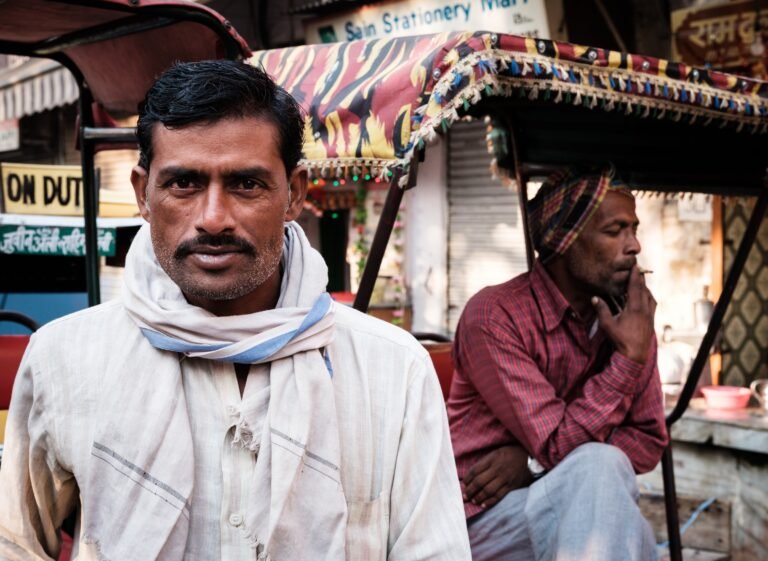
This 14-day Ladakh photography expedition is built around two things most photo tours in this region don’t give equal weight — Himalayan landscape and the people who live in it.

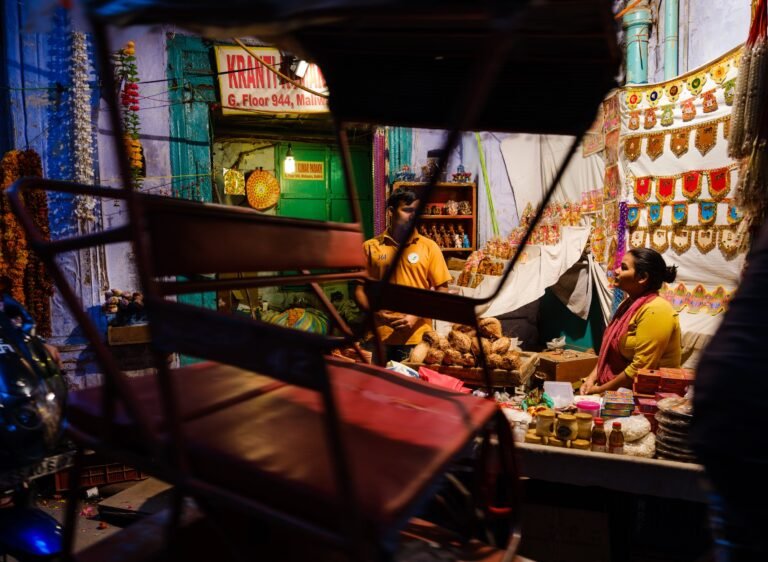
We begin in Old Delhi in September 2027, when the monsoon has just released its grip on the plains and the light turns honeyed and low. Spice markets, Chandni Chowk, and Humayun’s Tomb at golden hour set the pace before we fly north to Leh. We give ourselves time to acclimatize before photographing monks at morning prayer in Thiksey, the cliff-top monastery of Hemis, and the bread makers of the old town. We cross Khardung La at 5,359 meters into Nubra Valley — sand dunes against snow peaks, Bactrian camels at Hunder, the Maitreya Buddha above the valley. At Pangong Lake, we stay lakeside for sunrise, when September strips the water of summer haze and turns it an impossible blue. Tsokar’s salt flats and the Changpa nomads — tea inside a yak-hair tent — come next, the herds still grazing the high pasture before the seasonal move. The final leg runs west to Alchi, the Aryan Valley with its flower-crowned villagers, the moonscape of Lamayuru, and the traditional resort at Ule before we close back in Leh.

September is one of the finest months to be in Ladakh. The skies have cleared, the passes are open, and the harvest is beginning — barley fields run gold against the mud-brick villages, and the air carries a first suggestion of the winter coming. The crowds of midsummer are gone.
Ladakh has gotten easier to reach. The flights are reliable, the permits are straightforward, and the lodging has quietly caught up. What hasn’t changed is the light at 3,500 meters, the scale of the Karakoram, and the fact that the people who live up here will still welcome you into a tent for tea.

Join us in September 2027 and photograph the Himalaya the way it’s still lived in.

When: September 7–20, 2027

Price: $6,695

Single Room Supplement*: $995

Deposit: $995 US Dollars to secure your spot.

Balance: Due 90 days before departure. Full terms and conditions in FAQ.

Who: Open to all skill levels; non-photographer spouses are welcome.

Group Size: Minimum 4 People, Maximum 10 People.

Where: This photo expedition starts and ends in Delhi.

Fitness Level: Moderate. We cross passes above 5,300m (Khardung La at 5,359m, Taglang La at 5,328m) and sleep as high as 4,530m (Tsokar) and 4,350m (Pangong). Daily activities are mostly private-vehicle transfers with short walks on uneven ground — monastery courtyards, village lanes, dune walks at Hunder, salt flats at Tsokar. Participants should be reasonably active, and comfortable with thin air. We build a full acclimatization rest into the first day in Leh, carry supplemental oxygen and a first-aid kit throughout, and follow a daily rhythm, with a midday rest that is designed around altitude recovery.

The tour is open to all levels of photographic skills, from beginner to experienced. However, there will be no formal workshops or critiques. We will share knowledge and skills along the way in the spirit of real adventurers.

Tour prices are set for double occupancy, so unless you travel with a friend or spouse, you'll need the single supplement. If you're traveling alone and choose not to book a single supplement, we'll do our best to pair you with another participant who also seeks to share. Roommate pairings are not guaranteed; we'll always pair you with someone of the same gender. The single supplement fee will apply if we can't make a match.

Why join this a photo tour to Ladakh?

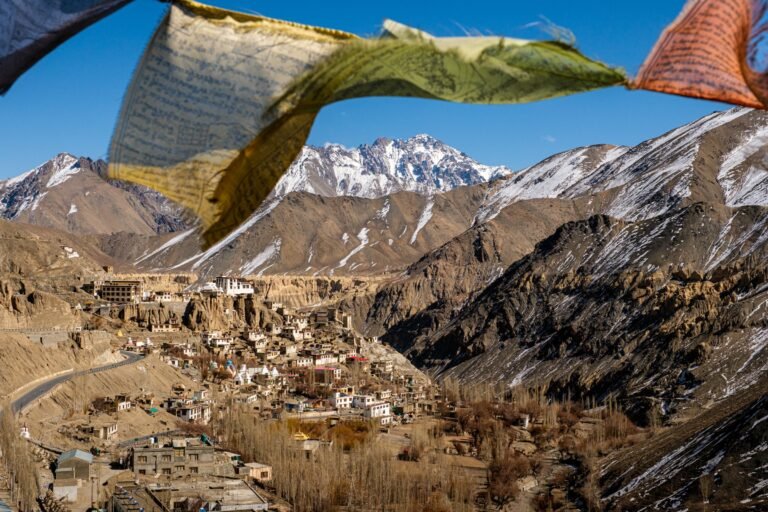
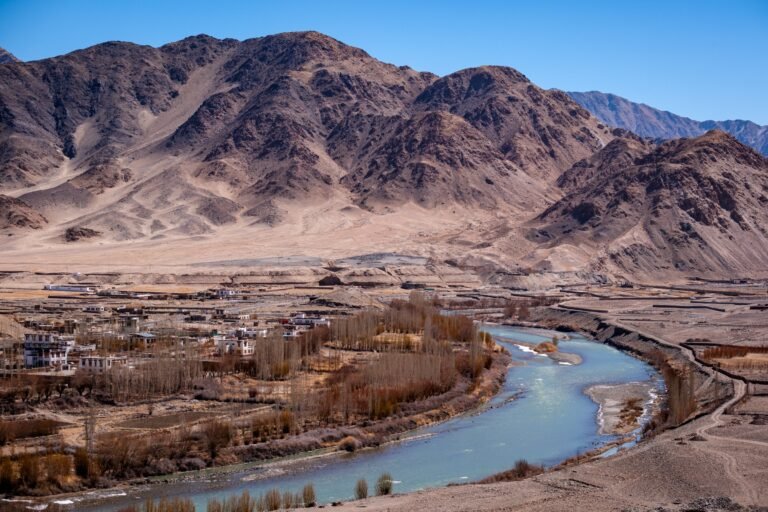
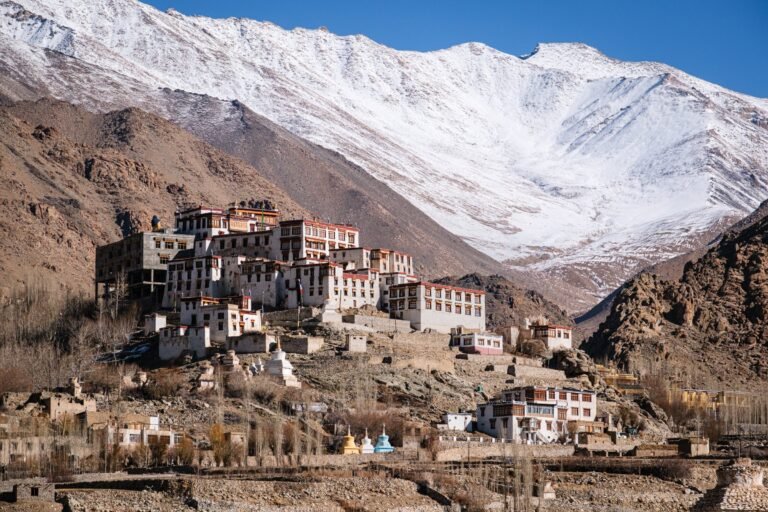
Ladakh sits at the top of India, inside the western Himalaya, on what was once the main trade route between Central Asia and Tibet. It looks like nowhere else in the country — high-altitude desert, 6,000-meter peaks, saltwater lakes at 4,500 meters, and Buddhist monasteries older than most of the cathedrals in Europe.

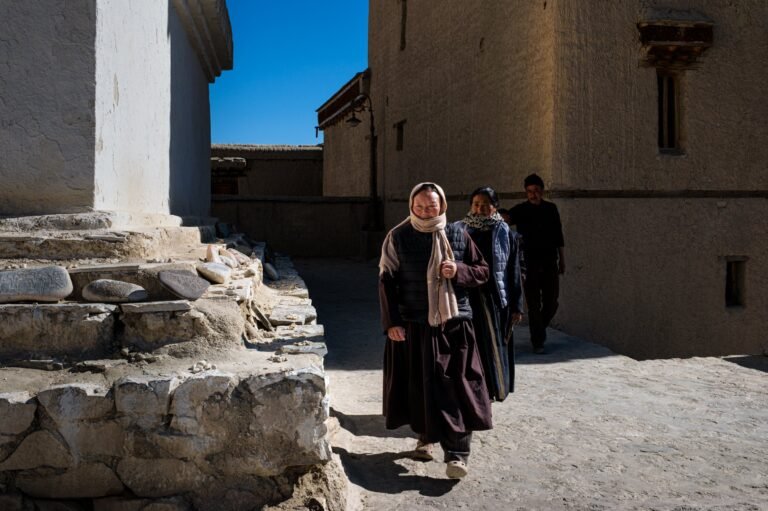
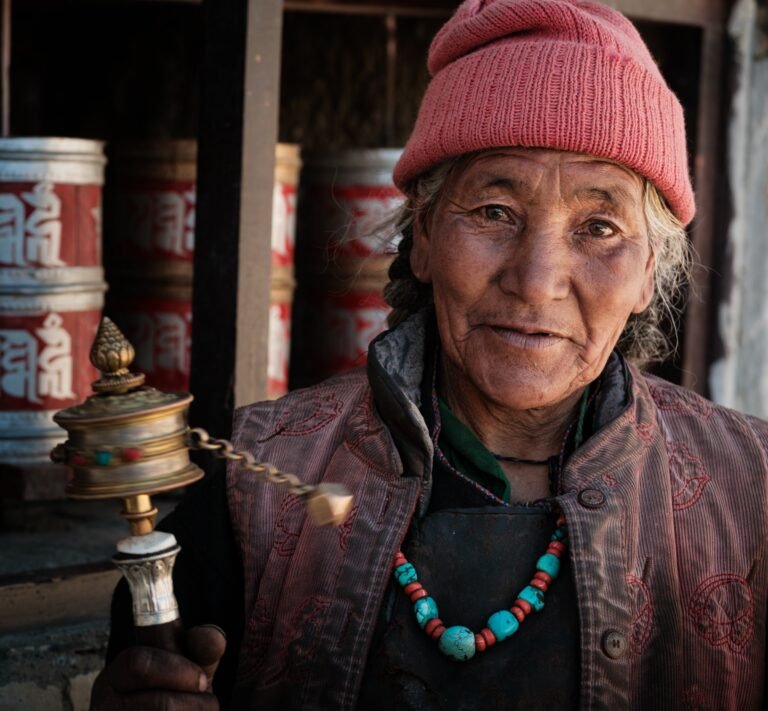
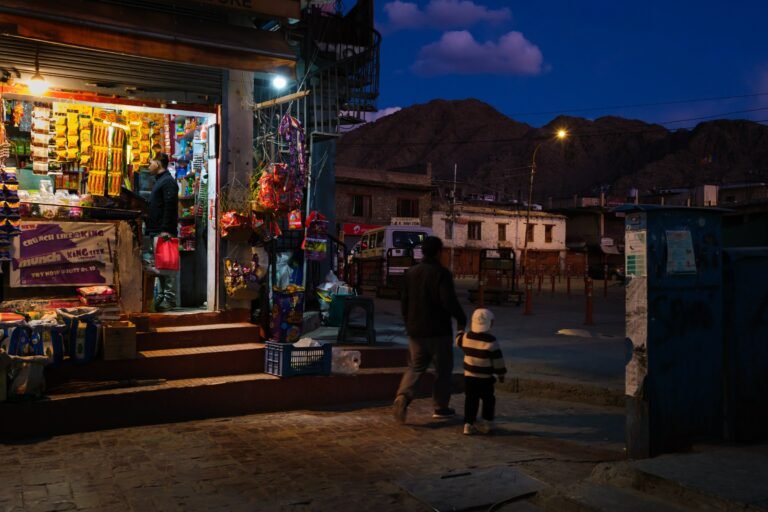
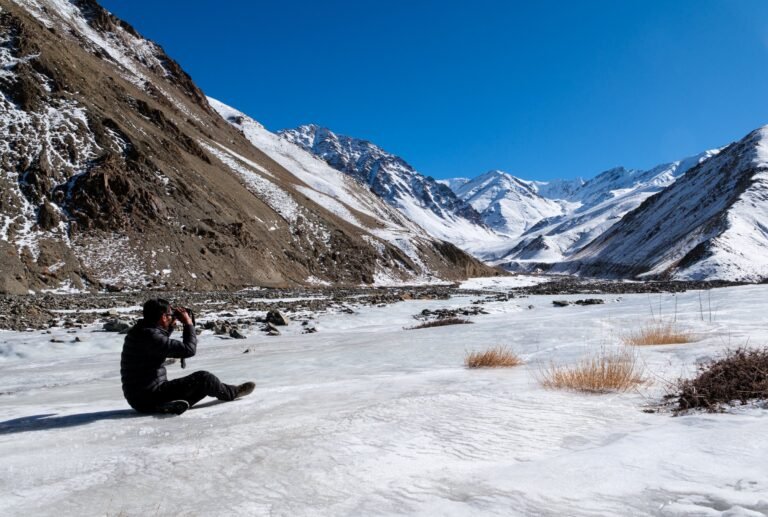
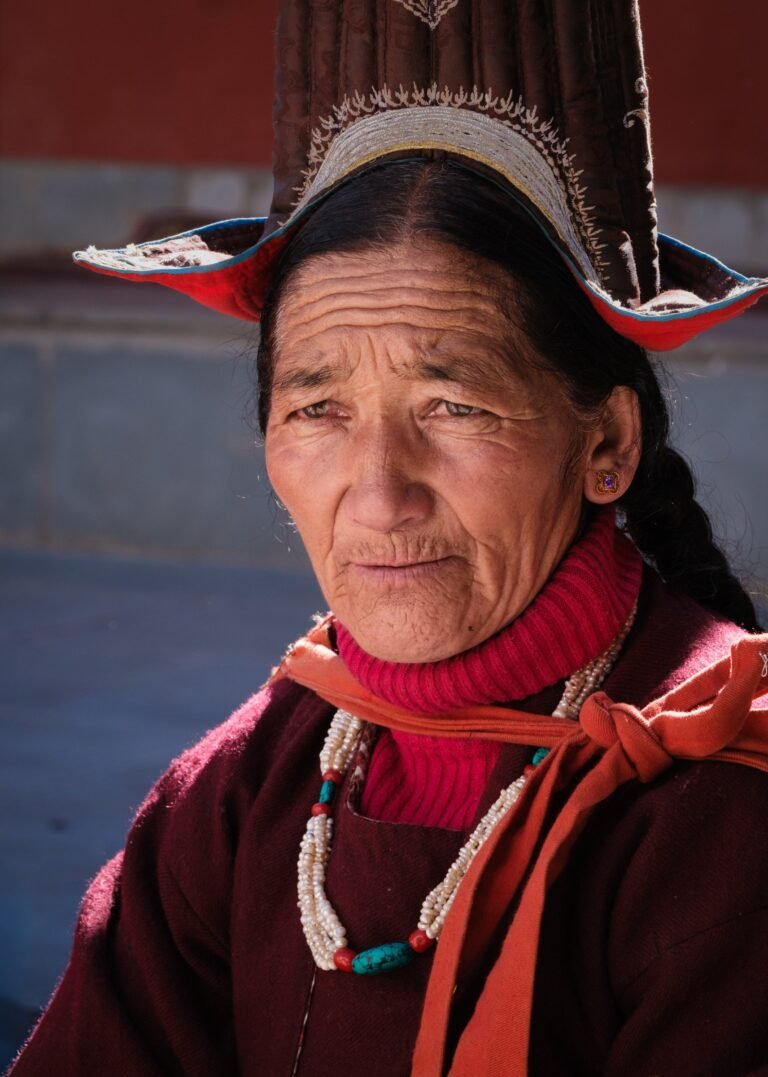
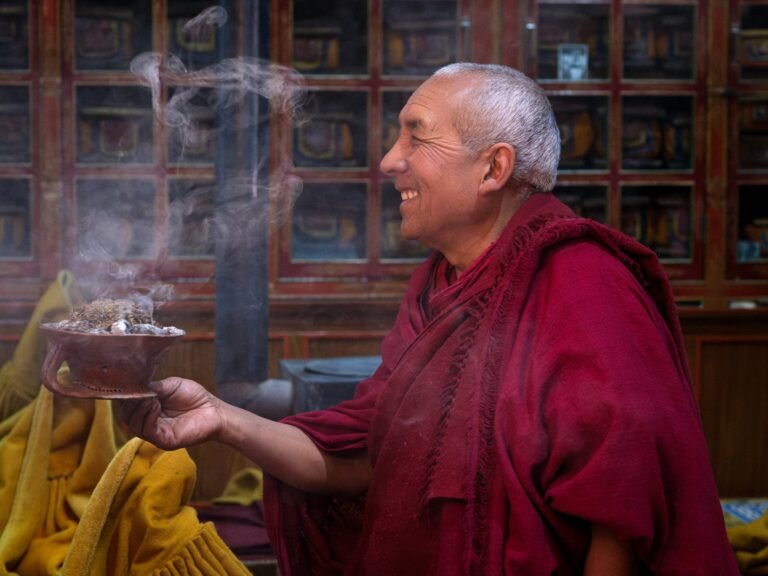
What makes Ladakh so compelling for photographers is the combination. The landscape, the light, and the people all coexist in the same frame . Dunes with snow peaks behind them, monks with butter lamps, nomad tents in wide-open plains. Few places on earth put landscape and portrait photography this close together.

This journey was designed around that combination. In Old Delhi, we photograph Mughal monuments and street life before heading north. In Leh, we spend time inside monasteries like Thiksey, Hemis, and Shey — including morning prayer with the monks. We cross the Himalaya to Nubra Valley for Bactrian camels and dunes, then to Pangong Lake for its shifting blues at sunrise. At Tsokar we photograph the salt flats and the Changpa nomads who have herded this plateau for centuries. The western leg brings us to Alchi, the Aryan Valley with its flower-crowned villagers, the Moonland terrain around Lamayuru, and Ule Ethnic Resort before we return to Leh.

For landscape and portrait photographers, Ladakh offers access to a high Himalayan world that still operates on its own terms.

Our tour

This Ladakh photography tour is designed for photographers who want both — landscape and portrait — in the same trip, and at depth rather than in passing.

Our 14-day expedition starts and ends in Delhi and moves from Old Delhi to Leh, Nubra, Pangong, Tsokar, back to Leh, and west to Alchi, the Aryan Valley, Lamayuru, and Ule. Each location was chosen for its photographic potential, and the order was built so altitude comes on gradually and the light is always working in our favor.

We travel with Daniel and our local partner, who has led photography tours in Ladakh for years and whose team handles the ground — private vehicles, inner-line permits, accommodation, and pre-arranged portrait access with the communities we visit. With a maximum of 10 participants, you'll have the time and space to set up properly at Khardung La, wait for the light to turn on the water at Pangong, and sit inside a yak-hair tent without anyone rushing the family out the door.

September is a deliberate choice. The monsoon is done in the plains and never really reaches Ladakh. The skies are clear, the air is cold at night but warm in the sun, and the summer trekking crowds have already thinned. It's the best working window of the year.
Full Itinerary

The itinerary below is our framework, and we follow it closely. But in the high Himalaya, weather, altitude, and light are the real decision makers.

If the clouds are breaking over Pangong and the reflections are running, we wait. If a Changpa family has the kettle on, we sit down. If the light at Lamayuru is softer in the afternoon than the morning, we swap the order. Our local team know the roads, the passes, and the September light — we adjust in real time.

What this means in practice: morning calls may shift, we may return to a viewpoint we scouted the day before, and we’ll always choose real Himalayan light over sticking to the clock.

The itinerary gives you the shape of the journey. The Himalaya fills in the rest.

Day 1 | Arrive in Delhi | (D) | September 7, 2027

Your journey begins at Indira Gandhi International Airport, where a member of our team will be waiting to transfer you to your hotel in the heart of Old Delhi. After a long journey, the afternoon is unstructured — rest, settle in, and let the city find you at whatever pace suits.

As evening comes on, the group gathers for a welcome meeting: introductions, a walkthrough of the photographic approach for the days ahead, and an open floor for any questions. We close the night over dinner at the hotel, an early one by design — tomorrow starts at golden hour.

Accommodation: Haveli Dharampura, Old Delhi, or similar.

Day 2 | Old Delhi | (B, L, D)

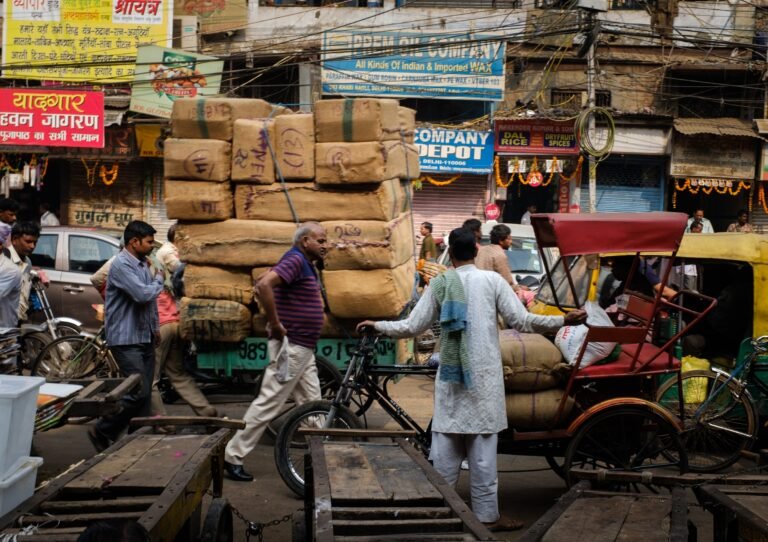
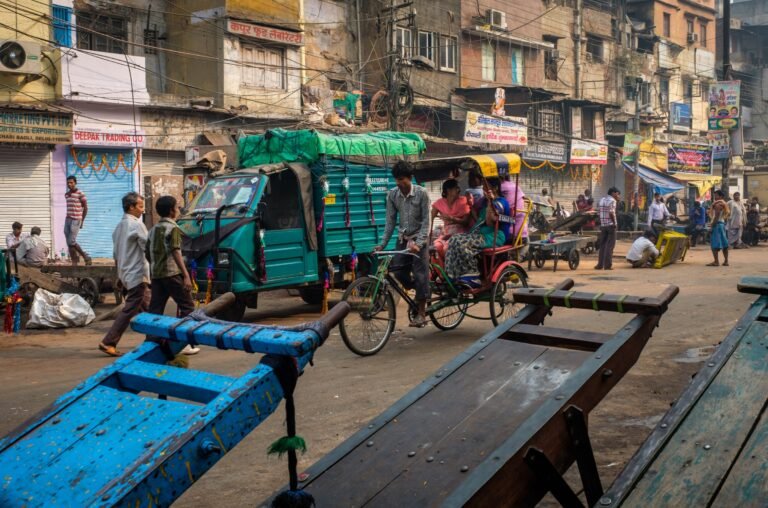
We’re up before the city is. The spice market, the labyrinthine lanes of Chandni Chowk, and the great sandstone facade of Jama Masjid all belong to photographers who arrive in first light — before the heat builds and the crowds thicken. We work until the morning has given us what we came for, then head back to the hotel for a proper breakfast.

Mid-morning takes us across town to Majnu Ka Tilla, Delhi’s Tibetan colony, where the streets run narrow and colorful and the chai is worth sitting down for. There are faces here, textures, small moments — a different register entirely from the Mughal grandeur of the morning.

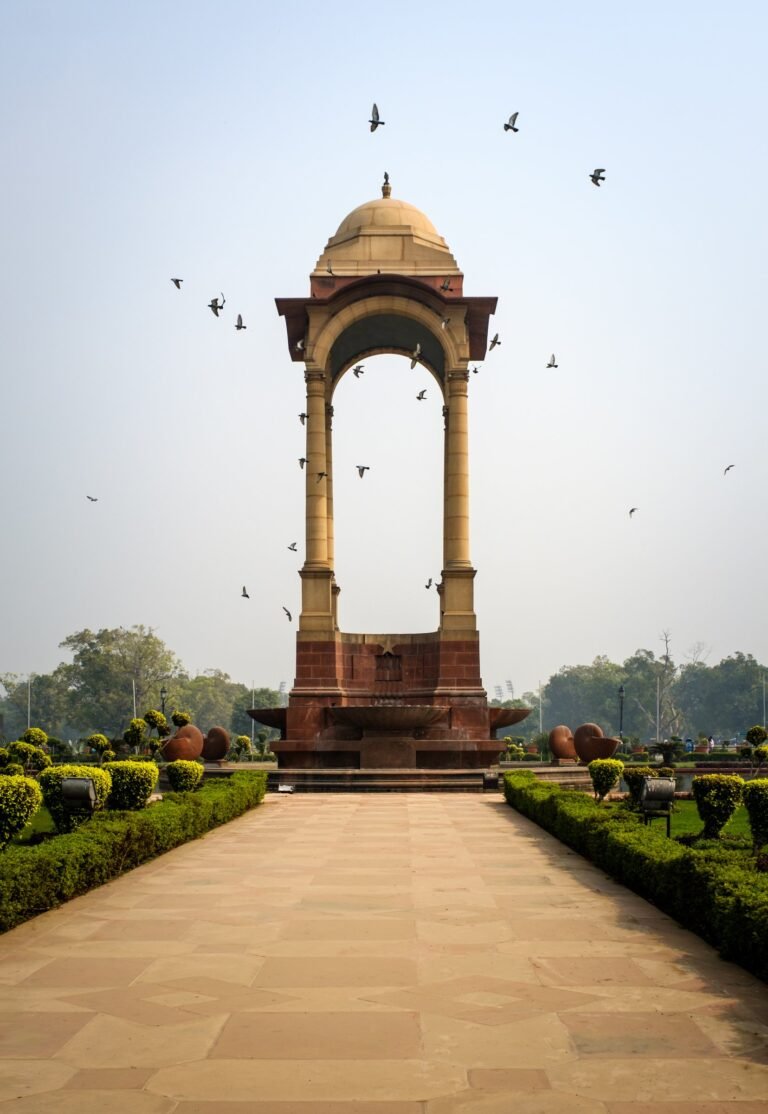
The midday hours are for rest. In the afternoon we make for Humayun’s Tomb, timing our arrival so the low sun hits the red sandstone at the right angle and the formal Mughal geometry does what it does best in that light.

Dinner at the hotel and an early night — the flight to Leh leaves in the morning.

Accommodation: Haveli Dharampura, Old Delhi, or similar.

Day 3 | Delhi to Leh | (B, D)

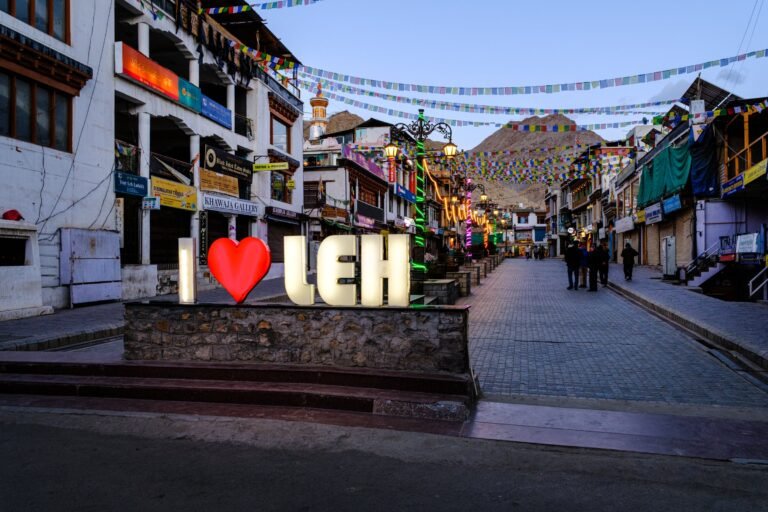
The early morning flight north from Delhi is, on a clear day, one of the great aerial approaches in the world — the Himalaya unfolding below the wing before the plane drops into the Indus Valley and touches down at Leh. We transfer to the hotel, where welcome tea and an acclimatization briefing are waiting.

Leh sits at 3,500 meters. The body needs time to find its footing at this altitude, and today is designed around that reality — rest, fluids, and no ambitions beyond letting the afternoon pass quietly.

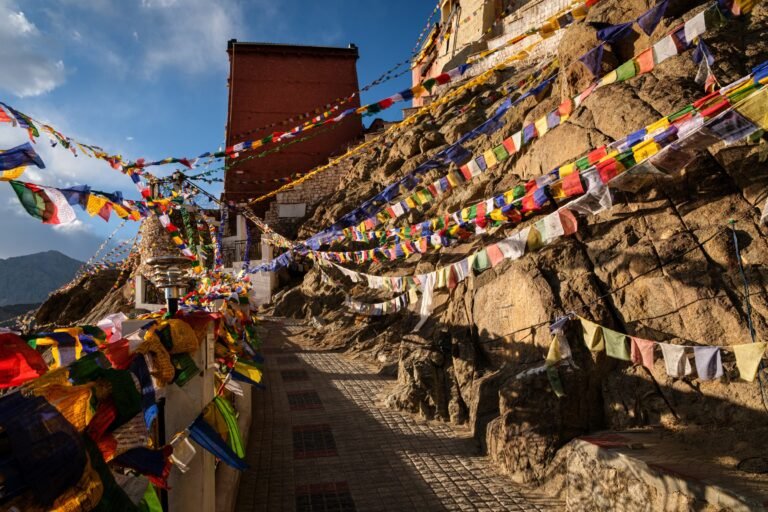
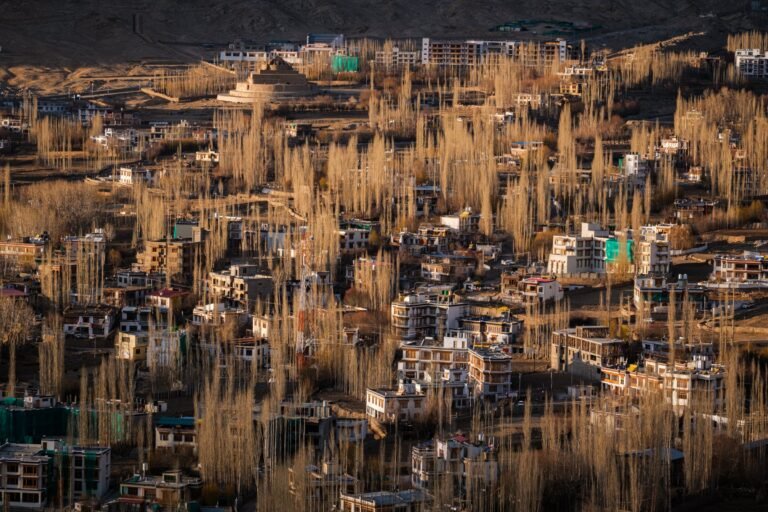
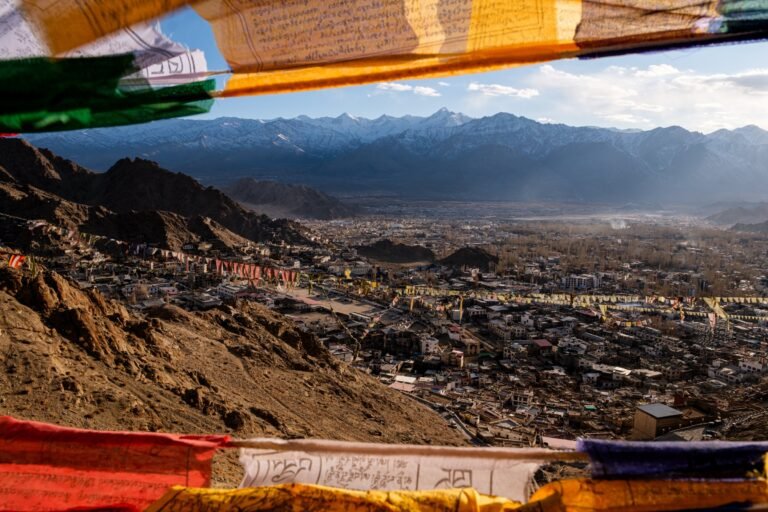
For those who feel ready by late afternoon, Shanti Stupa is an easy walk from town and a good first look at what surrounds us: prayer flags, a wide panorama of Leh below, and the mountains stacked up behind it in every direction.

Accommodation: Grand Dragon Hotel, Leh, or similar.
Altitude: 3,500 meters / 11,500 feet.

Day 4 | Old Leh Market and Monastery Circuit | (B, L, D)

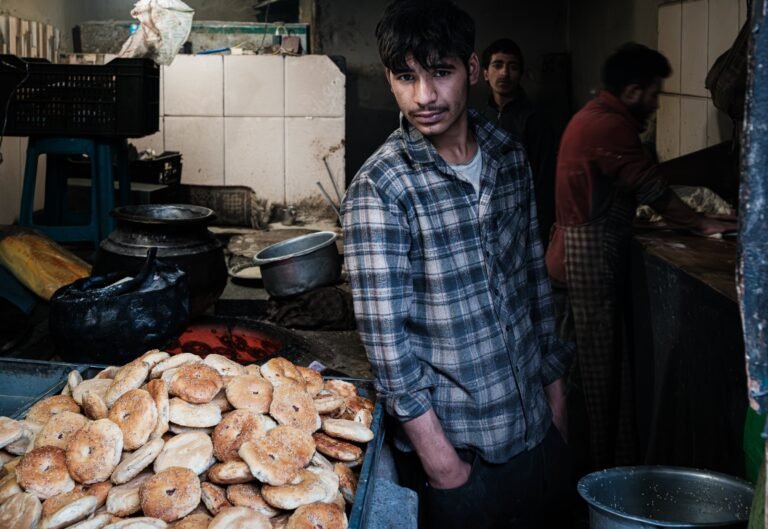
Dawn finds us in Old Leh, where the clay ovens are already hot and the bread makers are well into their morning. It’s one of the quieter, more intimate shoots of the trip — portraits and street scenes in soft early light, the kind of access that comes from arriving before the day has properly started. We return to the hotel for a full breakfast once the light has gone flat.

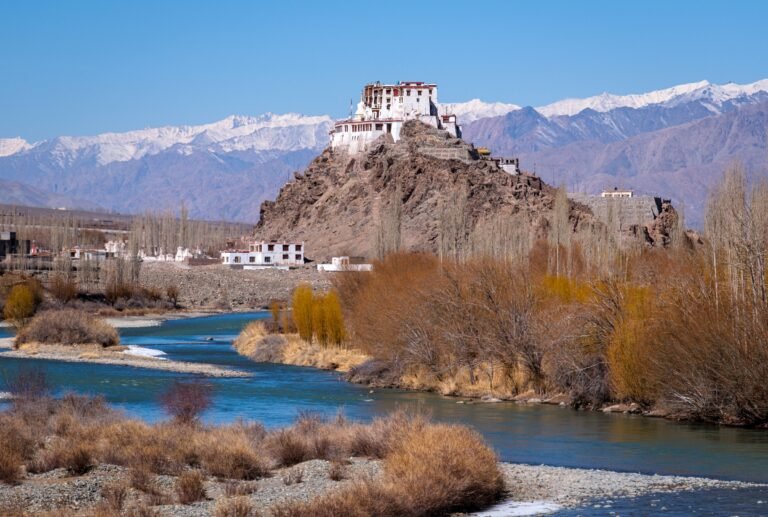
Mid-morning we take to the road for a monastery circuit through the Indus Valley. Shey Palace and Stakna Monastery are the anchors — the latter perched on a rocky promontory above the river in a way that makes it difficult to point a camera badly.

The middle of the day is for lunch and rest back at the hotel. Late afternoon we head out again, staying with the light as it moves toward golden hour.

Accommodation: Grand Dragon Hotel, Leh, or similar.

Day 5 | Thiksey Morning Prayer and Hemis | (B, L, D)

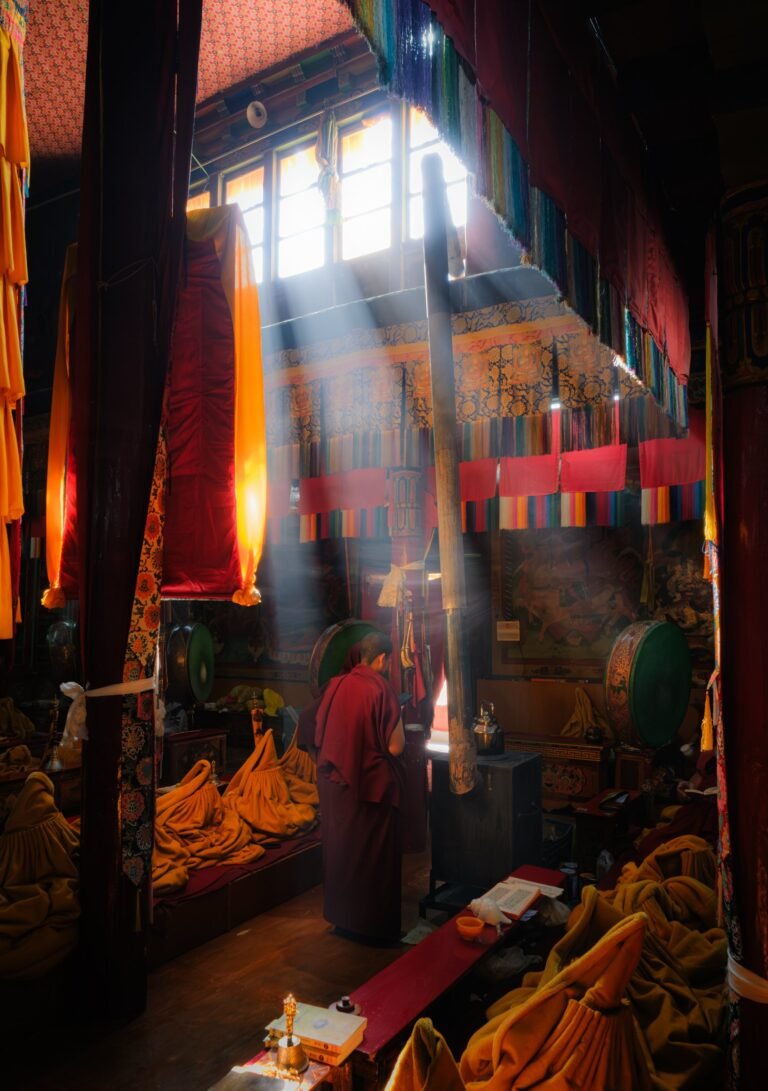
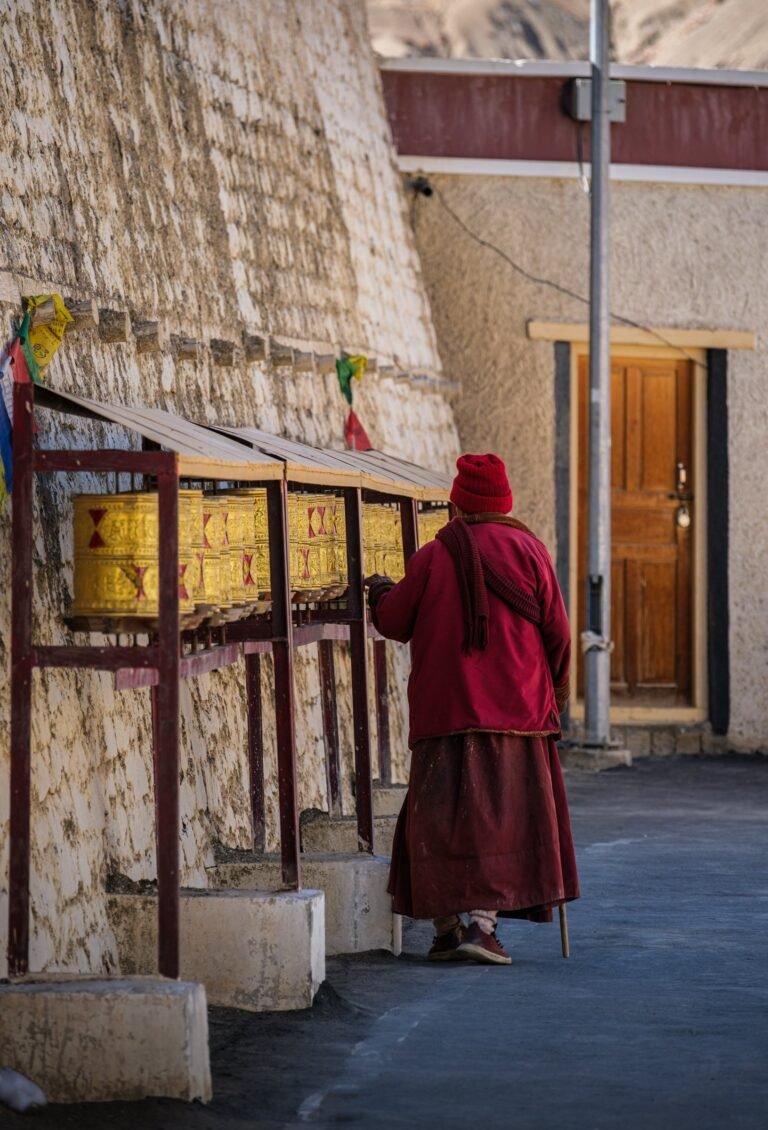
The alarm goes early. We drive to Thiksey before first light to be in position when the morning prayer ceremony begins — butter lamps already burning, the low resonance of chanting filling the hall. Tea is served inside the monastery. In terms of portraiture, this is the session that defines the Leh stretch of the tour: intimate, unhurried, and lit in a way that no amount of planning can fully replicate.

Back to the Grand Dragon for breakfast and a short rest, then out again mid-morning to Hemis. The largest monastery in Ladakh, it sits tucked into a side valley beneath cliffs that frame it differently as the light shifts through the morning. There’s space here to explore without feeling rushed.

Lunch and the midday rest follow at Hemis or back in Leh, depending on the group’s pace. The afternoon is free at the hotel for editing, rest, and repacking — tomorrow is an early checkout for Nubra. We finish the day with dinner together in Leh.

Accommodation: Grand Dragon Hotel, Leh, or similar.

Day 6 | Leh to Nubra Valley via Khardung La | (B, L, D)

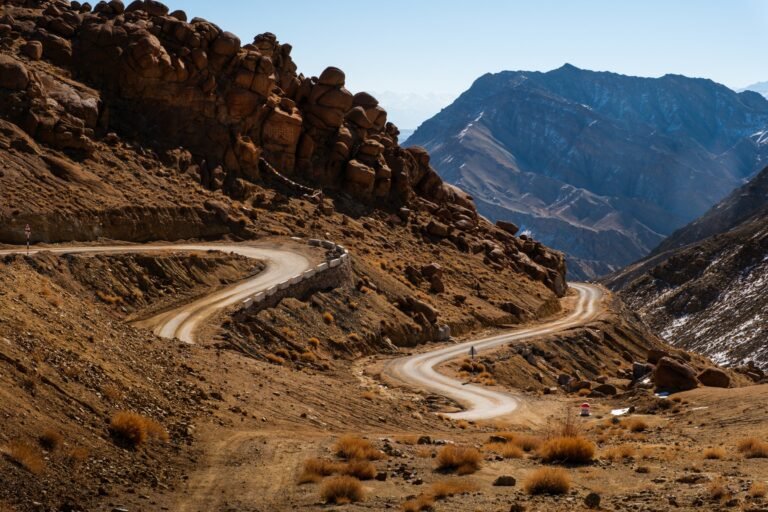
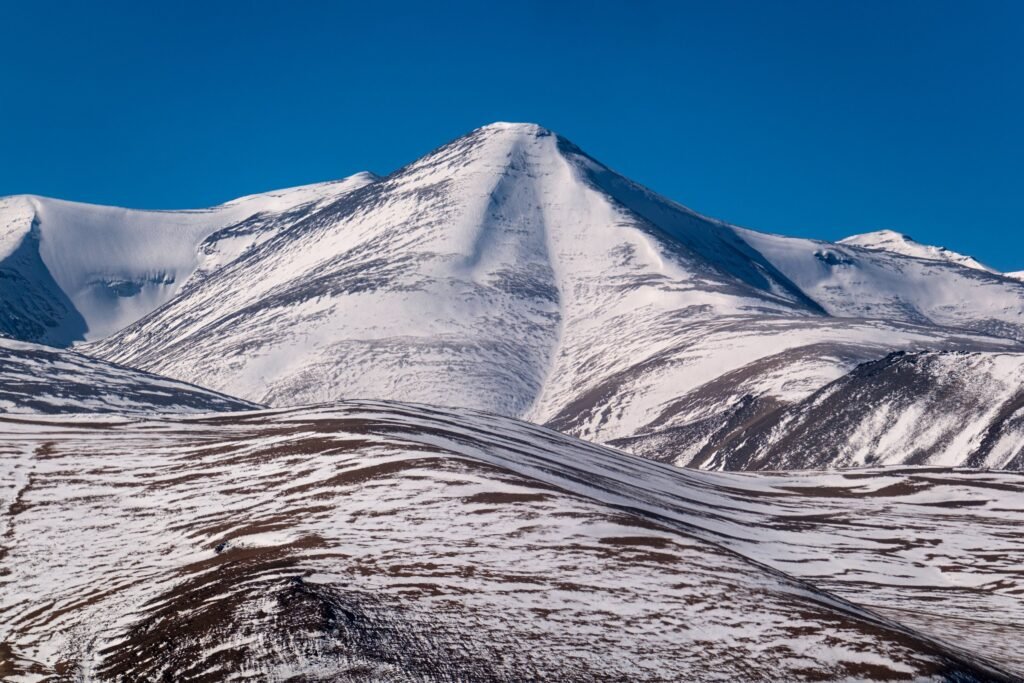
Checkout after breakfast, then north. The road to Nubra climbs through switchbacks to Khardung La — one of the highest driveable passes anywhere in the world — and we time the departure to arrive at the top while the morning light is still catching the prayer flags and the snow peaks behind them.

The descent into Nubra is its own reward, the landscape shifting register as we drop out of the high pass and the valley opens up below. A packed lunch in the open somewhere on the way down, then on to the resort to check in and, if the timing allows, a short rest.

Late afternoon we’re back out along the Shyok River as the light softens toward golden hour — a gentler introduction to Nubra’s particular quality of evening light.

Accommodation: Sky View Resort, Nubra Valley, or similar. Altitude: 3,100 meters / 10,170 feet.

Day 7 | Diskit, Hunder Dunes, and the Bactrian Camels | (B, L, D)

Mid-morning after breakfast we make for Diskit Monastery and the 32-meter Maitreya Buddha that presides over it — the valley floor and the snow peaks filling the frame behind. It’s a composition that rewards time and patience as the light moves.

Back to the resort for lunch and the midday rest, then out again in the afternoon to the Hunder Sand Dunes, where one of the more unlikely landscapes in the Himalaya does exactly what it promises: dunes running up against snow peaks with nothing in between. We’ve arranged a portrait session with the Bactrian camel handlers in traditional dress, with tea and coffee served on the dunes as the light drops.

Accommodation: Sky View Resort, Nubra Valley, or similar.

Day 8 | Nubra Valley to Pangong Lake | (B, L, D)

An early shoot in Nubra before we return to the resort for breakfast and checkout. The drive to Pangong runs through the Shyok Valley, and we take it at a photographer’s pace — yaks and Cashmere goats work the high pastures along the route, and we stop when the light and the animals are cooperating. Lunch at a restaurant on the way.

Pangong in late afternoon is the reason we’ve timed this the way we have. The lake’s colour is at its most saturated when the sun is still up but dropping — that particular blue, the mountain ridgeline darkening against it, the first reflections appearing on the surface. We check into the lakeside cottages and head straight out, working through sunset and into the last of the golden hour.

The evening winds down around a bonfire with tea and dinner, the lake going dark behind us.

Accommodation: Frontier Cottages, Pangong, or similar. Altitude: 4,350 meters / 14,270 feet.

Day 9 | Pangong to Tsokar | (B, L, D)

The alarm is early again. We’re at the water’s edge before first light — prayer flags, the peaks catching the first colour of the day, the lake surface doing the rest. It’s the shot the trip has been building toward, and we give it the time it deserves. Breakfast back at the cottages, then a traditional dress portrait session at the water before we check out and move on.

The drive to Tsokar crosses some of the highest plateau in Ladakh, and we take our time with it. Mirpal Tso and Yaya Tso both offer wide-angle lake compositions from elevated ground — the kind of viewpoints that don’t appear in a hurry and disappear just as quickly when the light shifts. We arrive at Tsokar in the late afternoon with enough time to settle in before dinner.

Accommodation: Kalzang Residency, Tsokar, or similar. Altitude: 4,530 meters / 14,860 feet.

Day 10 | Tsokar to Leh via the Changpa Nomads and Taglang La | (B, L, D)

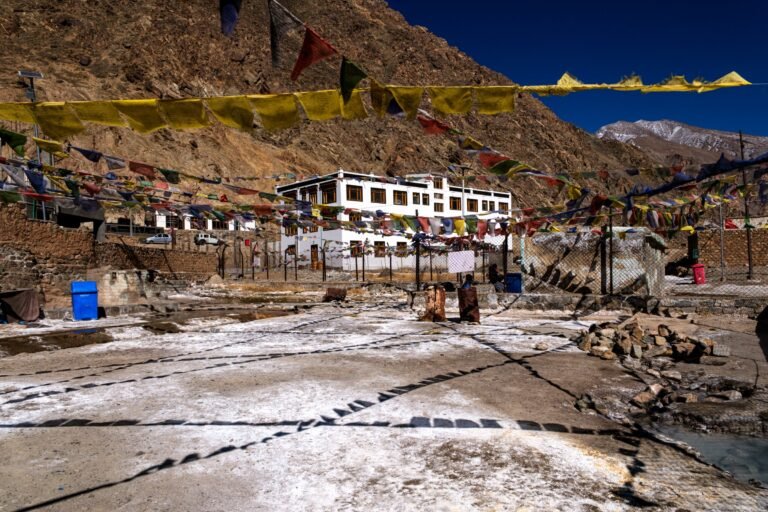
First light on the Tsokar salt flats — the reflections are clearest before any wind comes up, and the plateau sky at this altitude has a quality that’s hard to find anywhere else. We work the flats through sunrise, then back to the residency for breakfast before pointing the vehicles west toward Leh.

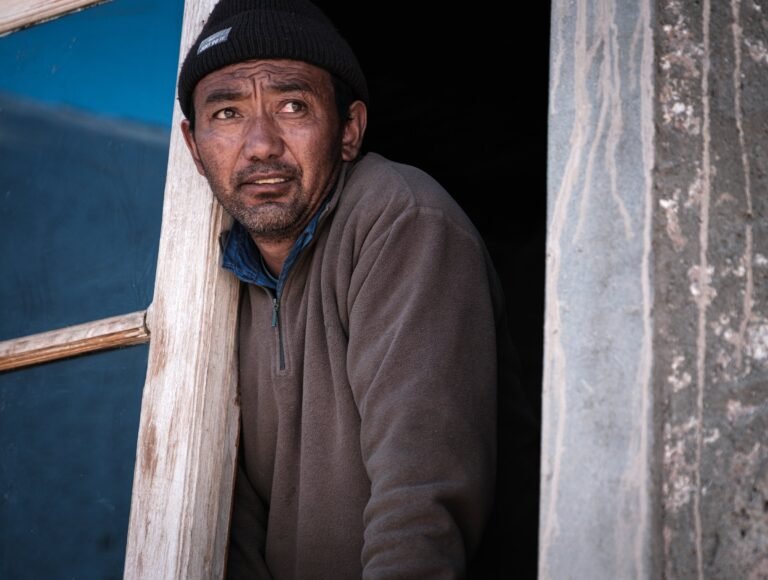
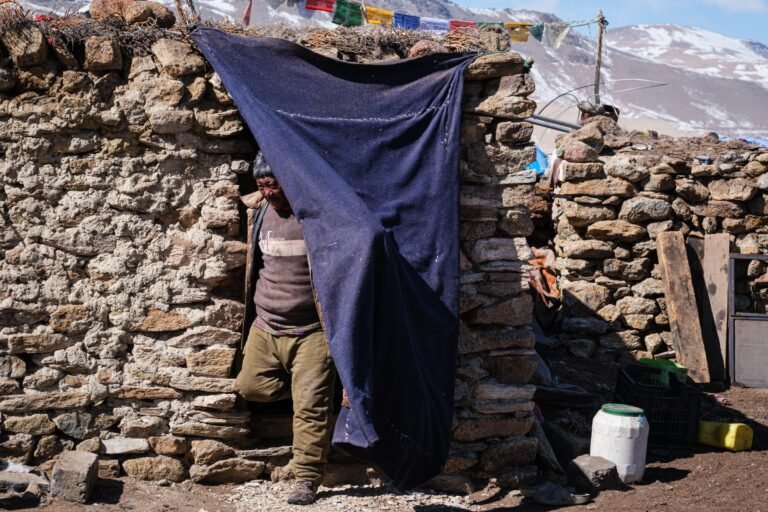
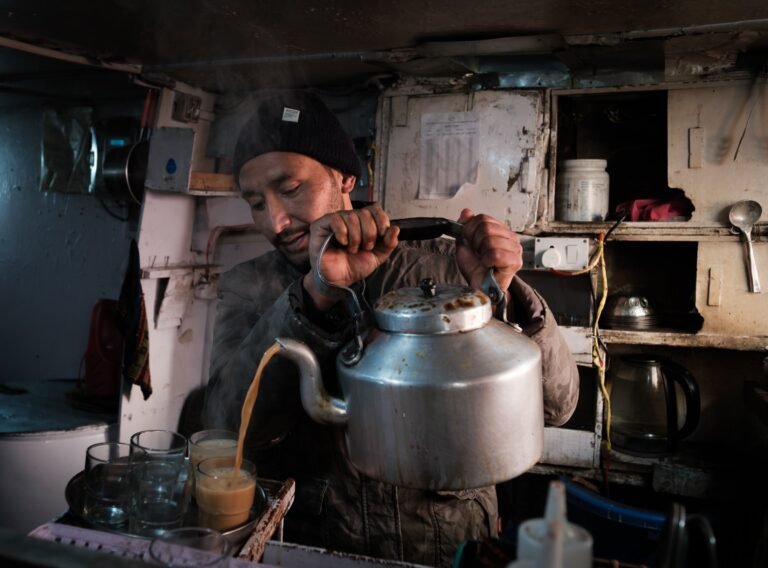
The stop that defines the day comes in the Pang-chen valley, where we spend time with a Changpa nomadic family. Tea is served inside the yak-hair tent. There are portraits to be made, interiors, small details — the accumulated texture of a life organised around animals and altitude and seasonal movement. It’s one of those shoots that’s easy to underestimate on paper and difficult to leave.

We continue up and over Taglang La, a photo stop at the prayer flags before the descent, where the geological banding in the rock face offers something for the wider lens. Leh by mid-afternoon, time to rest, and dinner together in the evening.

Accommodation: Grand Dragon Hotel, Leh, or similar.

Day 11 | Leh, Alchi, and the Aryan Valley | (B, L, D)

Breakfast, checkout, and west along the Indus. Alchi Monastery is the first stop — the 11th-century murals and woodcarvings inside are among the oldest and least-visited in Ladakh, a different kind of photography from the active monastery visits earlier in the trip. The village market alongside it has weavers and craftspeople worth time with.

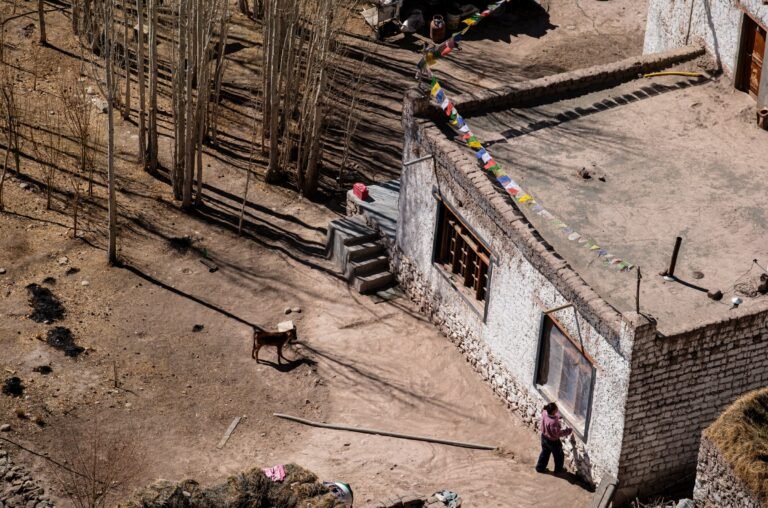
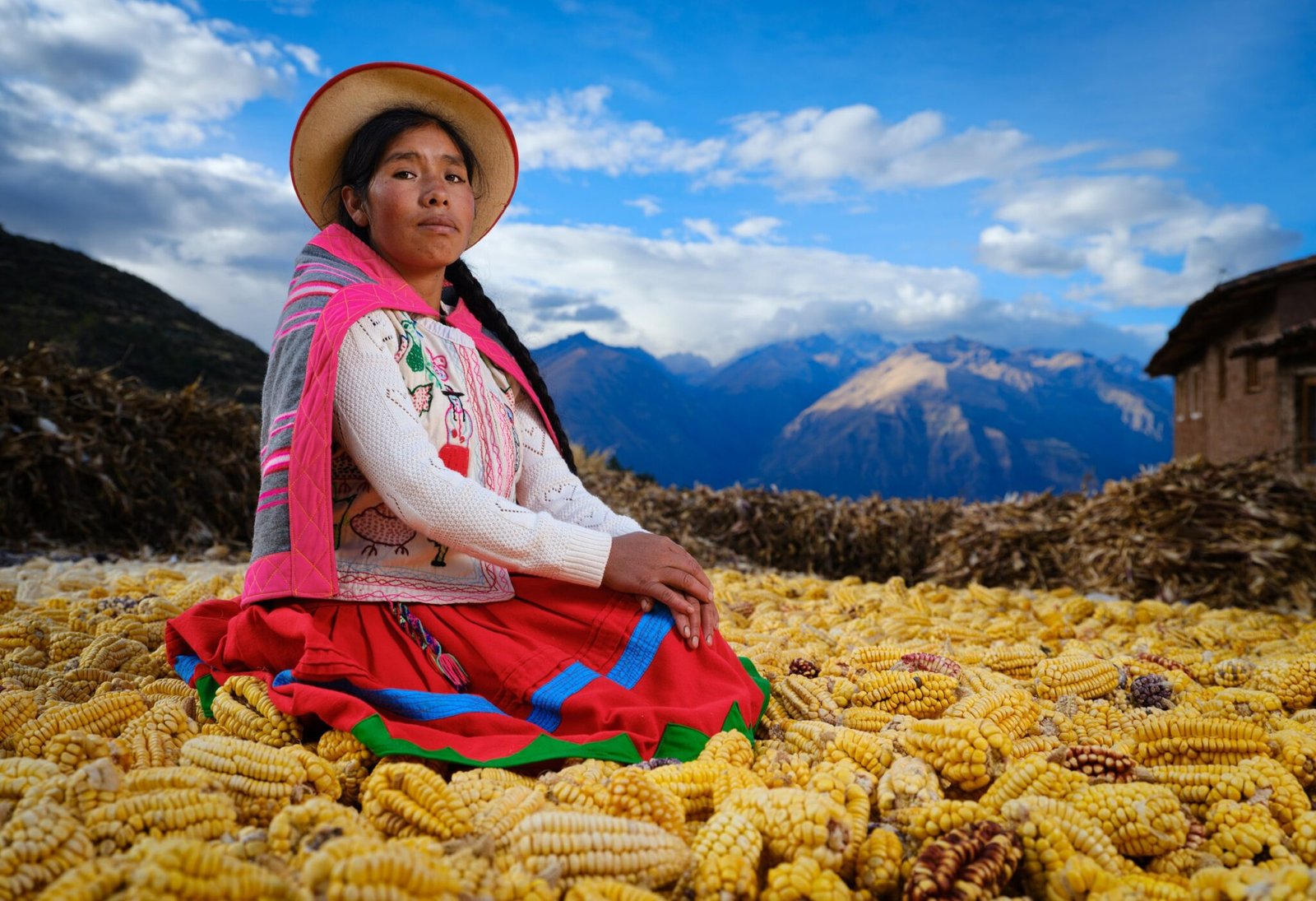
Lunch and the midday rest at Alchi, then on into the Aryan Valley in the afternoon. The community here is ethnically distinct from the rest of Ladakh, and visually the difference is immediate — traditional dress, elaborate flower headdresses, stone houses running up the hillside between apricot orchards and prayer flags. We work the village through golden hour, which in September comes early enough to be generous.

Accommodation: Aryan Residency, Garkhon, or similar. Altitude: 2,800 meters / 9,200 feet.

Day 12 | Aryan Valley, Lamayuru, and Ule | (B, L, D)

Early light in the Aryan village before breakfast — the flower headdresses and traditional dress read best when the sun is low and coming in from the side, and the morning portraits here tend to be among the strongest of the trip. We take our time before heading back for breakfast and the drive onward.

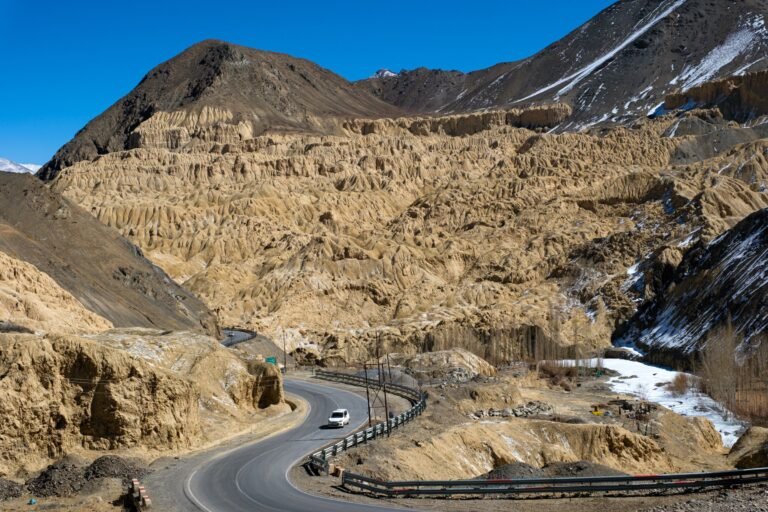
Lamayuru is the centrepiece of the morning — the monastery itself perched on its clifftop, and below it the moonland: eroded ridges and ochre slopes folding into each other in a landscape that looks borrowed from somewhere else entirely. There’s wide work here, and detail work, and the active monastery above offers both architecture and monks going about their day.

Midday rest, then west to Ule and the lodge on the river. The afternoon is quieter — the resort, the village, and whatever the light offers as it moves toward sunset.

Accommodation: Ule Ethnic Resort, Ule, or similar. Altitude: 3,000 meters / 9,840 feet.

Day 13 | Ule to Leh, Final Dinner | (B, D)

An optional early shoot in the village before breakfast for those who want a last hour with the Ule light. Then back to Leh — it’s a short drive, and we’re checked into the Grand Dragon by mid-morning.

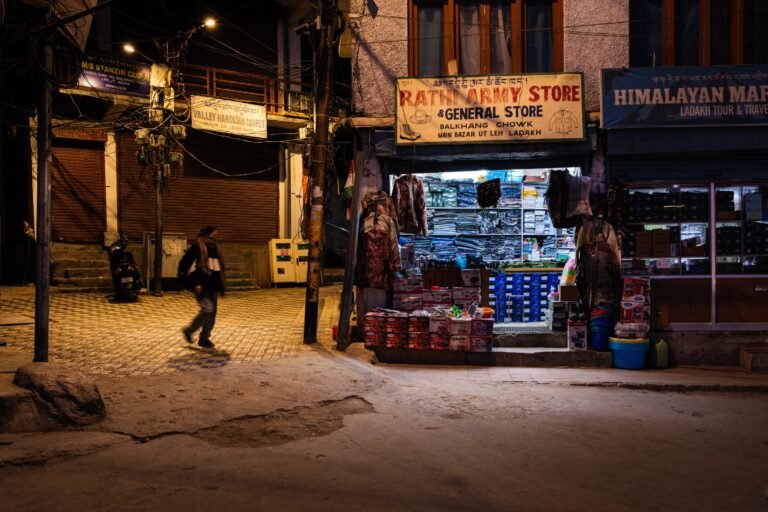
The afternoon is unscheduled. The craft markets in Leh are worth a wander if you’re looking to take something home — silver, pashmina, and thangkas are all well represented, and the lanes around the old bazaar reward a slow pace. Or simply rest, edit, and pack.

In the evening the group gathers one last time for a farewell dinner — a proper close to the journey, with time to talk through what we made and what stays with you.

Accommodation: Grand Dragon Hotel, Leh, or similar.

Day 14 | Depart Leh | (B) | September 20, 2027

A final breakfast at the Grand Dragon, then transfer to Leh airport in time for the morning flight south to Delhi. The Himalaya one more time through the window on the way out.

Onward connections from Delhi, or an additional night in the city, can be arranged on request — just let us know when you book.

The price of the tour includes:

  • 13 nights of accommodation on a twin/double sharing basis, as listed in the itinerary.
  • All meals: 13 breakfasts, 12 lunches, and 13 dinners, including non-alcoholic beverages.
  • Photo tour leader Daniel Korzeniewski throughout the expedition.
  • Local expert guide, English-speaking, throughout the expedition.
  • All ground transportation in private vehicles as listed in the itinerary.
  • Two domestic flights: Delhi to Leh (Day 3) and Leh to Delhi (Day 14).
  • Inner-line permits for restricted areas (Nubra Valley, Pangong, Tsokar, and the Aryan Valley).
  • Pre-arranged portrait sessions, including fair compensation to participating subjects.
  • All entrance fees, monastery donations, and community access fees as listed in the itinerary.
  • Airport transfers in Delhi and Leh.
  • Daily bottled water. 

The price does not include:

  • International flights to Delhi and onward from Delhi.
  • Travel insurance, mandatory for all participants.
  • Indian visa fees, required for most nationalities.
  • Alcoholic beverages.
  • Tips for guides and drivers.
  • Personal expenses (souvenirs, laundry, phone calls, SIM card, etc.).
  • Altitude medication, consult your doctor before departure.
  • Meals not listed in the itinerary.
  • Anything not explicitly listed under inclusions above. 
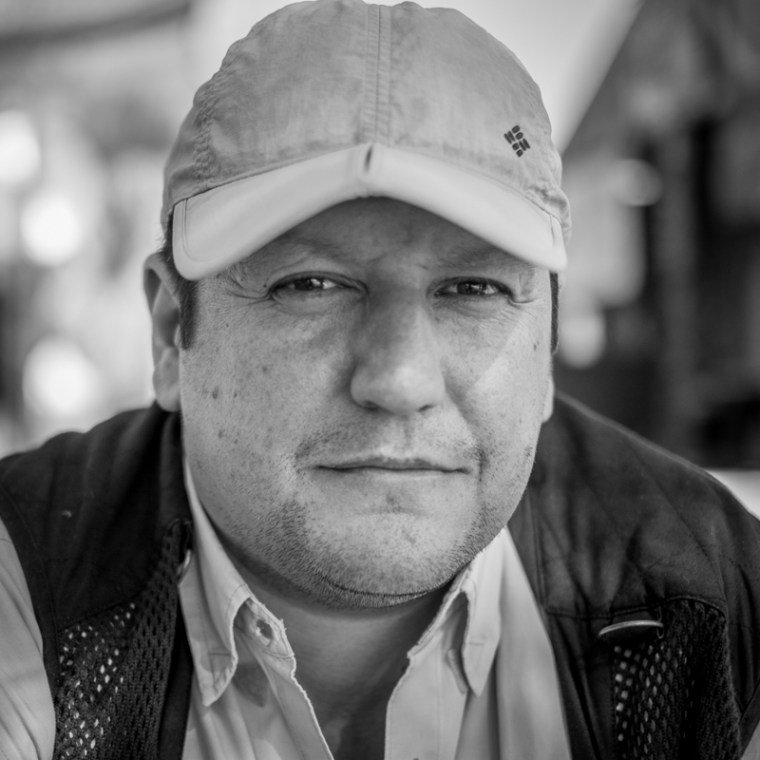
Daniel Korzeniewski
Daniel Korzeniewski

Photography is more than a passion for Daniel; it’s a golden opportunity to document the world and share unique cultures with people across the globe. Embarking upon his creative path at the age of 17, he has since shot assignments, commercial work, and lifestyle campaigns.

However, his primary focus is on travel and landscape photography. Daniel led photo tours in Morocco, India, Peru, Cuba, and Vietnam during the last few years.

Daniel is fluent in both Spanish and English.

FAQs

Should I join this tour?

If your aim is to photograph the Indian Himalaya when the weather has settled, the high passes are fully open, and the people you encounter are living their lives rather than staging them for visitors, this is the trip. Fourteen days from Old Delhi through the monastery circuit around Leh, up to Nubra Valley, across to Pangong Lake for sunrise, the Tsokar salt flats, time with the Changpa nomads on the high plateau, and west to the Aryan Valley — the route is built to give landscape and portrait photography equal weight throughout.

You don't need a background in high-altitude travel or years of landscape photography behind you. What helps is being in reasonable physical shape, comfortable with the unpredictability of weather and light, and genuinely interested in spending time with the communities you're photographing — not simply moving through them.

Where do we meet?

Your journey begins at Indira Gandhi International Airport, where a member of our team will be waiting to transfer you to your hotel in the heart of Old Delhi. After a long journey, the afternoon is unstructured — rest, settle in, and let the city find you at whatever pace suits.

Is Ladakh safe?

Ladakh has a well-established reputation as one of India's most welcoming and stable regions — shaped in large part by its Buddhist cultural traditions, a tourism infrastructure that has been developing for decades, and a genuine familiarity with international visitors. Every destination on this itinerary, from Leh and Nubra to Pangong, Tsokar, and the Aryan Valley, is well-travelled and presents no unusual safety concerns. The same common-sense precautions you'd apply anywhere on the road apply here.

Throughout the trip we move as a private group, with our local team managing all in-country logistics from the moment you land in Delhi. Inner-line permits for restricted areas are organised ahead of departure, and our drivers have covered these routes many times over.

What fitness level is required?

This tour is rated Moderate. The bulk of each day is spent in private vehicles, with shorter walks on uneven ground — monastery courtyards, village lanes, the sand dunes at Hunder, the salt flats at Tsokar. There is no trekking or sustained hiking involved.

The more relevant consideration is altitude. We cross passes above 5,300 meters and the highest overnight stop, Tsokar, sits at 4,530 meters. What's required isn't a high level of fitness so much as a body that handles thin air reasonably well and has no serious cardiovascular or respiratory history. If you have any specific health concerns, reach out before booking and we'll talk through the details with you.

What are the health requirements?

Altitude is the central health consideration on this trip. We begin at 3,500 meters in Leh and go higher from there. The itinerary is designed with this in mind — a dedicated acclimatization day at the start of the Leh stay, a mandatory midday rest built into every day on the road, and supplemental oxygen carried in all vehicles. The daily rhythm is structured around giving your body the best chance to adapt.

We strongly recommend speaking with your doctor about Diamox (acetazolamide) at least four to six weeks before you travel — it is the most widely used preventative for altitude sickness and worth a conversation well ahead of departure. Beyond that, arrive in Delhi having slept well, take the first 48 hours in Leh genuinely easy, drink water consistently and in larger quantities than feels necessary, and hold off on alcohol for the first three days at altitude.

No specific vaccinations are required for entry into India from most Western countries, though requirements and recommendations do change — check current CDC and WHO guidance with your travel doctor before you finalise plans.

What should I pack for Ladakh?

September in Ladakh means warm to mild days, cold nights, intense sun, and significant swings between the pre-dawn shoot and the afternoon. The temperature range is wide enough that layers aren't just recommended — they're the entire strategy.

Clothing

  • Base layers in merino or synthetic fabric, long-sleeve and full-length
  • A mid-layer fleece or light down jacket for mornings and evenings
  • A warm insulated jacket for pre-dawn shoots and high-altitude pass crossings
  • A windproof, waterproof outer shell
  • Warm hat, buff or scarf, and lightweight gloves
  • Comfortable hiking trousers and a lighter pair for warmer afternoons
  • Sturdy, well broken-in walking shoes or light hiking boots
  • Sandals or slip-ons for the hotel
  • Modest clothing for monastery visits — knees and shoulders covered

Photography gear

  • Wide-angle zoom (16–35mm or 24–70mm equivalent) for landscapes and monastery interiors
  • Medium telephoto (70–200mm) for portraits, architectural detail, and landscape compression
  • Optional longer lens (300–400mm) for camel handlers, wildlife, and isolated landforms
  • A sturdy travel tripod for Pangong at sunrise, the Tsokar salt flats, and low-light prayer hall work
  • Generous memory card supply and at least two camera batteries — cold mornings shorten battery life considerably
  • Laptop and external storage for daily review and backup
  • Circular polarizer and a basic ND filter
  • Lens cleaning kit, sensor cleaning gear, and a rain cover

Personal

  • Sunglasses with strong UV protection
  • SPF 50 sunscreen and SPF lip balm
  • Personal medication and something for altitude headaches
  • A reusable water bottle
  • Hand sanitiser and basic toiletries
  • A small daypack for shoots and village walks
  • Universal travel adapter — India uses Type C, D, and M plugs at 230V

Do I need a passport or visa to enter India?

Yes. A passport valid for at least six months beyond your date of entry is required, with a minimum of two blank pages available. Most nationalities — including U.S., Canadian, U.K., and EU passport holders — will need an Indian e-Visa, which is applied for online prior to travel and is straightforward to obtain. We recommend submitting your application at least four weeks before departure to give yourself comfortable processing time.

Do I need travel insurance?

Yes. Travel and medical insurance, including emergency evacuation coverage, is mandatory for all participants.

What about money when traveling to India?

India's currency is the Indian Rupee (INR). ATMs are reliable in Delhi and around Leh town, but once the itinerary moves beyond Leh — into Nubra, Pangong, Tsokar, and the Aryan Valley — cash machines become scarce to nonexistent. Before leaving Leh, plan to have enough rupees on hand to cover personal expenses, tips, and any craft purchases you might make along the way.

Credit cards are accepted at hotels and larger shops in Delhi and Leh, but won't get you far in remote villages or roadside markets. A combination of small-denomination INR notes and a backup card is the practical approach.

How are the hotels and accommodation for this trip?

Accommodation is chosen for character, location, and the practical needs of a group that's up before dawn and back after golden hour. In Delhi, we stay at Haveli Dharampura, a restored heritage haveli in the lanes of Old Delhi. In Leh, the Grand Dragon Hotel — a well-run boutique property we know well and return to consistently.

Beyond Leh, the standard shifts with the landscape. Nubra and Ule are comfortable resort-style properties. Pangong is lakeside cottages positioned directly on the water — the trade is a degree of rusticity for the ability to walk out of your door and straight into the sunrise shoot. Tsokar and the Aryan Valley are simpler guesthouse-style stays, the best the area offers, and in both cases being there at all is what matters.

Throughout the trip, clean rooms, comfortable beds, and hot water are the baseline. Wi-Fi is dependable in Delhi and Leh and should be considered a bonus everywhere else.

How is the food in Ladakh?

Straightforward, filling, and well matched to the demands of altitude — that's the honest description of food in Ladakh. Across the trip you can expect a rotation of Ladakhi, North Indian, Tibetan, and continental dishes: momos, thukpa, dal, rice, vegetable curries, fresh-baked bread, and tea in quantities that will see you through the cold mornings. Delhi, at the start of the trip, offers considerably more range — Mughlai, street food, and international options all within reach.

Vegetarian and vegan diets are well catered for throughout. If you have specific dietary requirements or allergies, let us know at the time of booking and we'll make sure everything is arranged before you arrive.

Is there cell and internet service in India?

Come prepared to be largely offline for significant stretches of this trip. Delhi is well connected — mobile service and Wi-Fi are reliable throughout the city. The Grand Dragon in Leh has dependable Wi-Fi as a rule. Beyond Leh, coverage becomes patchy and then disappears altogether across Nubra, Pangong, Tsokar, and the Aryan Valley.

Foreign SIM cards typically don't function in Ladakh, and even Indian SIMs purchased in Delhi tend to lose reliability once you cross into the region — this is a known quirk of the area, not an exception. The practical advice is to treat the remote legs of the trip as off-grid by design, and to let family and anyone who needs to reach you know in advance that there will be periods of several days at a time where you won't be easy to contact.

What is the voltage of electricity in India? Do I need a plug converter?

India runs on 230V, 50Hz, with Type C, D, and M plug types. The good news is that most modern camera chargers, laptops, and phone chargers are dual-voltage and will handle Indian current without a separate voltage converter. What you will need is a plug adapter. A universal travel adapter is the simplest solution, and we'd also suggest packing a small power strip — outlets in hotel rooms are rarely as plentiful as a photographer's charging needs, and a single adapter with a strip solves the problem neatly.

Terms, refunds and cancellations

1) Booking procedure

All tour prices are quoted in US Dollars. A deposit is required to secure your place and is due at the time of booking. Payment can be made online by credit card, ACH, or debit card. Alongside your deposit, you'll need to complete the registration form for yourself and any guests traveling with you.

If you're traveling solo and would like to share a room, we'll do our best to pair you with a suitable match. If we're unable to do so, the single supplement fee will apply.

You'll receive a confirmation email from us shortly after booking. Please hold off on booking flights until you hear from us that the minimum number of participants has been reached — we'll let you know as soon as the trip is confirmed to run.

2) Balance of payments

The remaining balance is due 90 days before departure, payable by credit card or wire transfer. If the final payment is not received by the due date, the booking will be cancelled and the deposit forfeited.

3) Cancellations and refunds

If DAK Photography Inc. needs to cancel a trip for any reason — including insufficient registrations — everyone with a reservation will be notified as soon as possible and a full refund of all payments made will be issued.

Deposits are non-refundable, but may be applied as a credit toward a future trip provided the credit is used within 12 months of the original departure date.

If you need to cancel, written notification is required — email is accepted. The following cancellation fees apply:

  • 120 days or more before departure: no charge
  • 61 to 119 days before departure: 50% of the tour fee
  • 60 days or fewer before departure: 100% of the tour fee

If you cancel and we are able to fill your spot, a full refund of the tour fee will be issued minus a $250 administrative fee. Refunds do not extend to any additional costs incurred in connection with your booking.

Travel and medical insurance, including emergency evacuation coverage, is mandatory for all participants. We strongly recommend purchasing a policy as soon as your booking is confirmed, and encourage you to choose one that covers non-refundable deposits and pre-trip expenses in the event of unforeseen cancellation. All refunds are processed within 30 days of receiving written cancellation notice.

How do I book and pay for this tour?

You can book and pay online securely via our booking service on WeTravel. Please click the button above to be taken to the booking page.

Share this photo tour