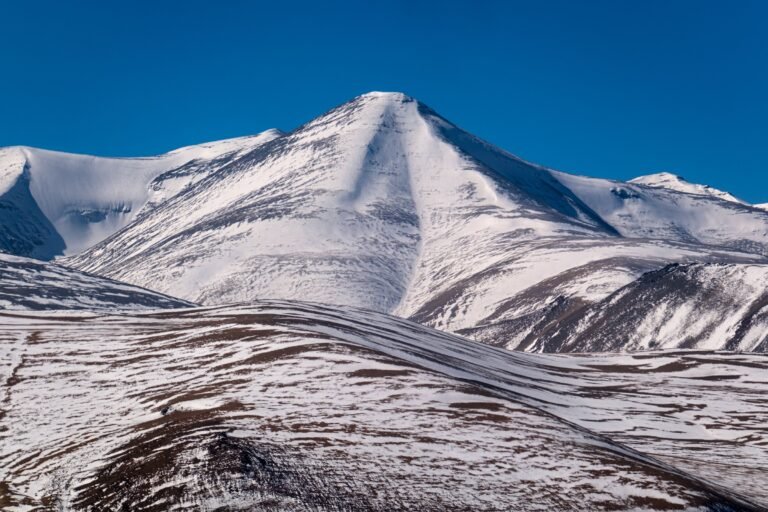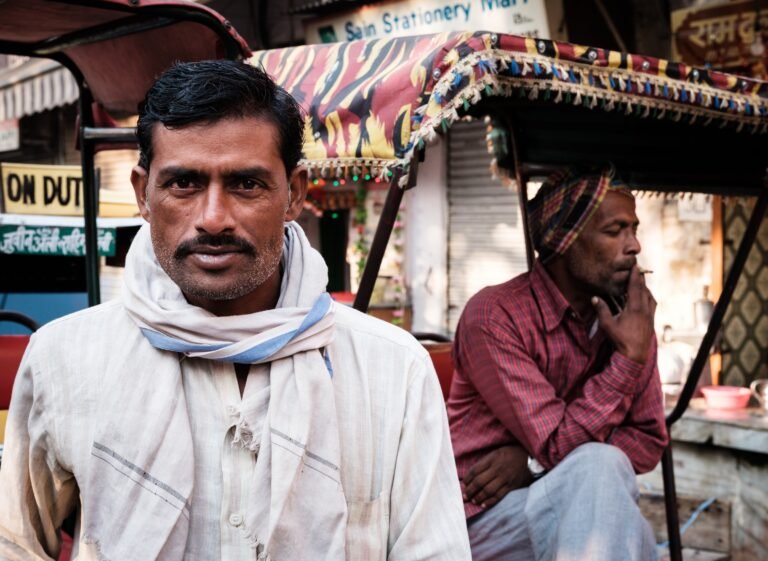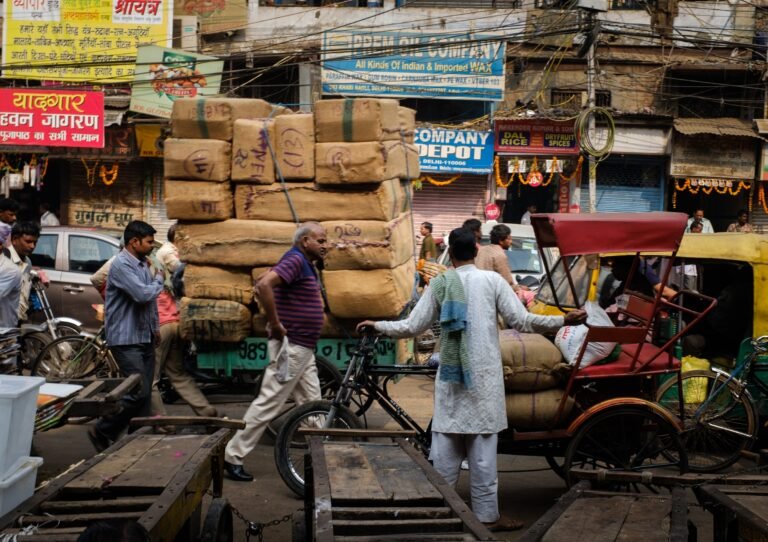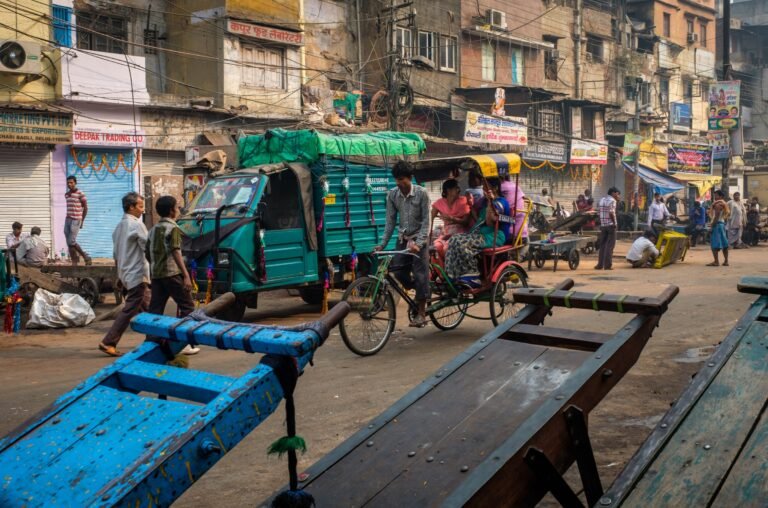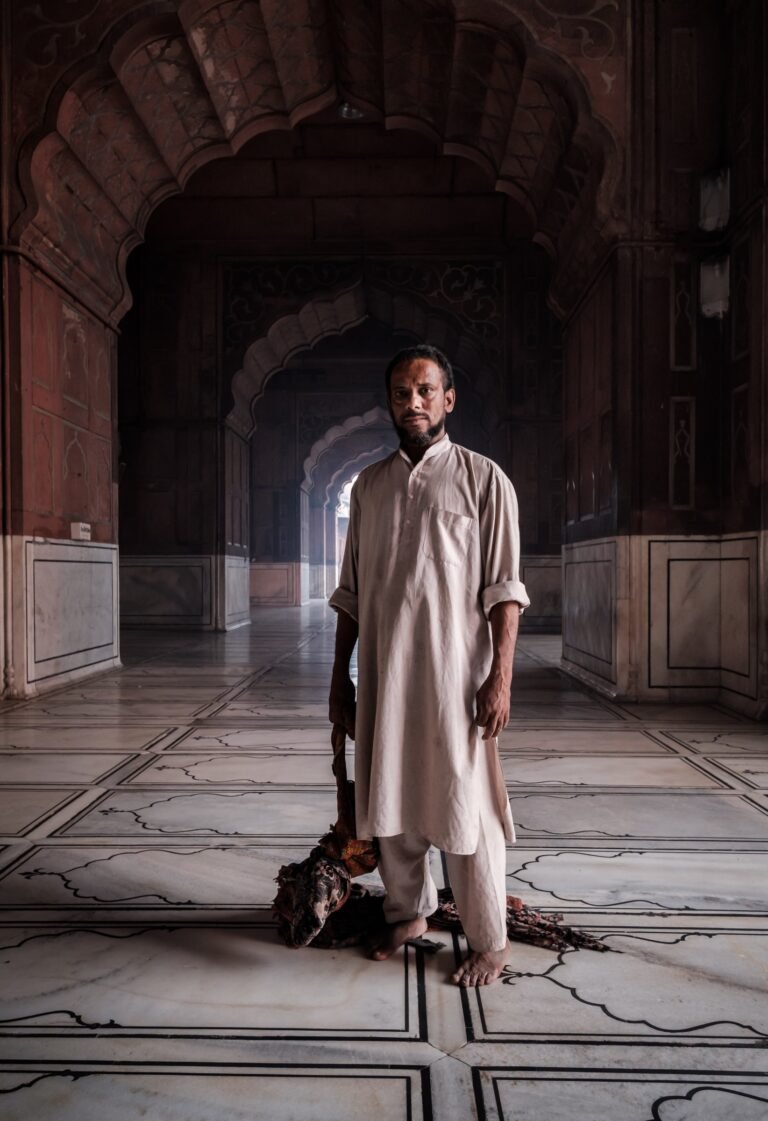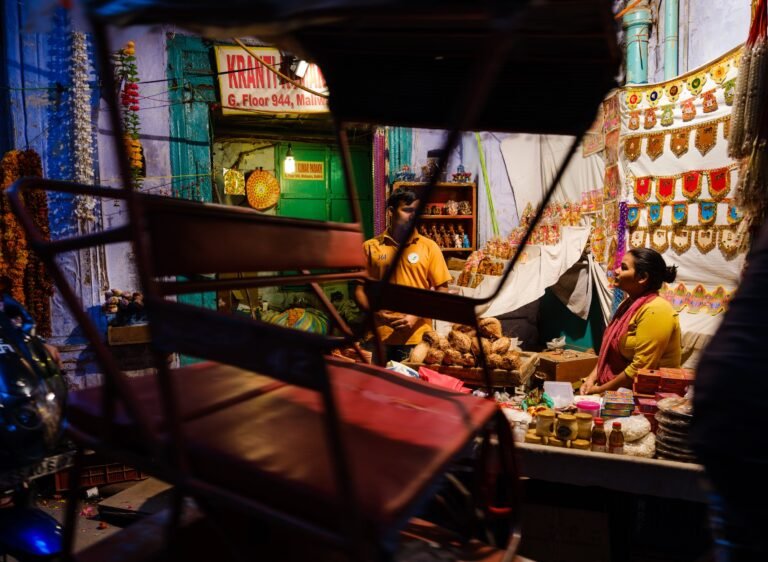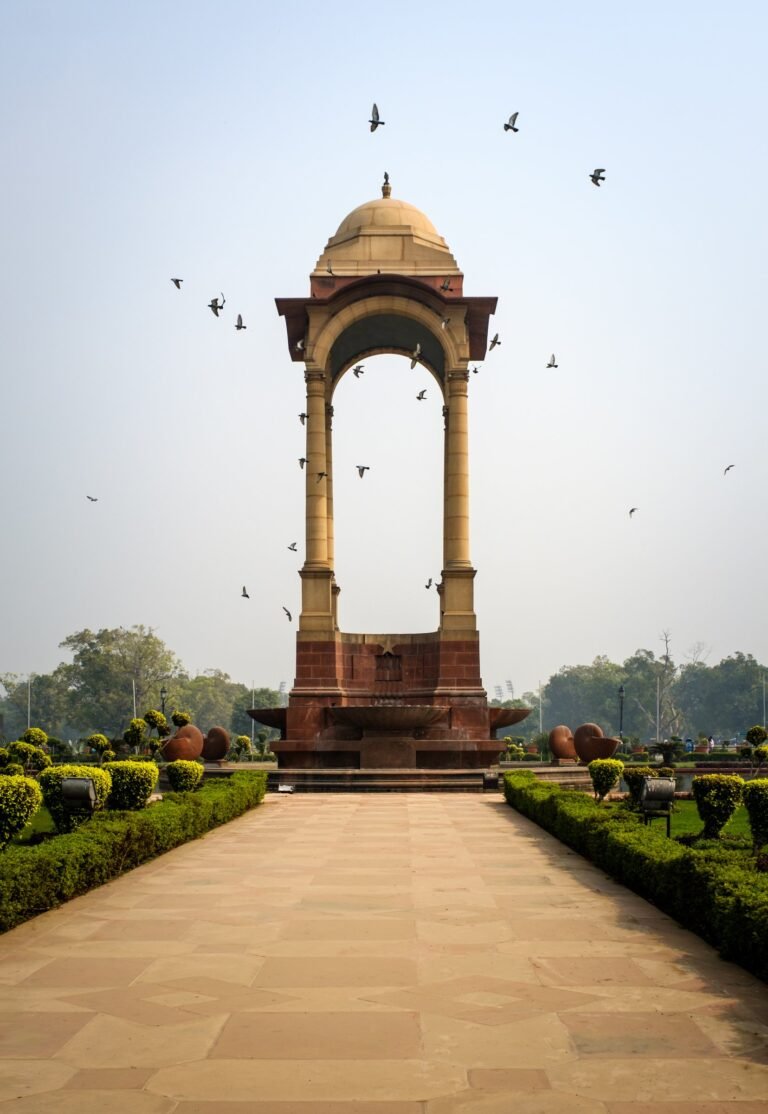
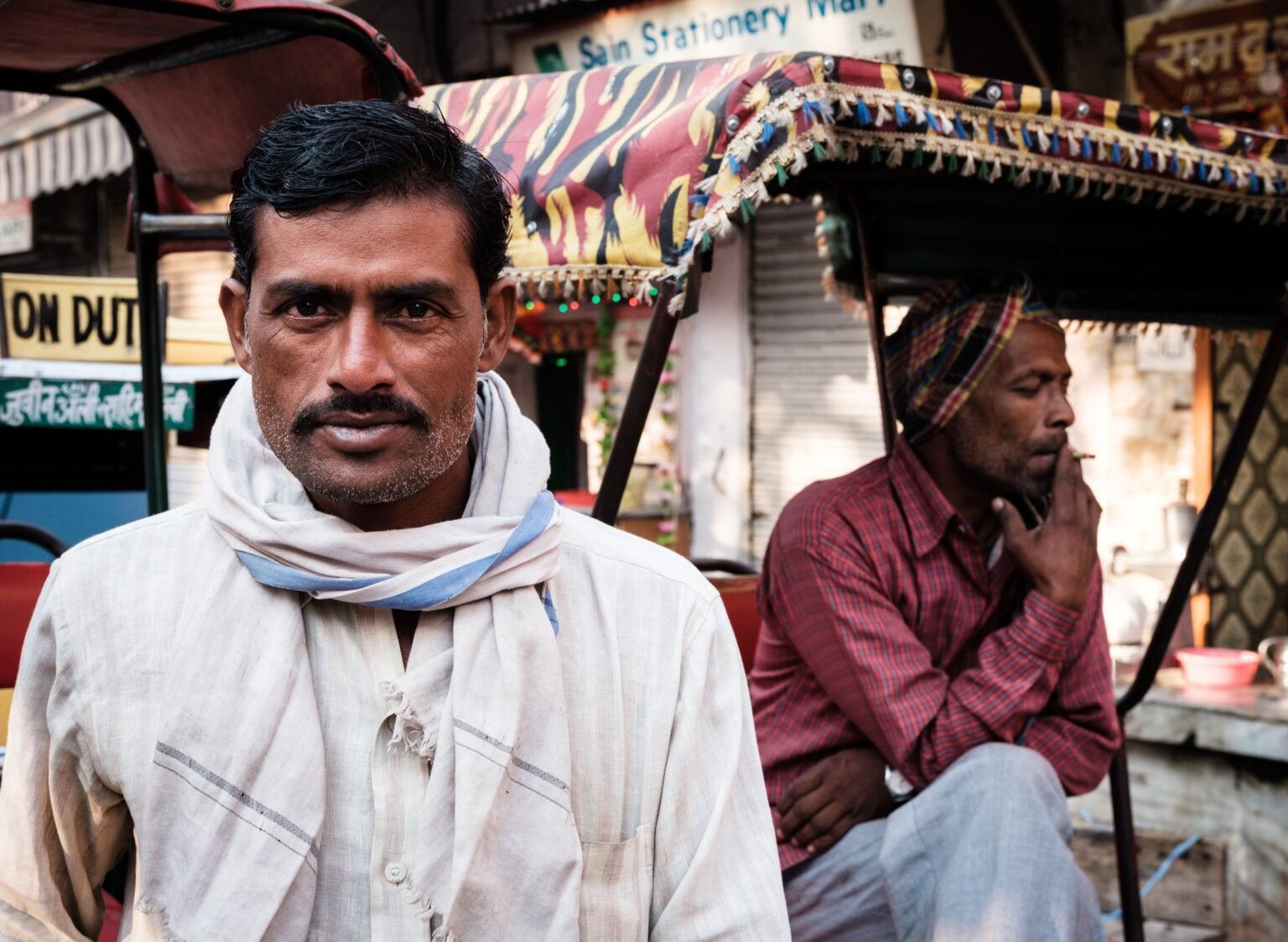
We begin every Ladakh departure in Old Delhi — two days before the flight north that serve as both an acclimatization to India and a shooting opportunity in their own right. The spice market and the lanes of Chandni Chowk before the city fully wakes, Jama Masjid in first light, the Tibetan colony at Majnu Ka Tilla mid-morning, and Humayun's Tomb in the late afternoon when the red sandstone goes warm and the Mughal geometry earns its reputation. Old Delhi is dense, layered, and endlessly generous to a camera — a strong start before the landscape opens up entirely when we fly into the Indus Valley the following morning.
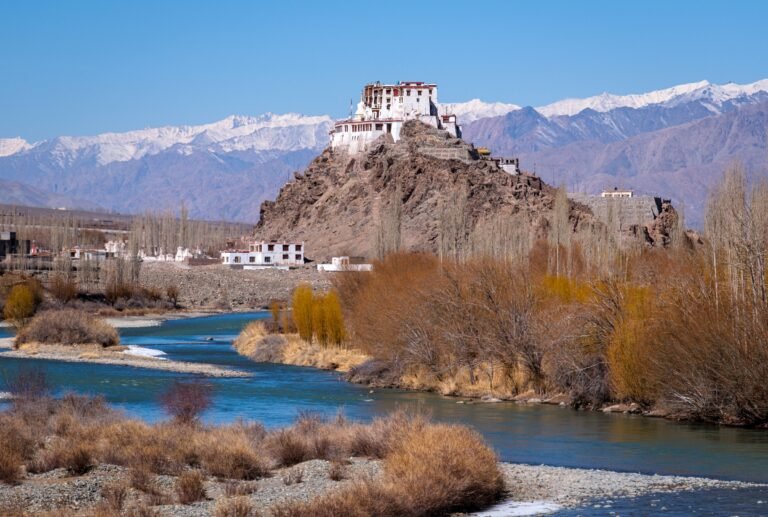
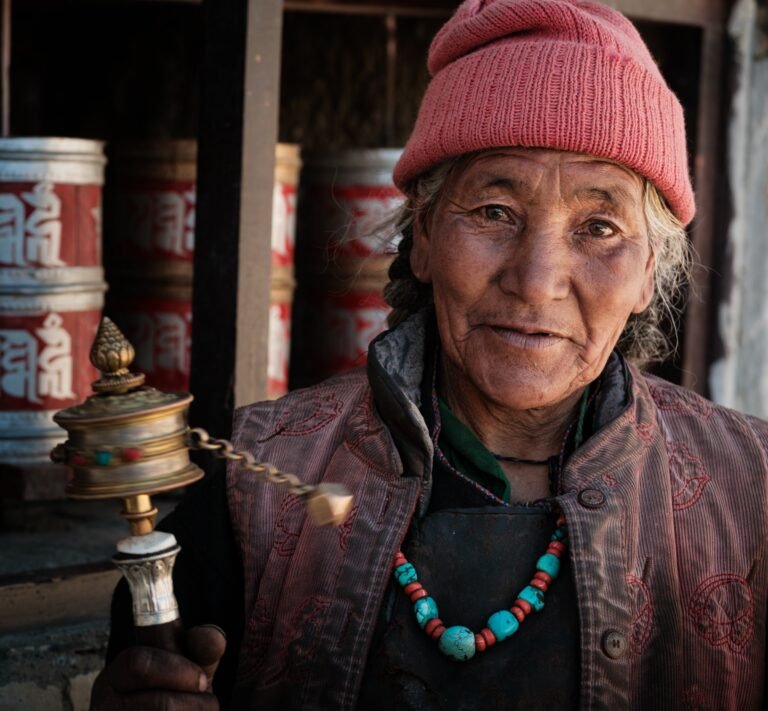
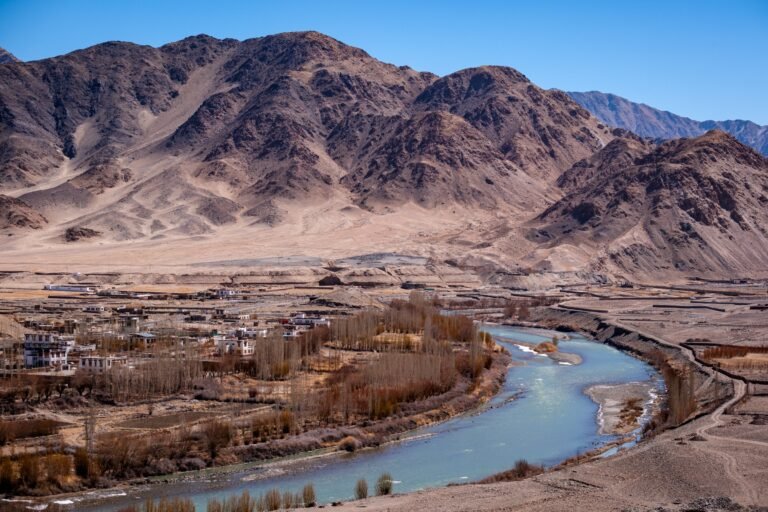
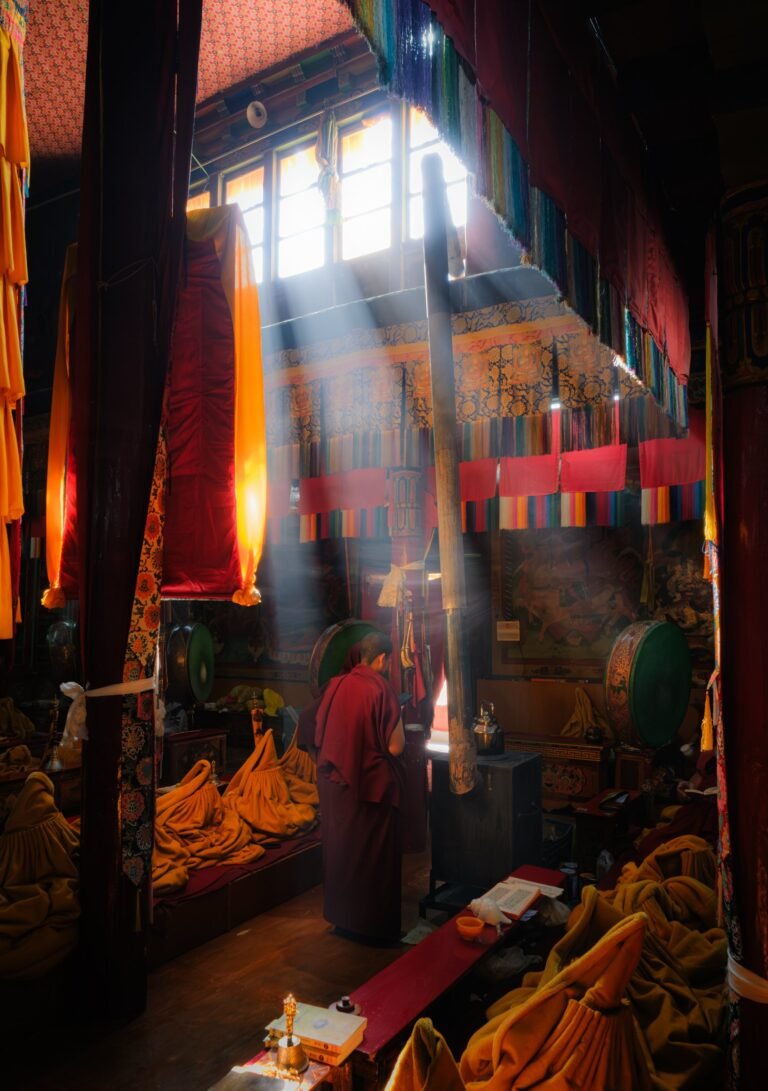
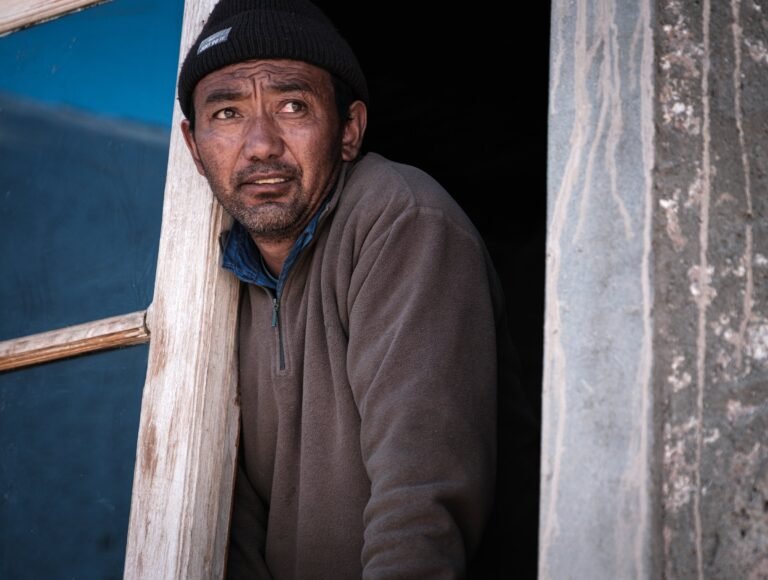
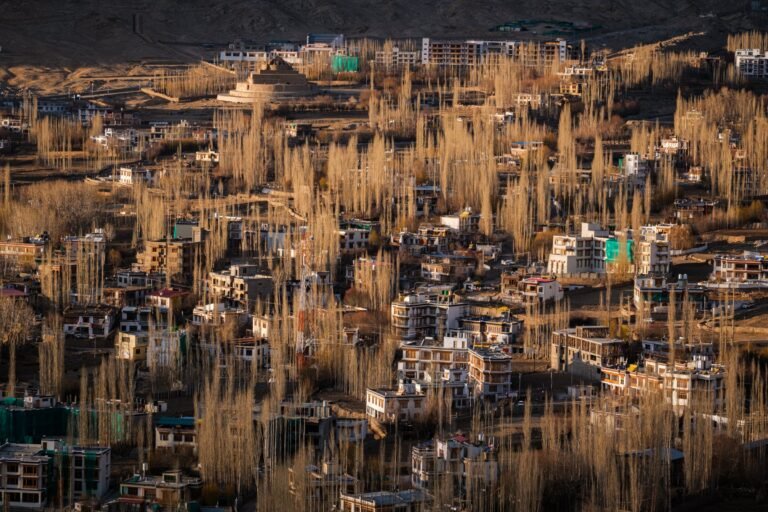
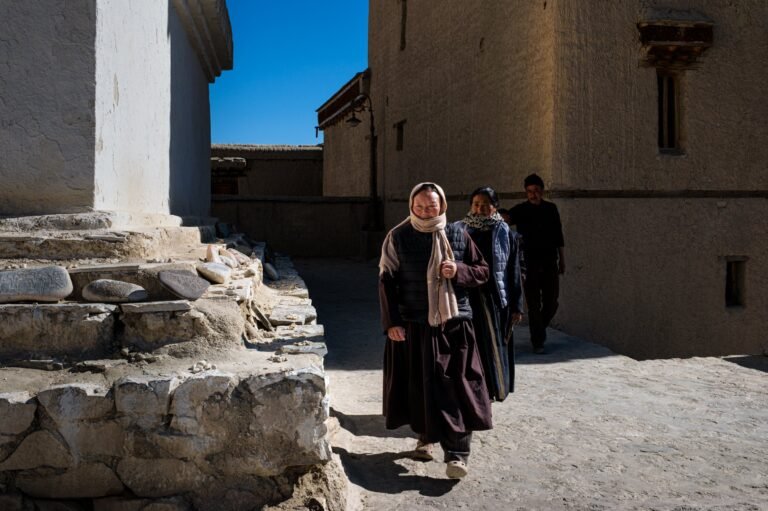
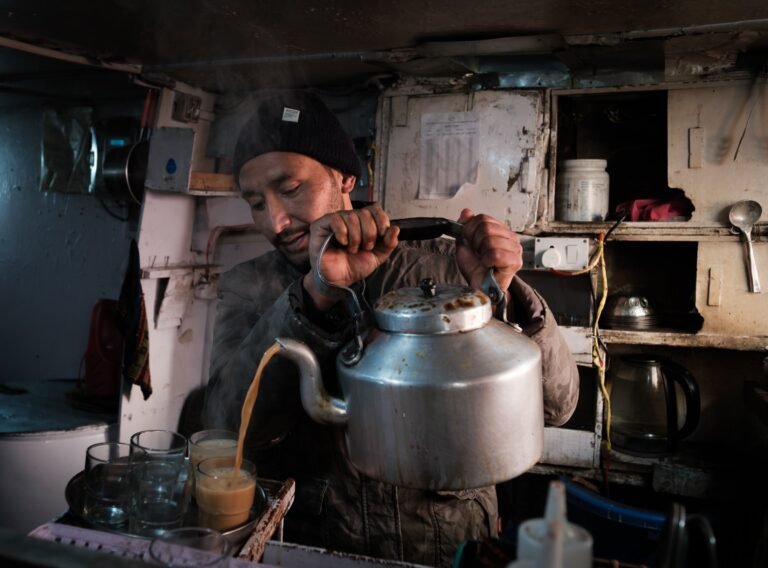
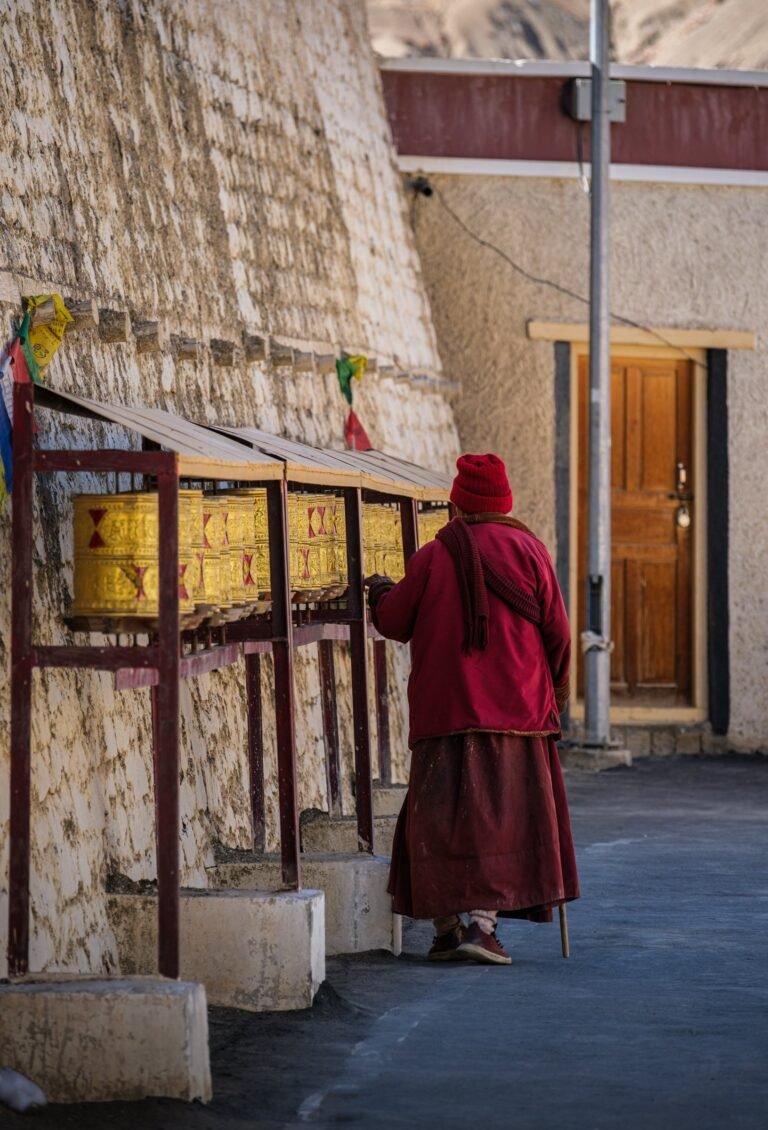
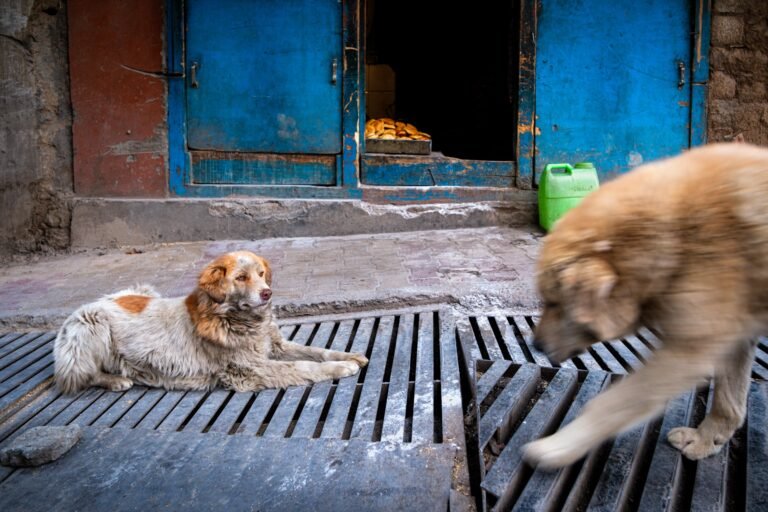
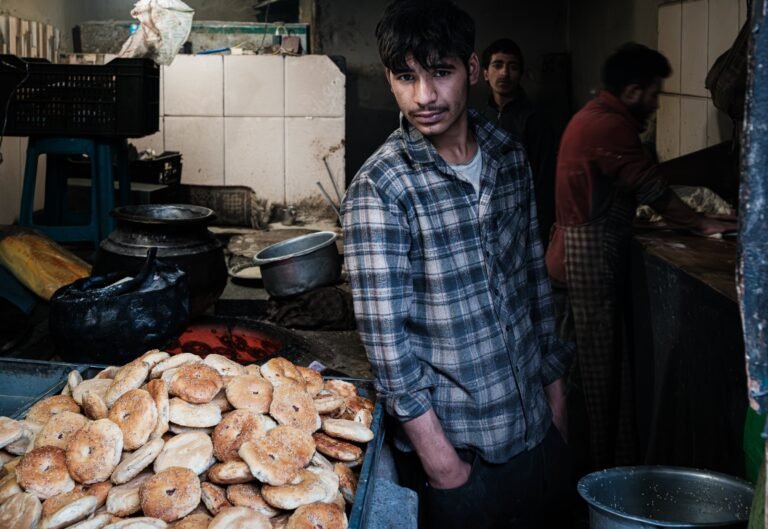
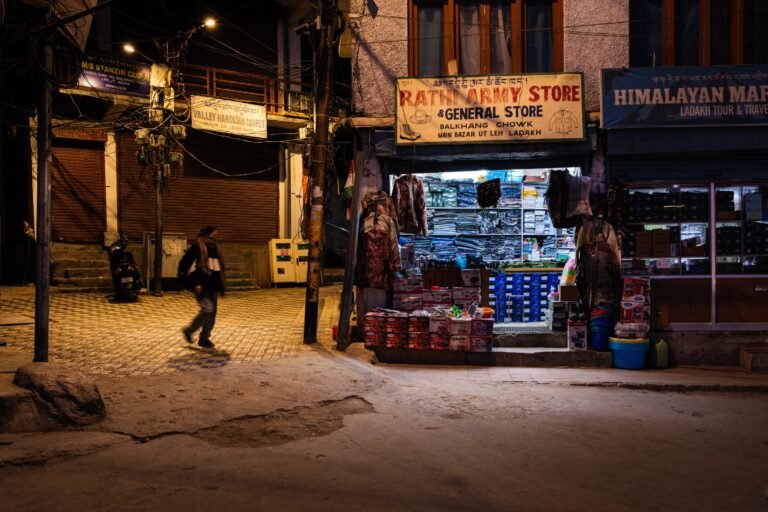
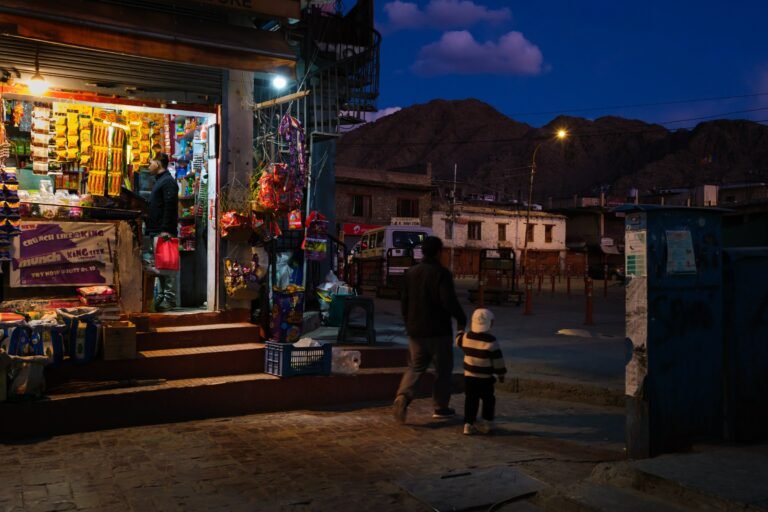
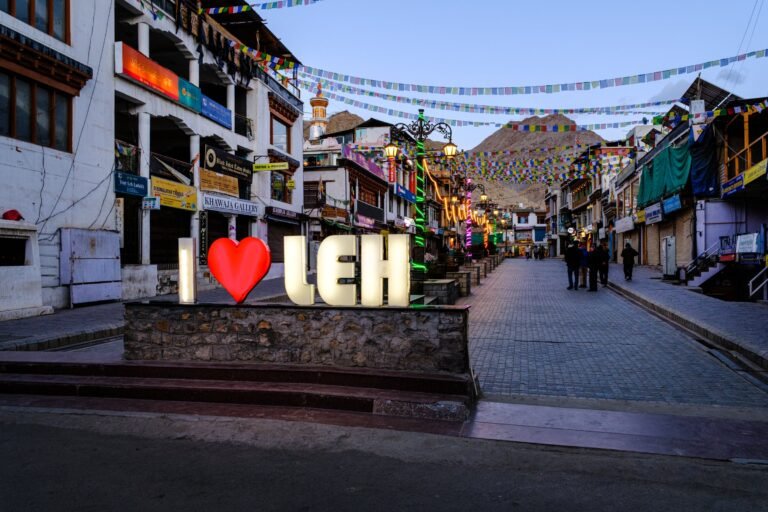
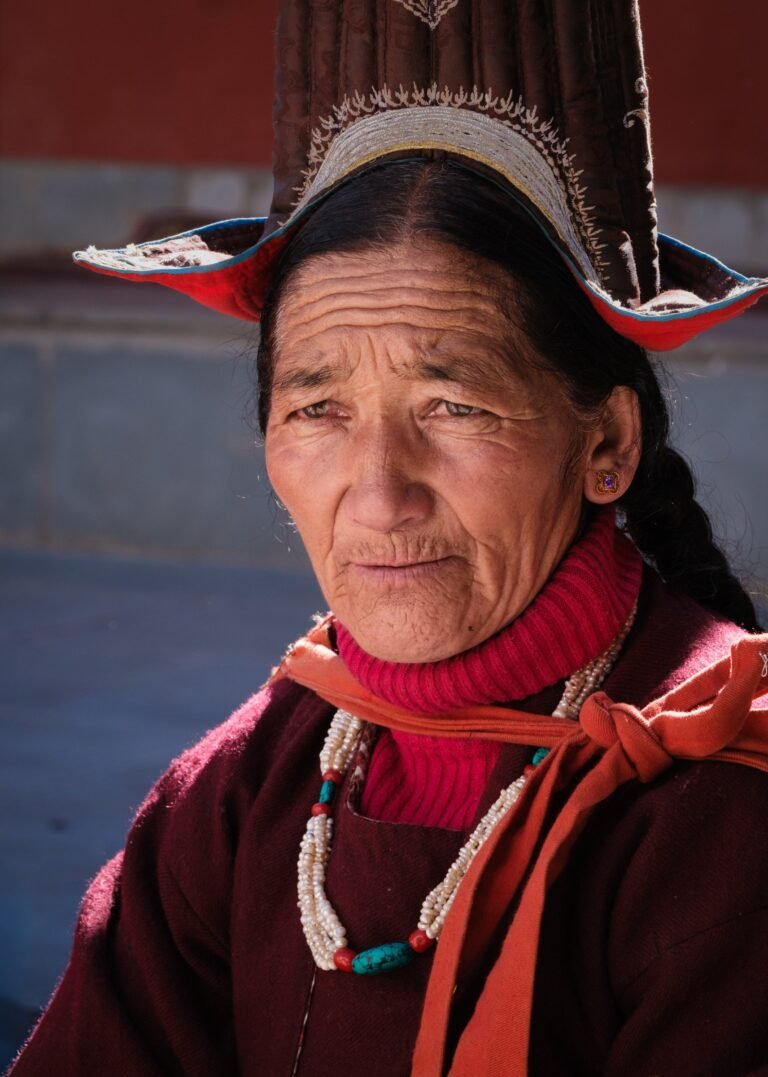
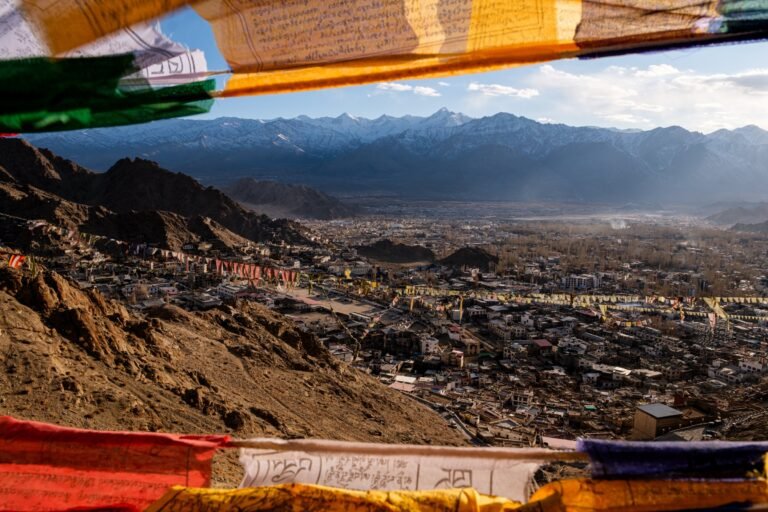
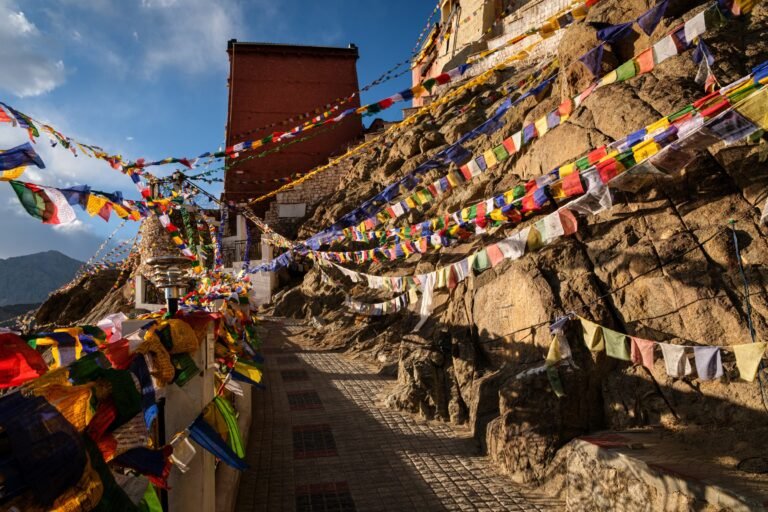
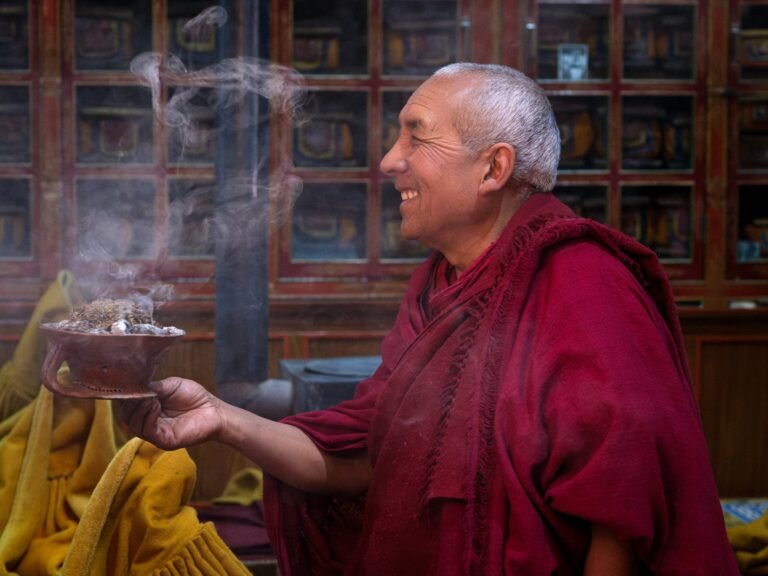
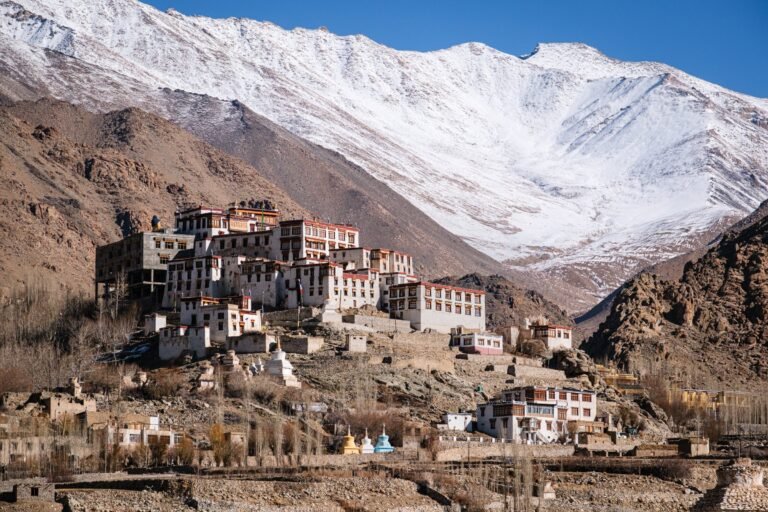
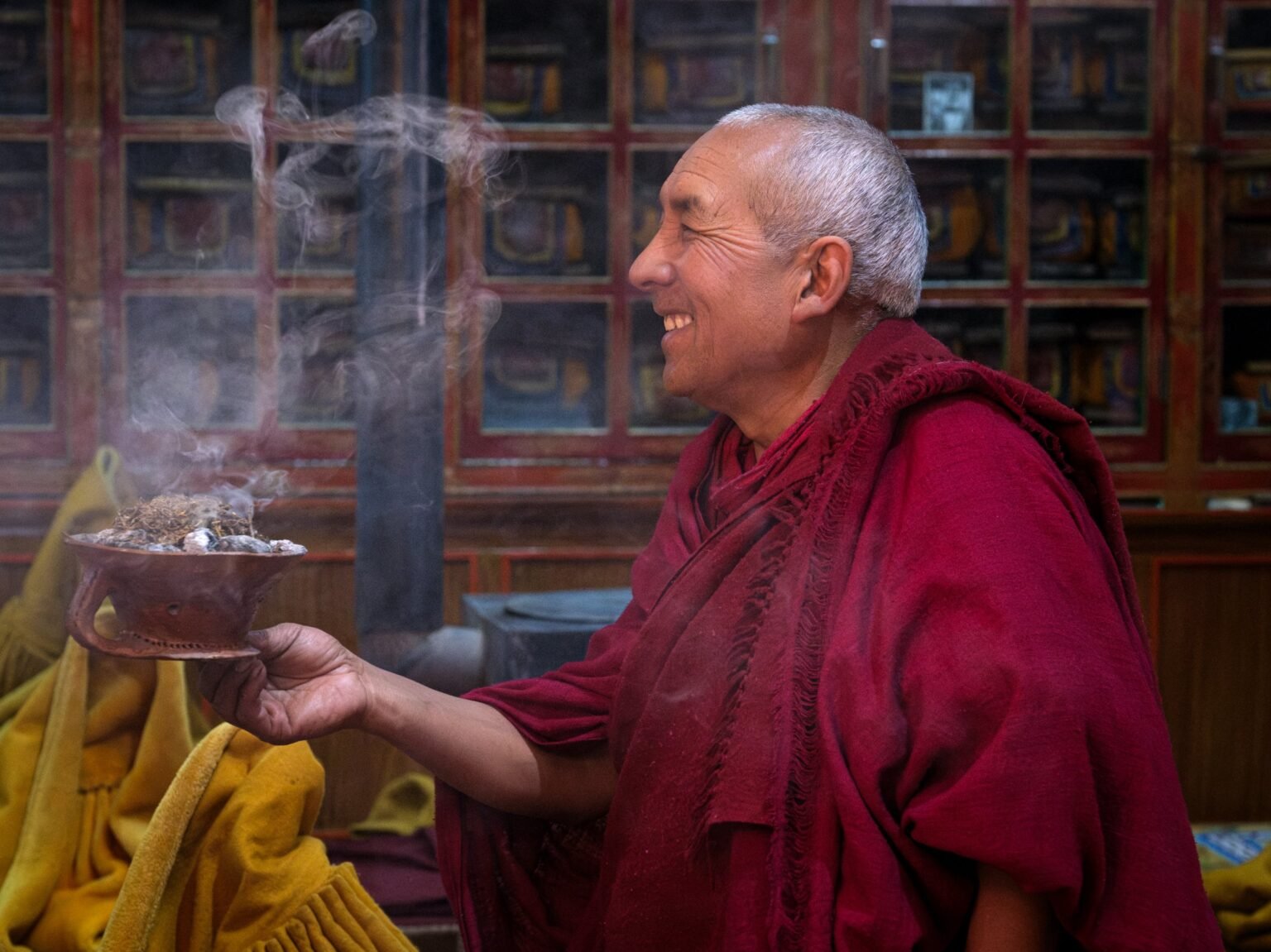
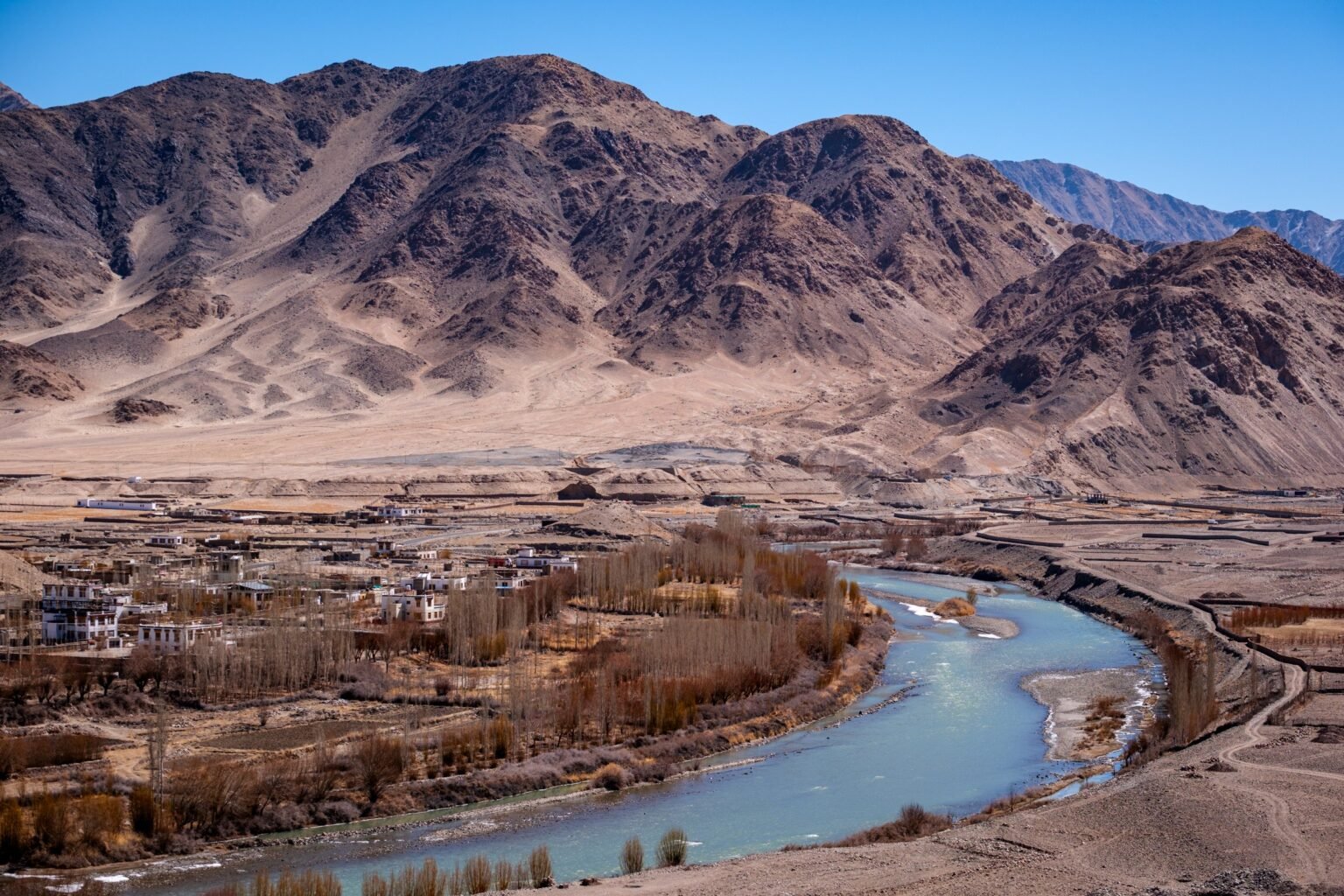
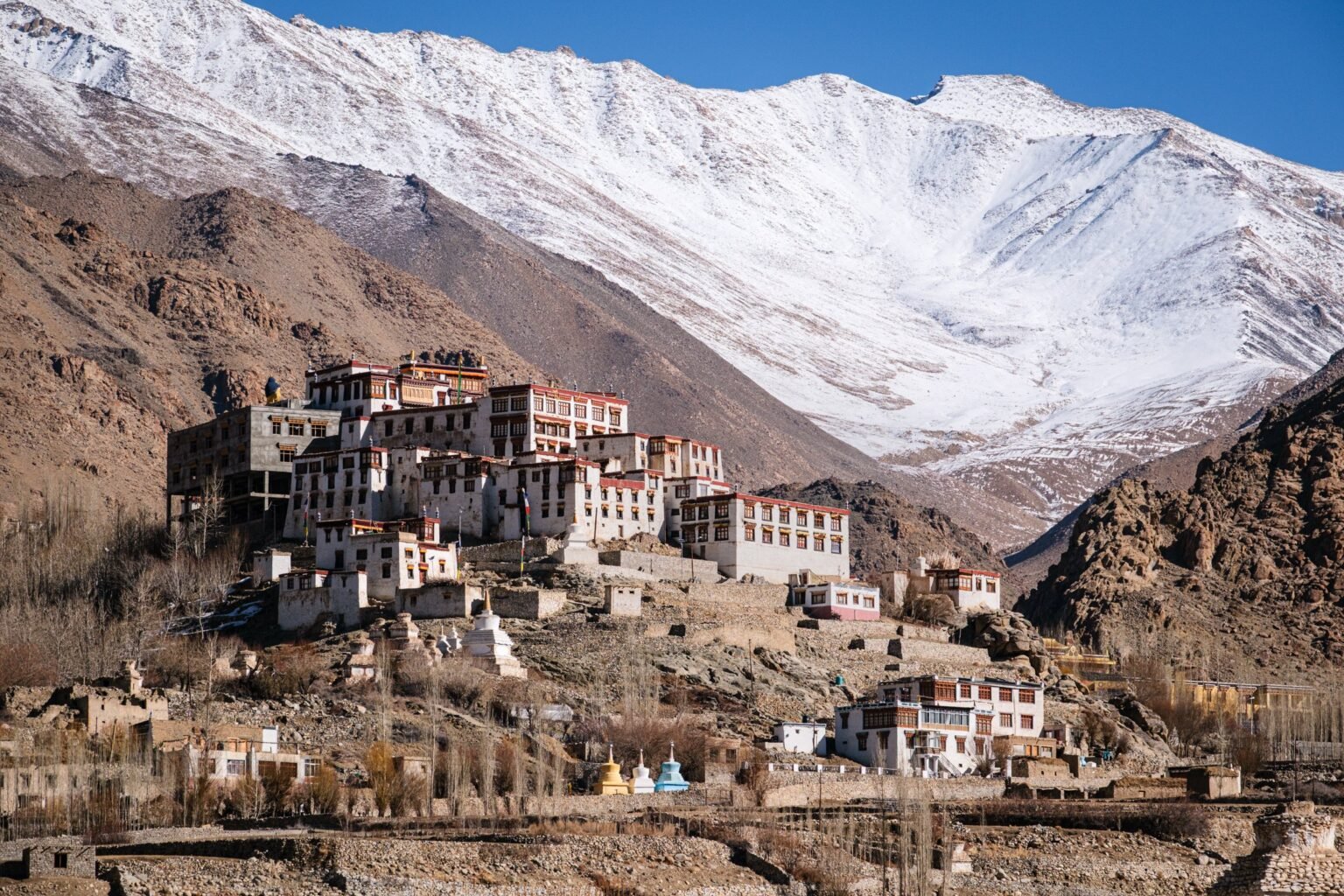
The photography around Leh divides neatly between the old town and the monastery circuit, and both reward an early start. In Old Leh, the bread makers are at their clay ovens before dawn — it's one of the most intimate shoots of the trip, portraits and street scenes in soft light before the market fills. The monastery circuit runs through the Indus Valley: Thiksey for the morning prayer ceremony, where tea is served inside the hall and the combination of butter lamps, low light, and chanting produces the portrait conditions the trip is largely built around; Hemis in its dramatic cliff-sided valley; and Shey Palace and Stakna on their rocky outcrops above the river.
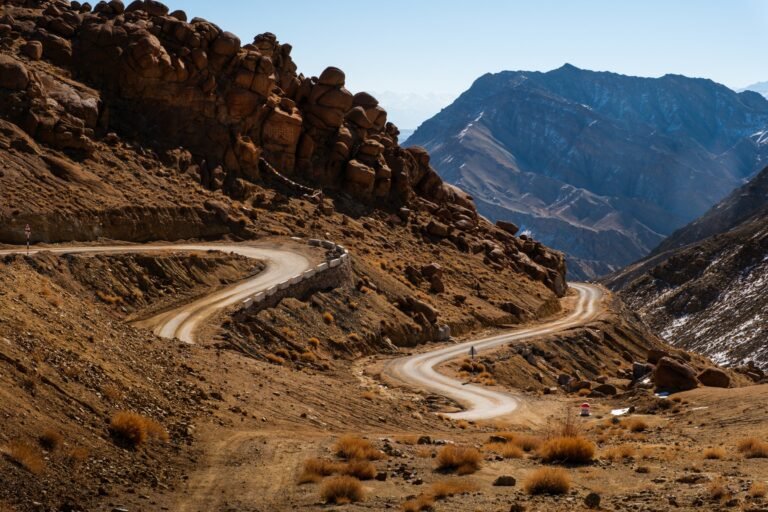
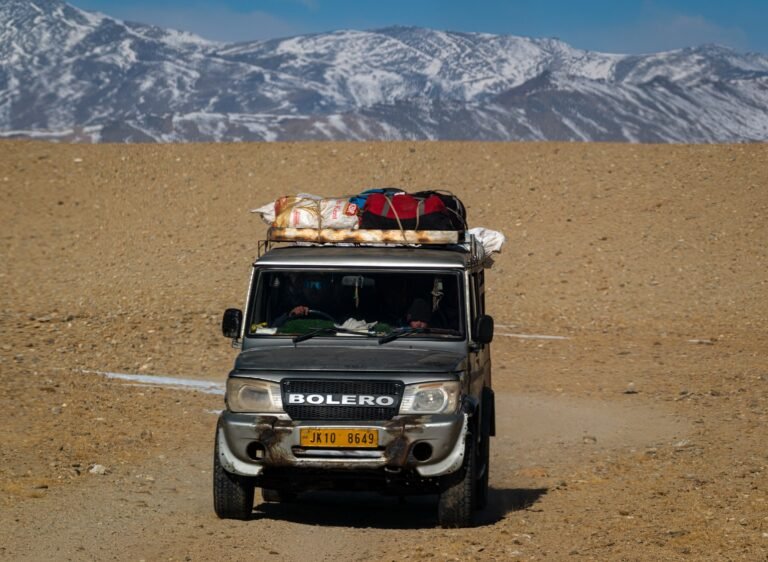
From Leh the route climbs north over Khardung La — one of the highest driveable passes in the world — and drops into Nubra Valley, where the landscape does something unexpected: sand dunes appear at the foot of snow peaks, and Bactrian camels work the desert floor with the Karakoram behind them. We photograph Diskit Monastery and the great Maitreya Buddha presiding over the valley, then position at the Hunder dunes in the afternoon for the session that defines this stretch of the trip — a pre-arranged portrait shoot with the camel handlers in traditional dress, tea served on the dunes as the light drops toward golden hour. Nubra is also simply one of the more beautiful valleys in Ladakh, and the evenings here, with the Shyok River catching the last of the light, are worth the drive over the pass on their own.
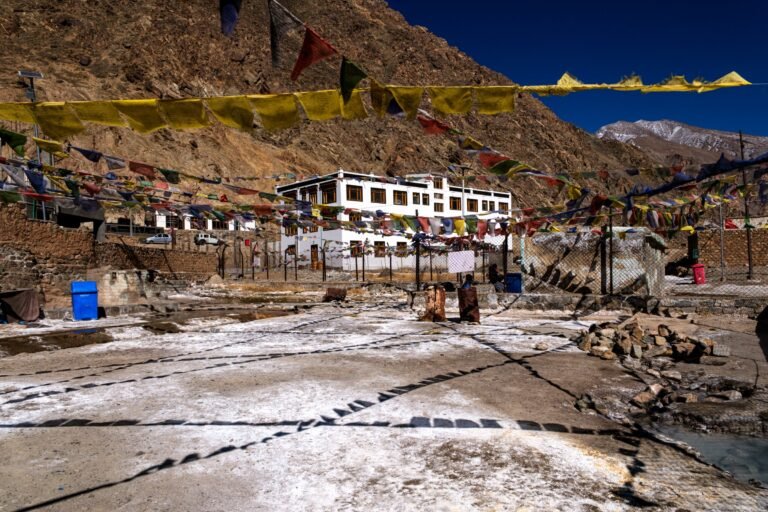
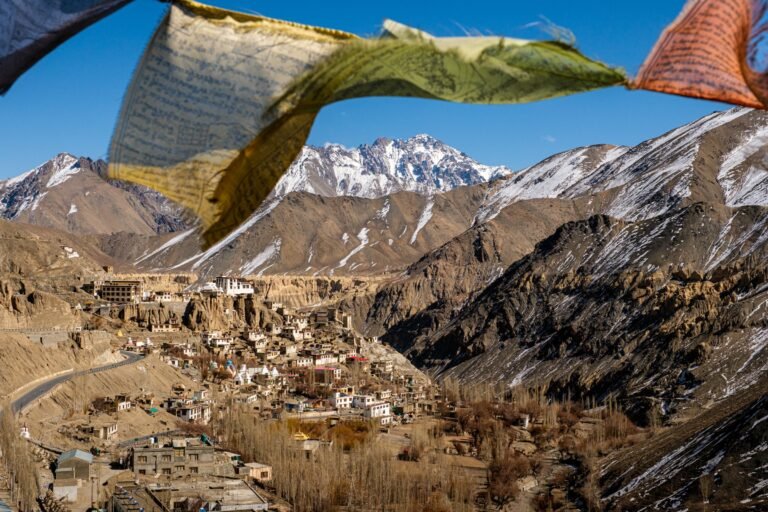
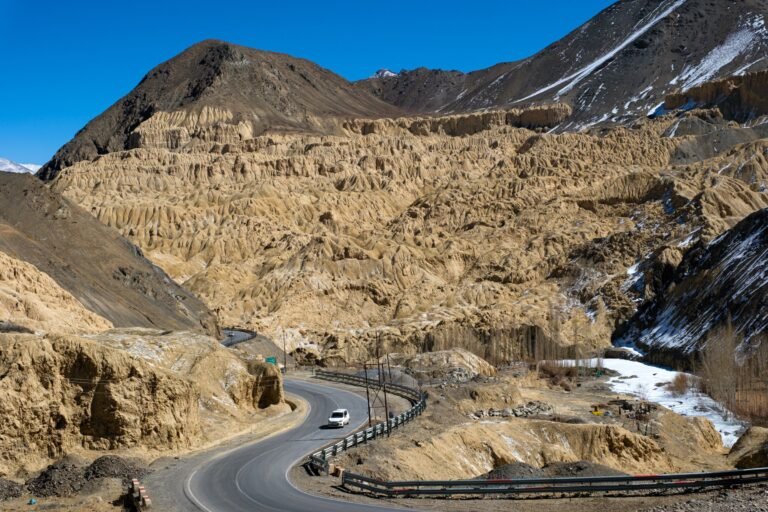
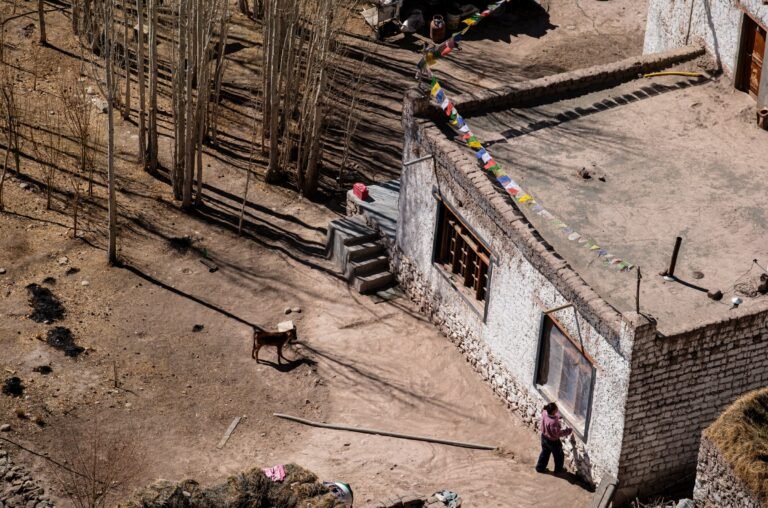
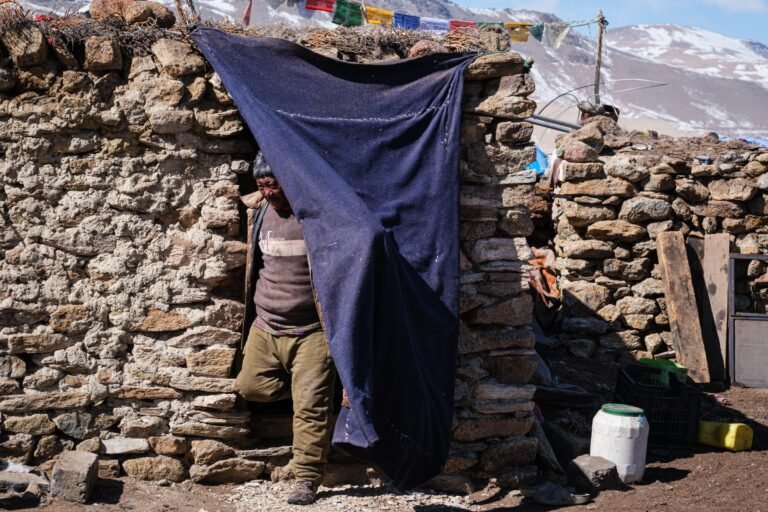
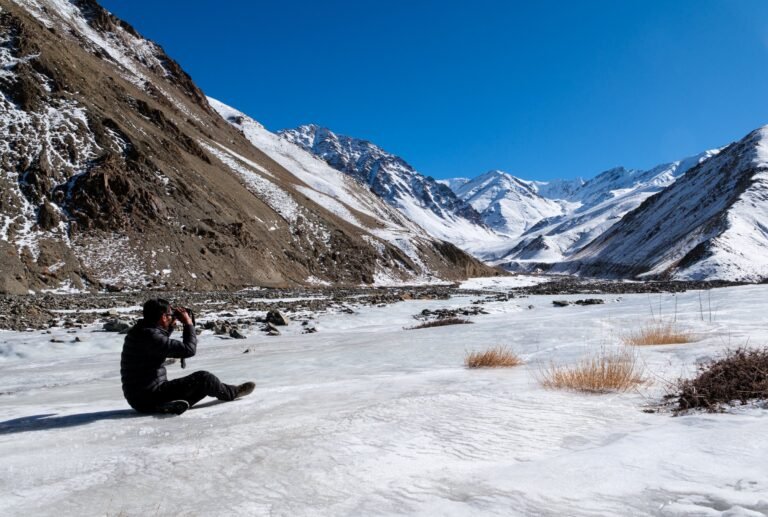
From Pangong the route crosses the high plateau to Tsokar, where the salt flats stretch out under an unobstructed sky and the reflections hold still in the early light. The drive back toward Leh passes through the Pang-chen valley, where we stop to spend time with a Changpa nomadic family — tea inside a yak-hair tent, portraits, interiors, and the unhurried texture of a life built around seasonal movement. The final leg runs west along the Indus: Alchi for its 11th-century murals, the moonscape and clifftop monastery at Lamayuru, and two mornings in the Aryan Valley among flower-headdressed villagers and apricot orchards before we close at Ule and make the short drive back to Leh.