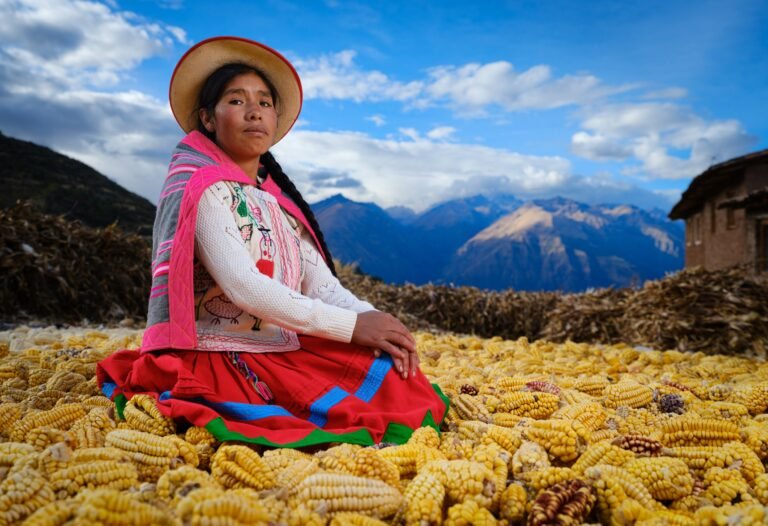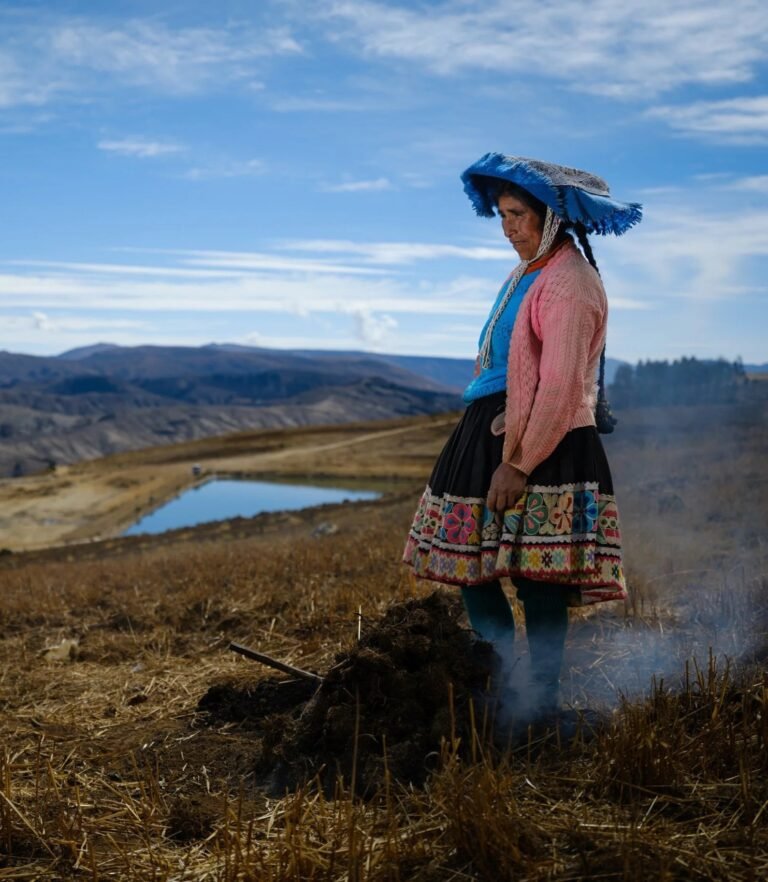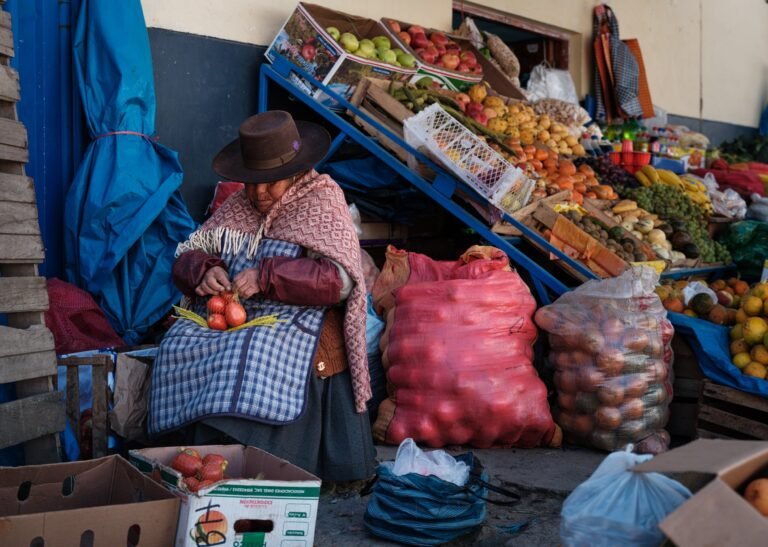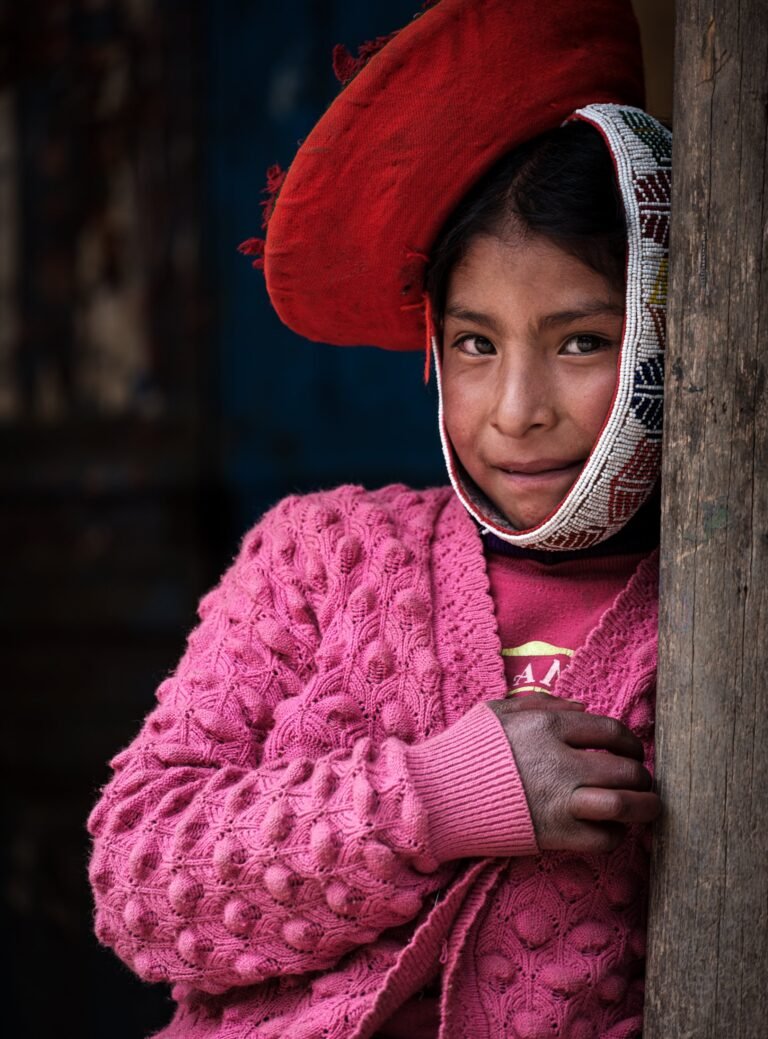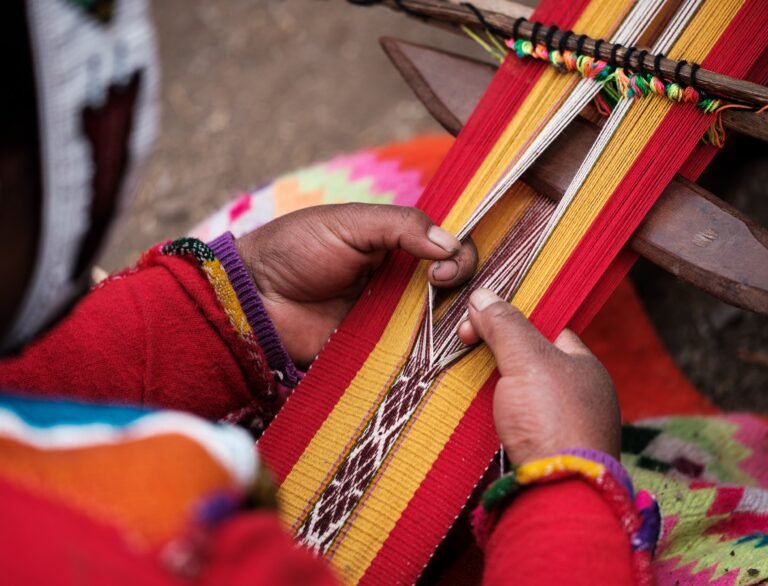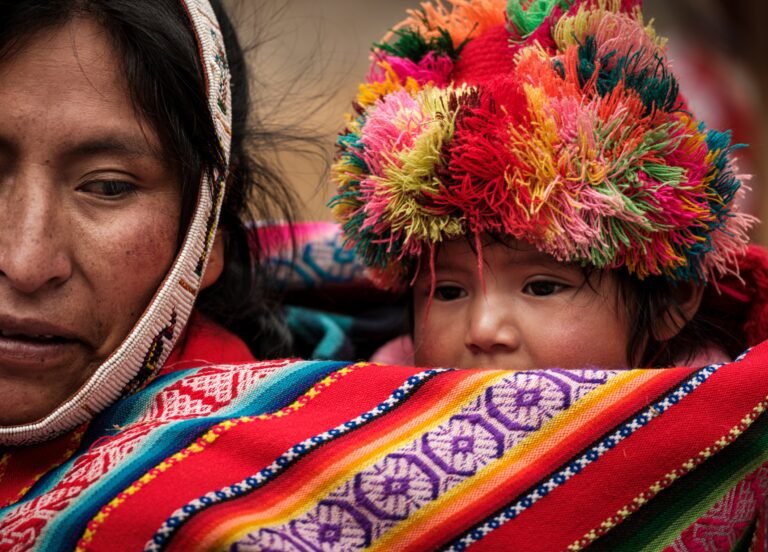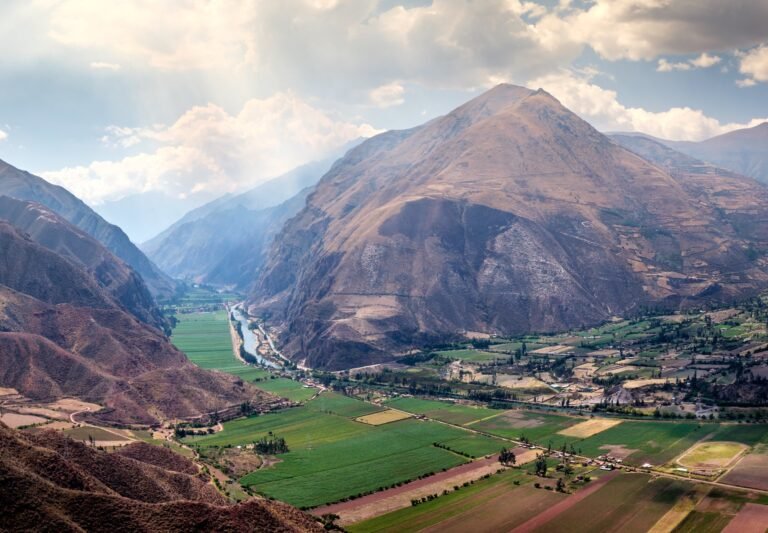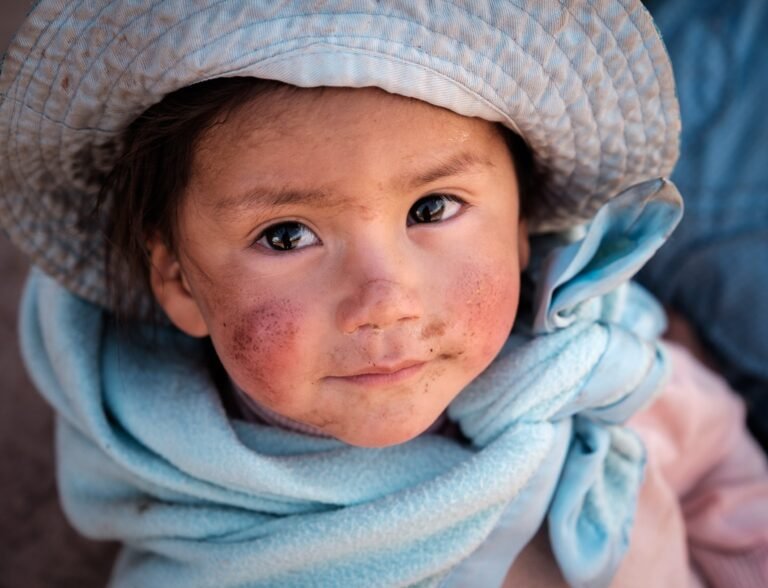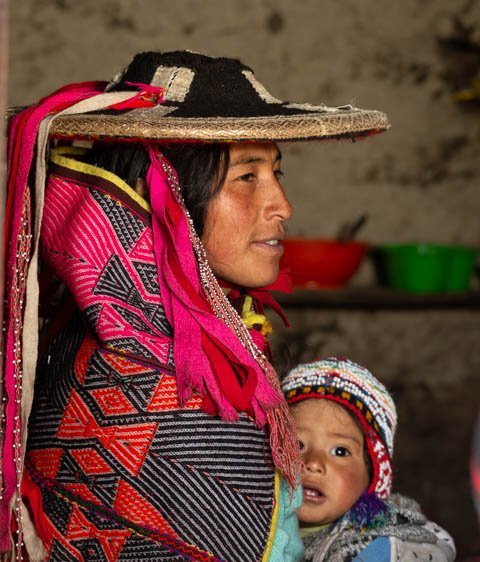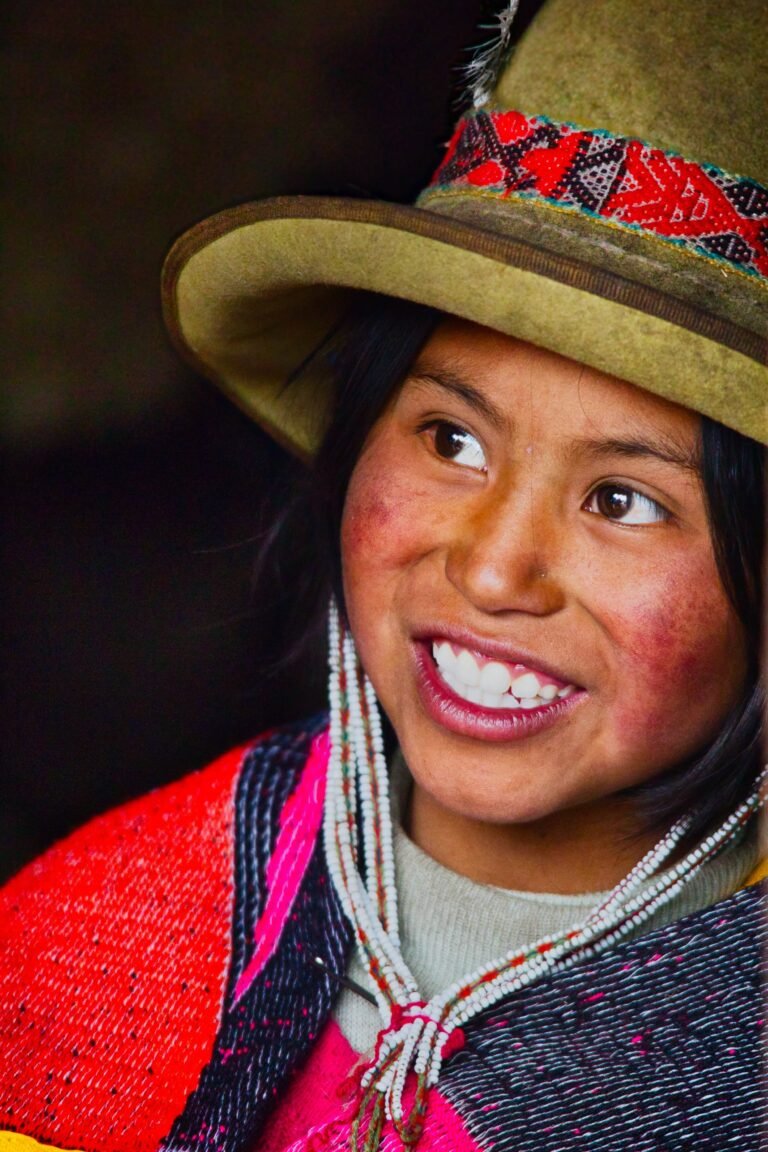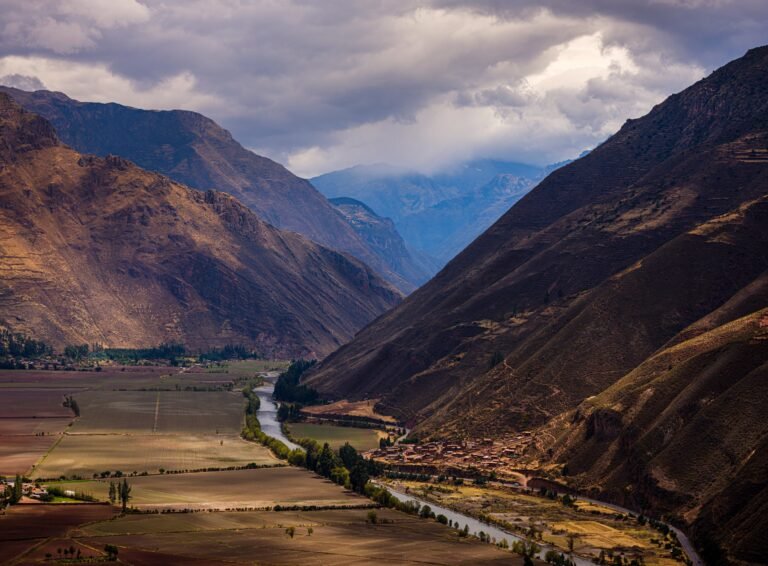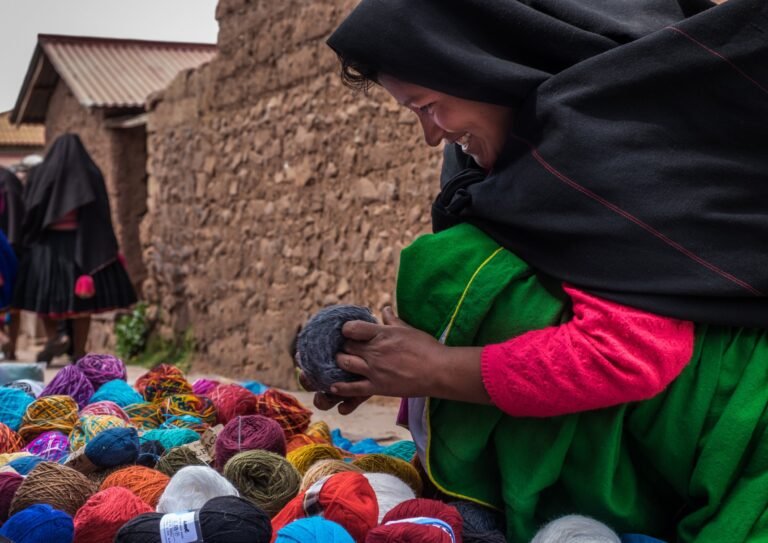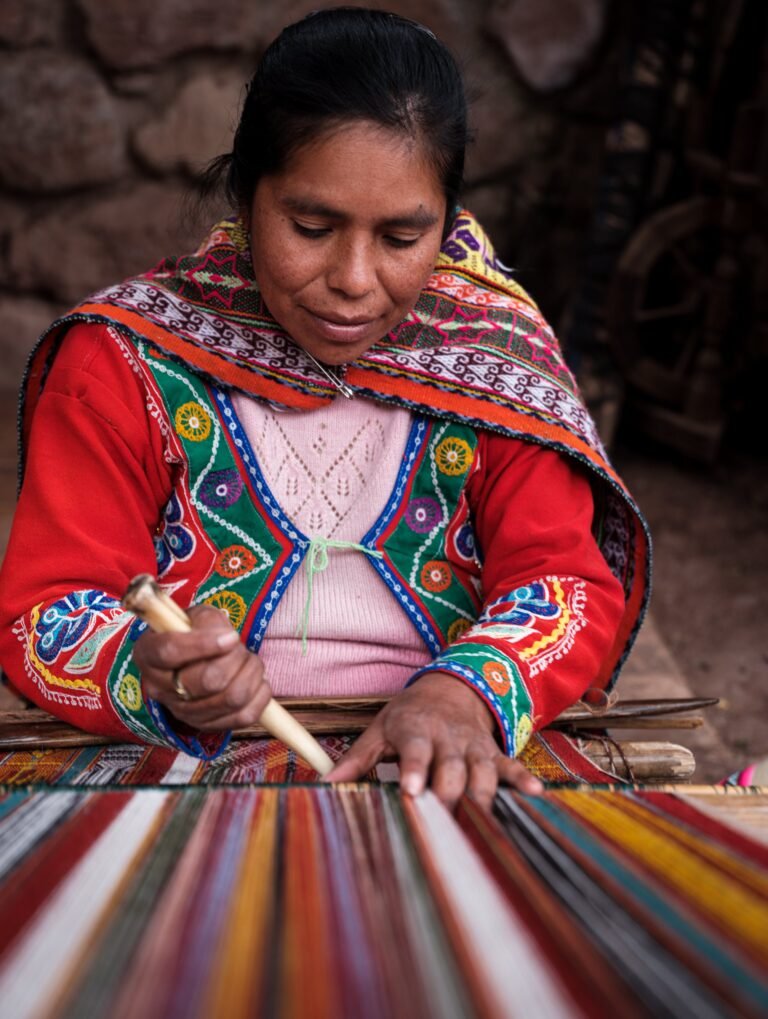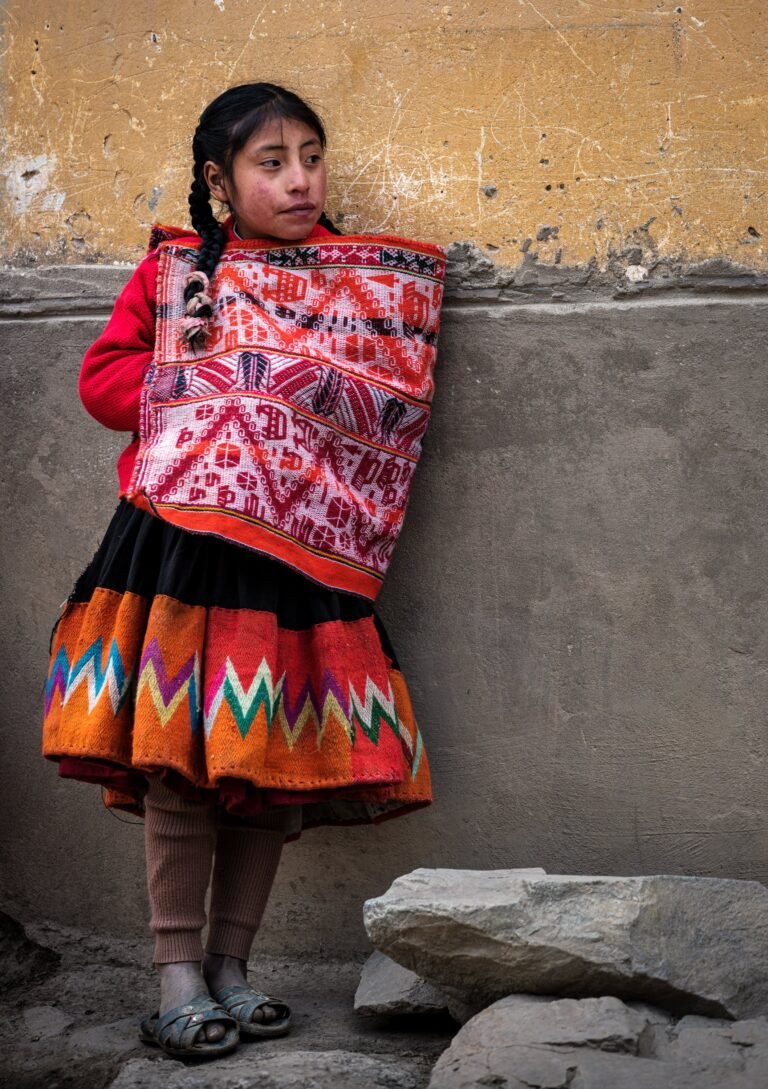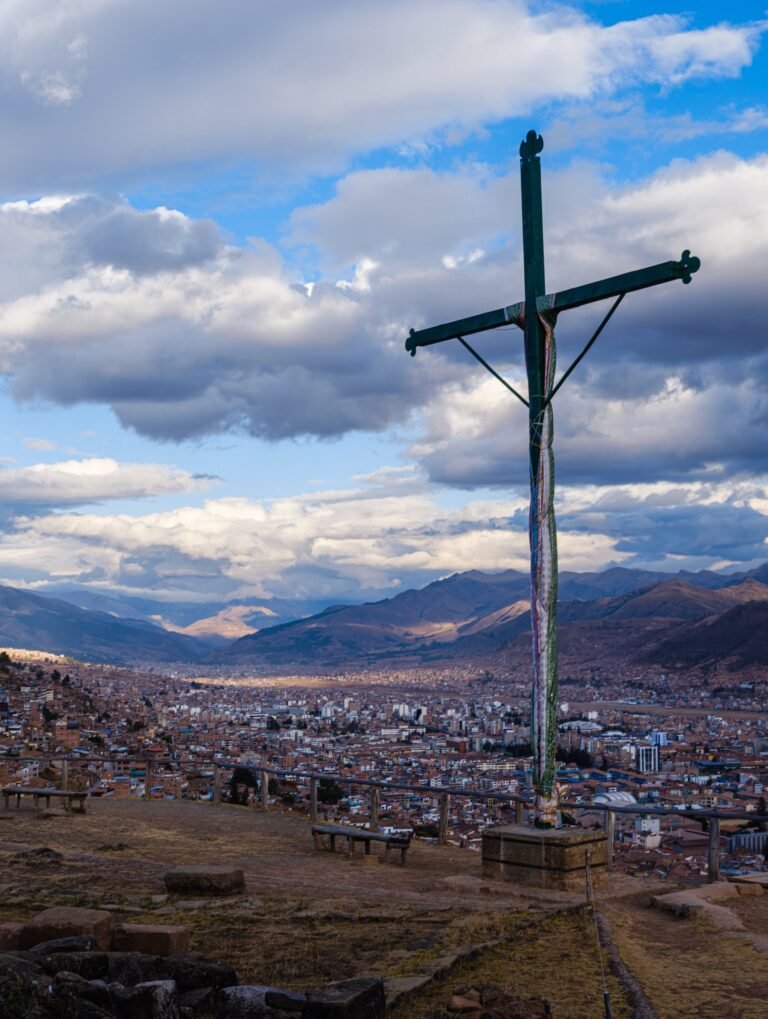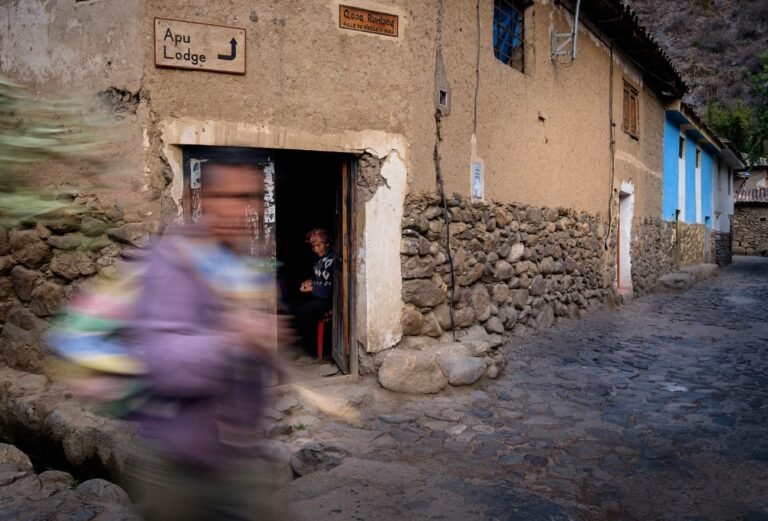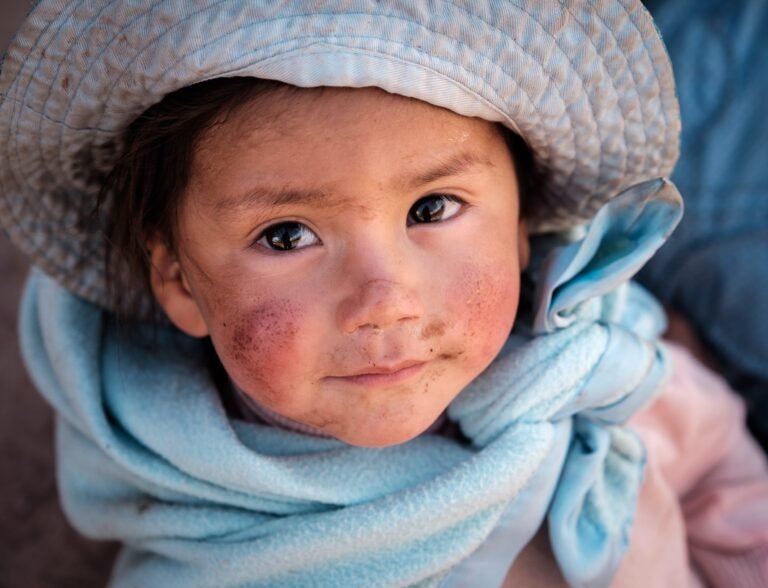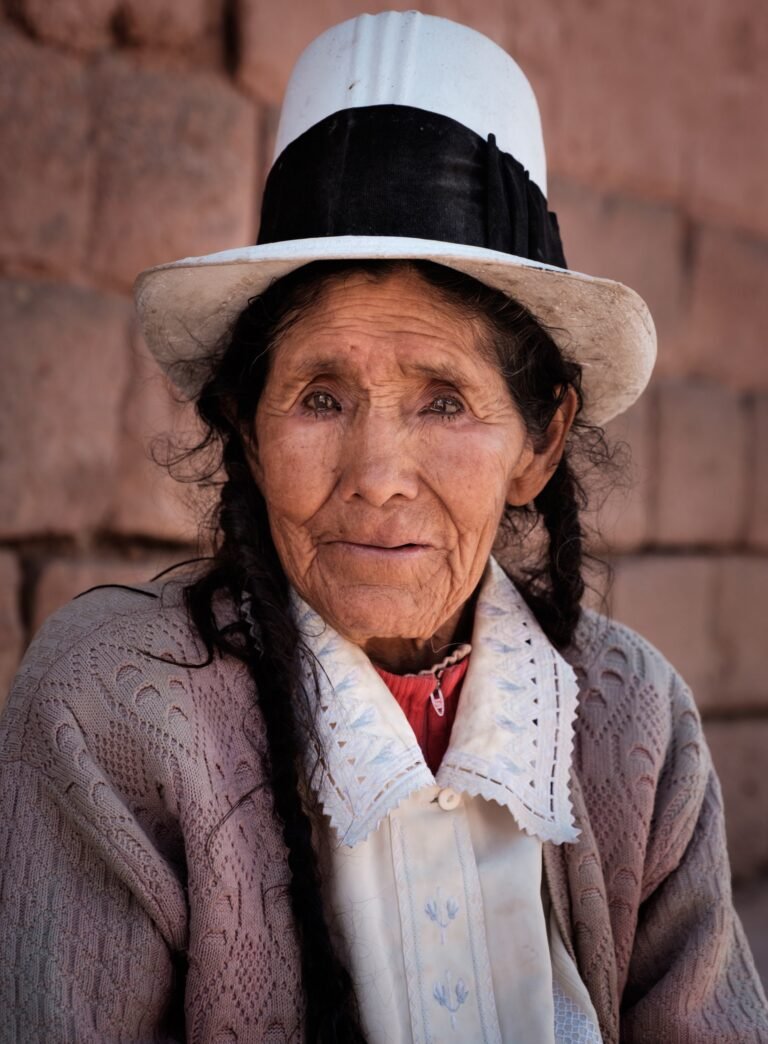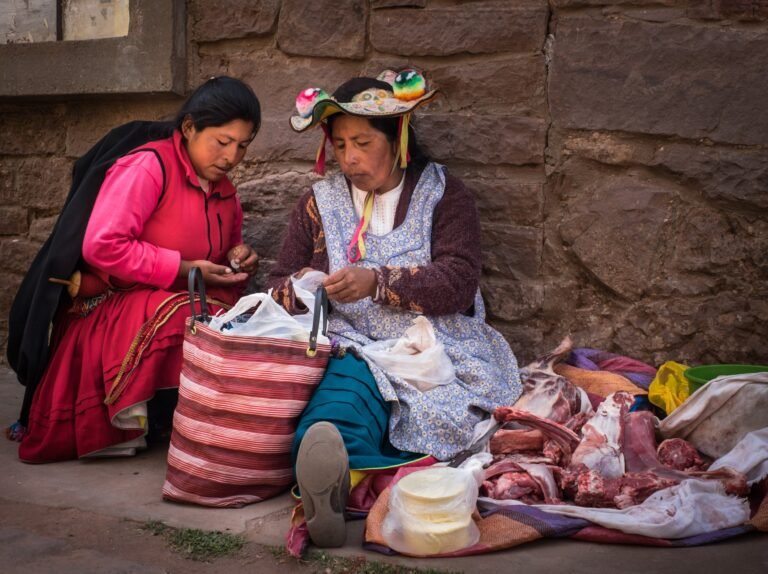
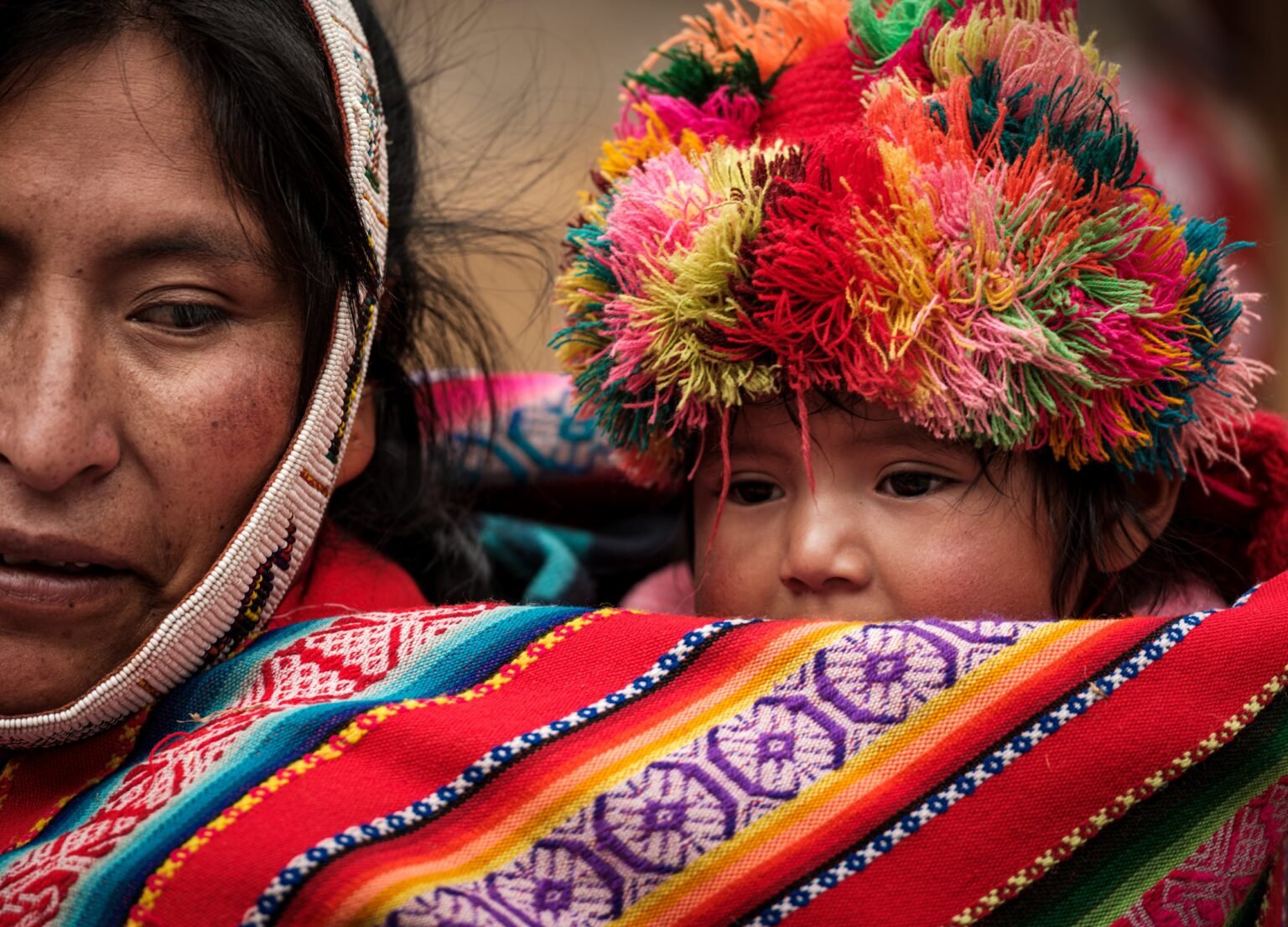
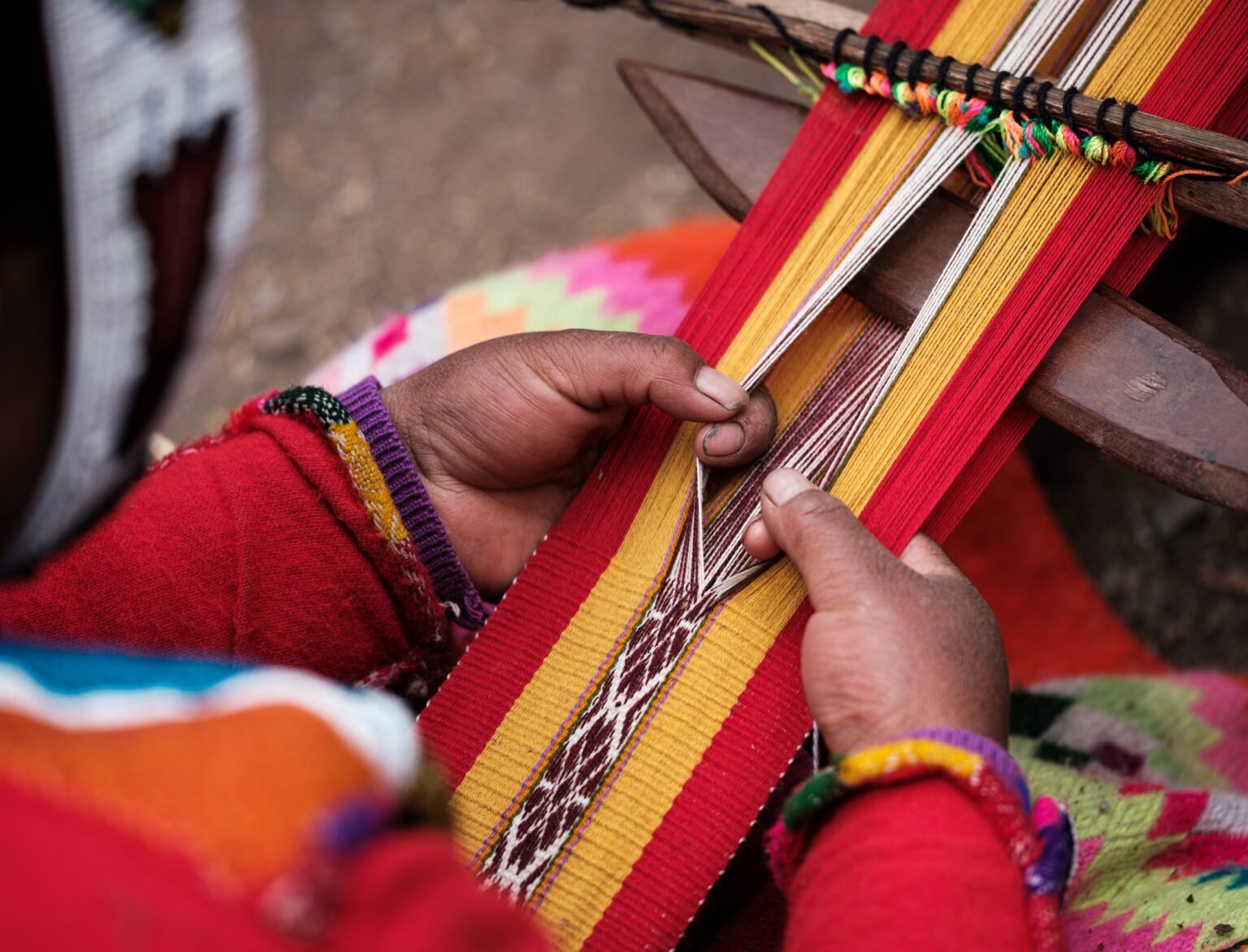
Perched above Ollantaytambo at 3,800m (12,470ft), Willoq is a Quechua weaving community where the textile traditions have never needed preserving — they simply never stopped. The women here work backstrap looms using dyes drawn from cochineal, indigo, and plants gathered from the surrounding hillsides, the same way their grandmothers worked before them.
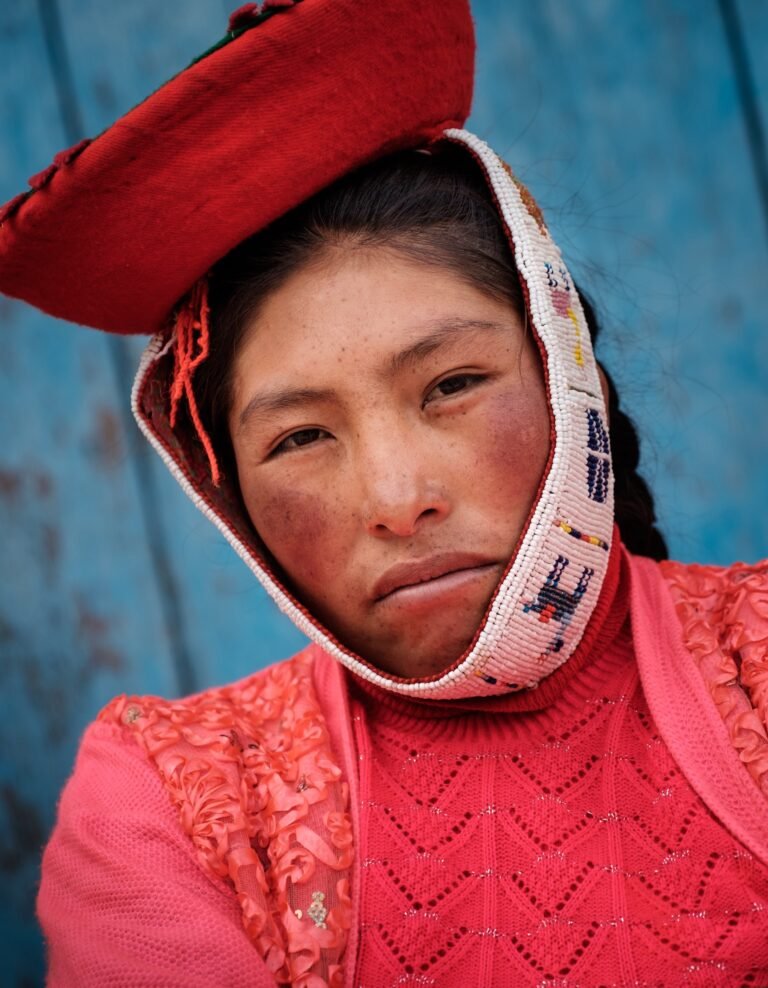
This is a village going about its life, not staging it for visitors. The morning light across the Andean terracing, and the portrait opportunities it creates, set the tone for everything that follows. Willoq is where the expedition finds its footing — before the altitude, and the remoteness, and the Q'eros highlands ahead.
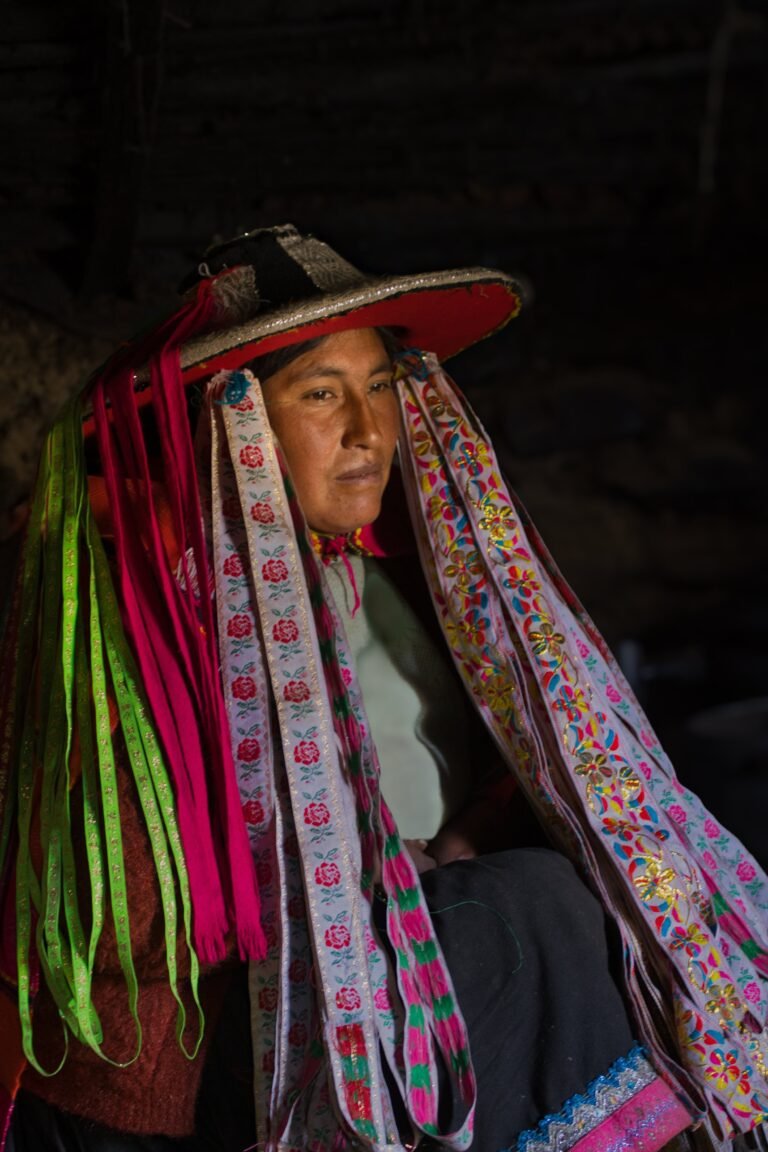
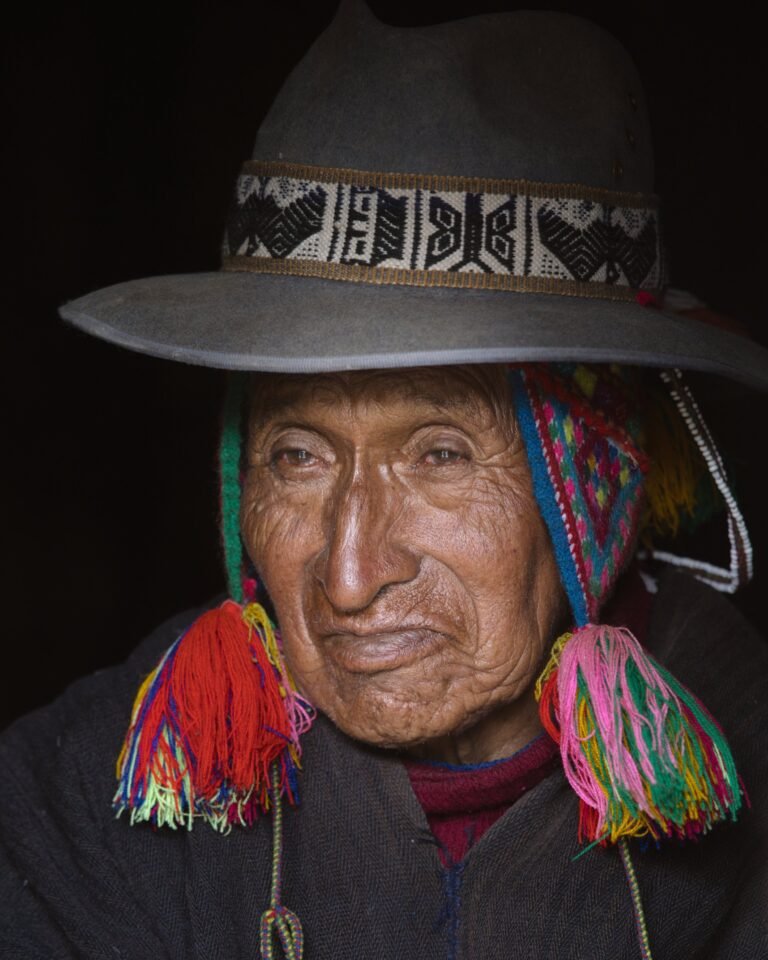
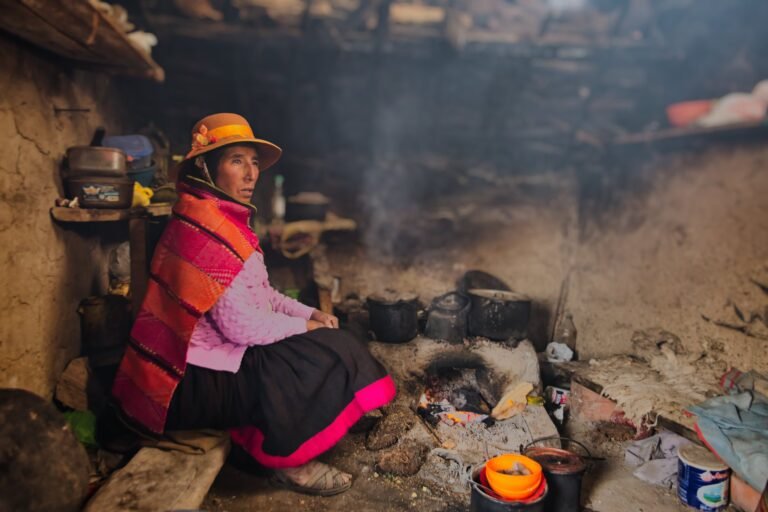
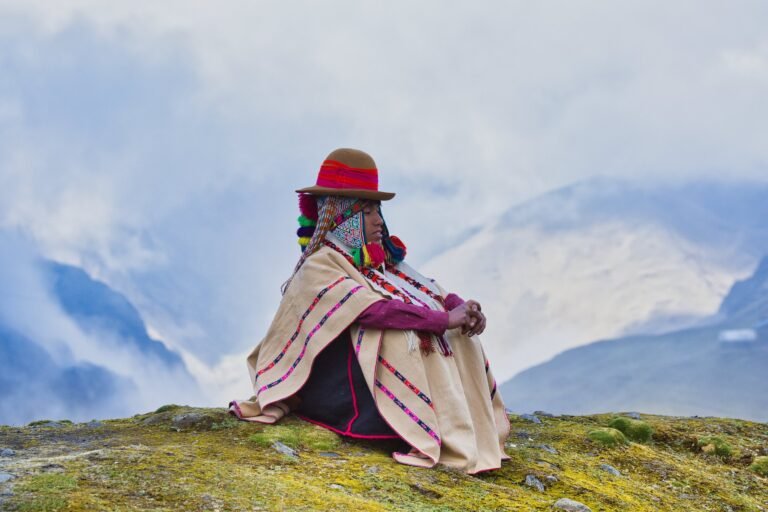
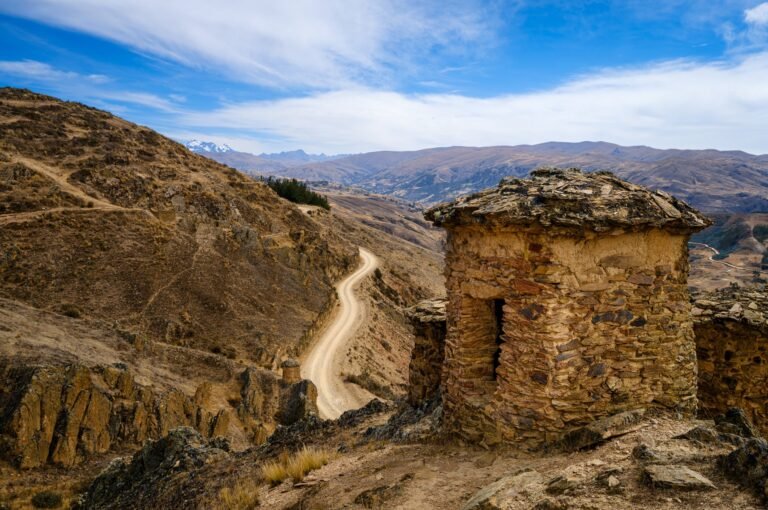
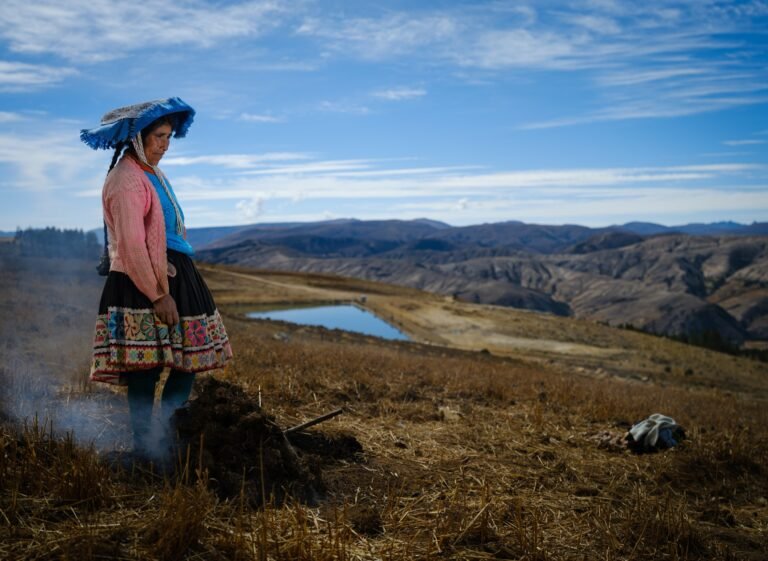
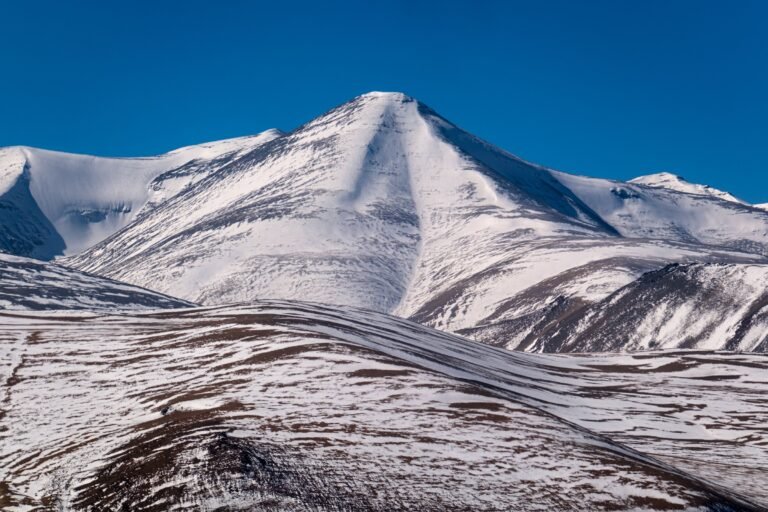
In 2007, the Peruvian government recognised the Q'ero people as Cultural Heritage of the Nation. They live above 3,900m (12,800ft) in the Paucartambo district, speaking Quechua, herding alpacas and llamas across the same highland terrain their ancestors have always occupied. The world has largely passed them by, and that is not an accident.
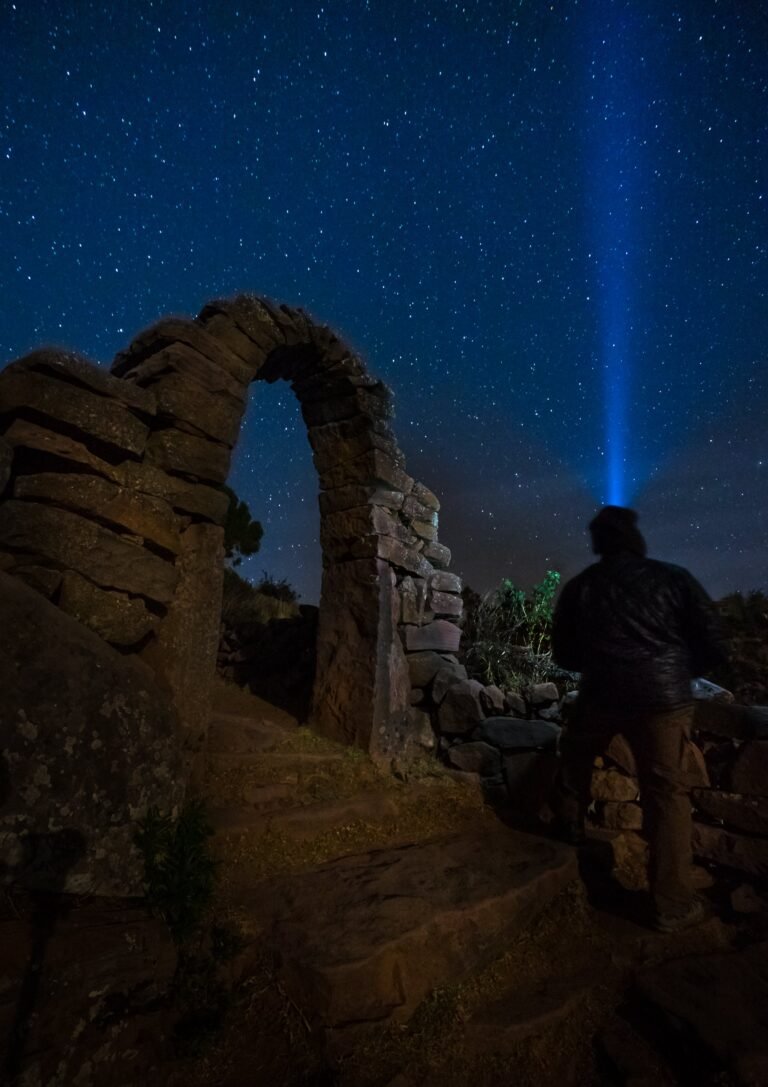
Very few photographers have worked here. Access is restricted, but our guides have relationships built over years and maintained with care. We move through Chua Chua, Challmachimpana, Qochamoqo, and Q'ollpa K'uchu — one night in each village, four days inside this unique way of life. The portraits that come from that kind of access are a different thing entirely from anything a passing visit can produce.
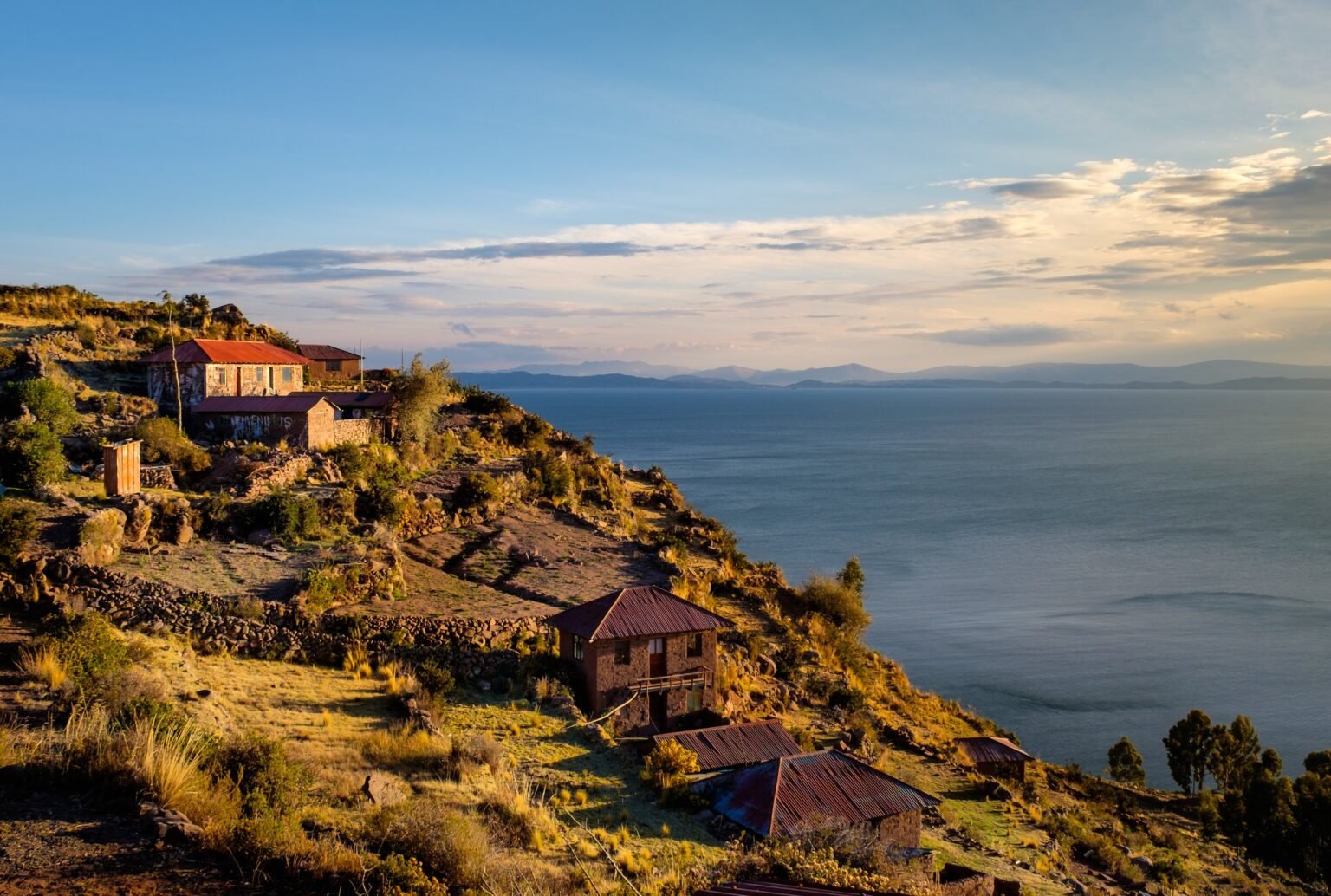
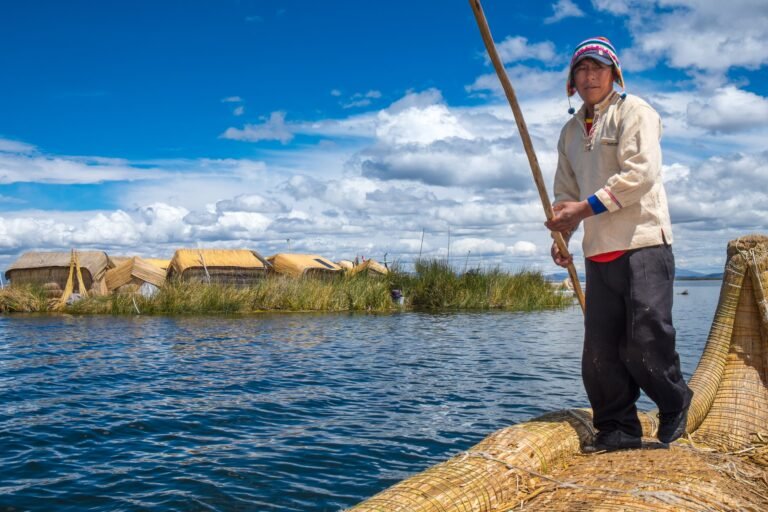
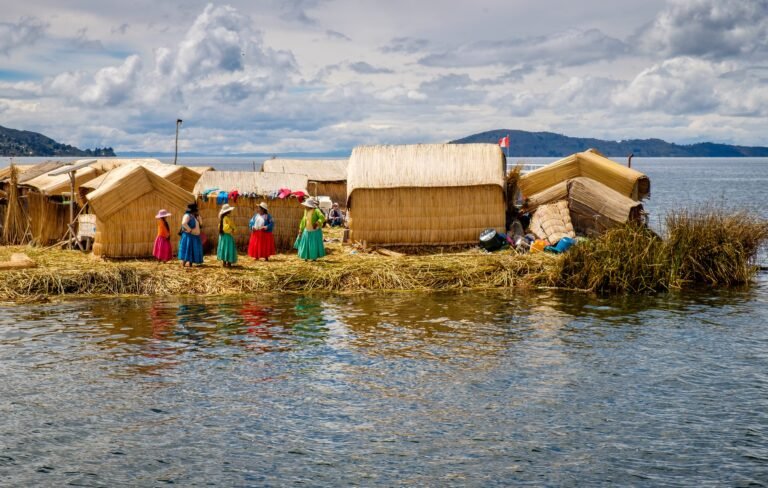
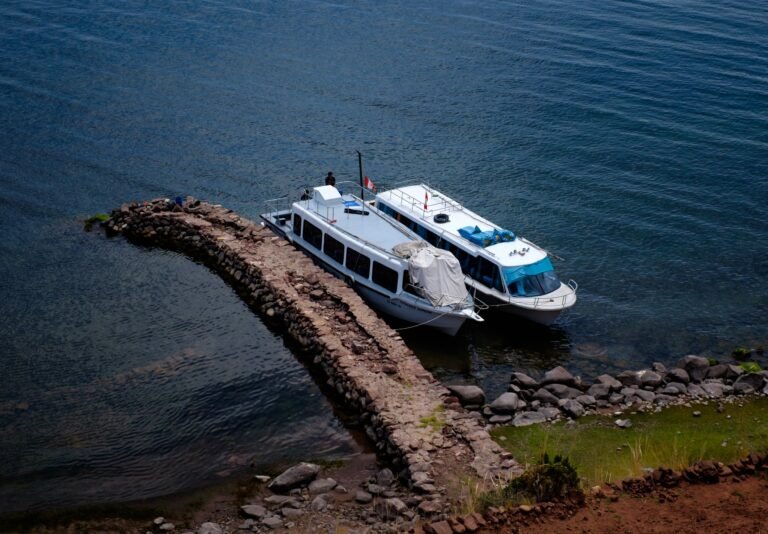
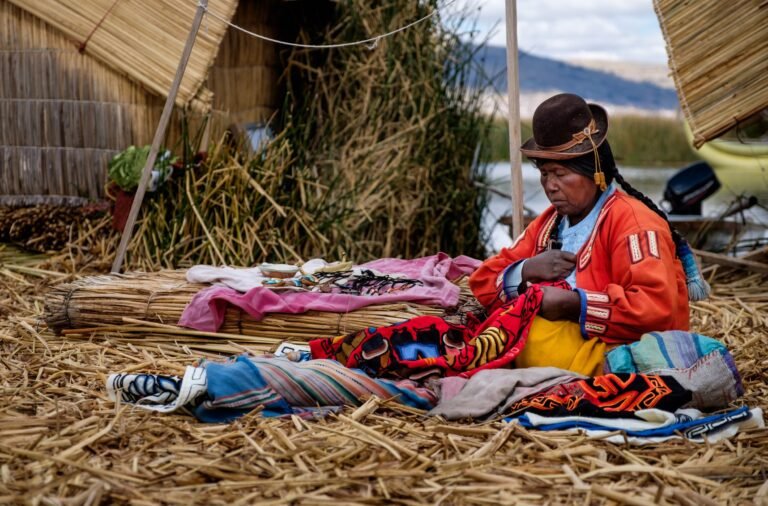
The highest navigable lake in the world sits at 3,812m (12,507ft), and its scale only becomes clear from the water. We arrive at the Uros Islands, where the same families have built their lives on platforms of layered totora reed for generations — the islands themselves, the homes on them, and the boats that move between them all made from the same material. We spend a night with one of those families, on the water, before crossing to Taquile Island.
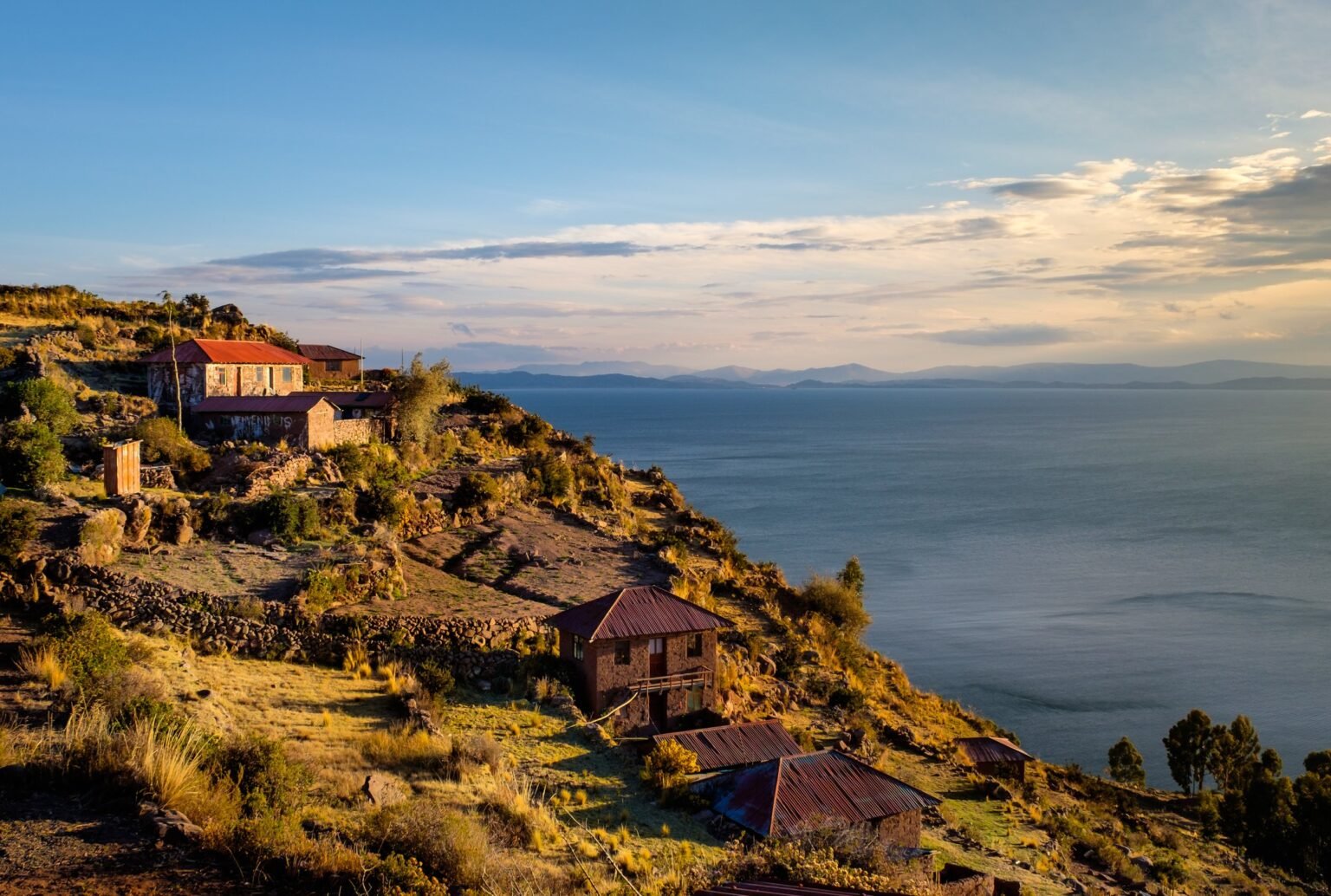
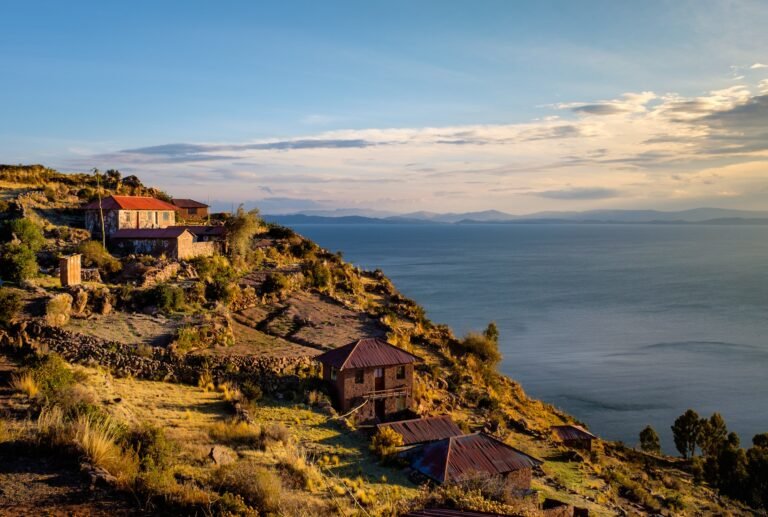
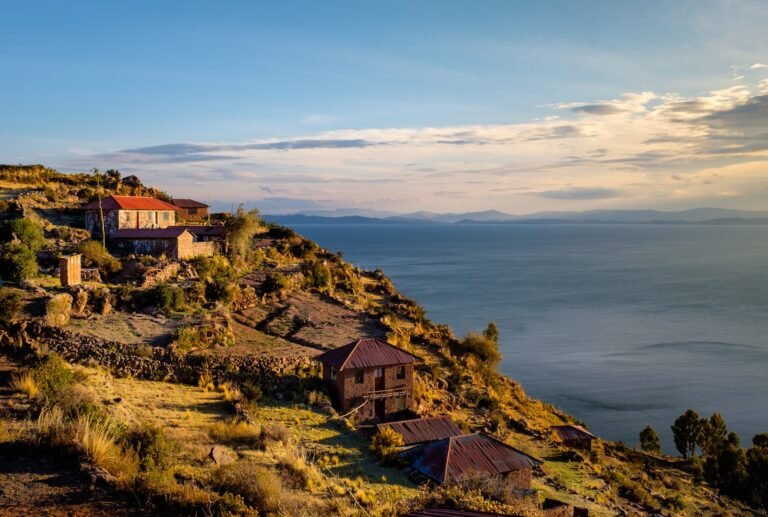
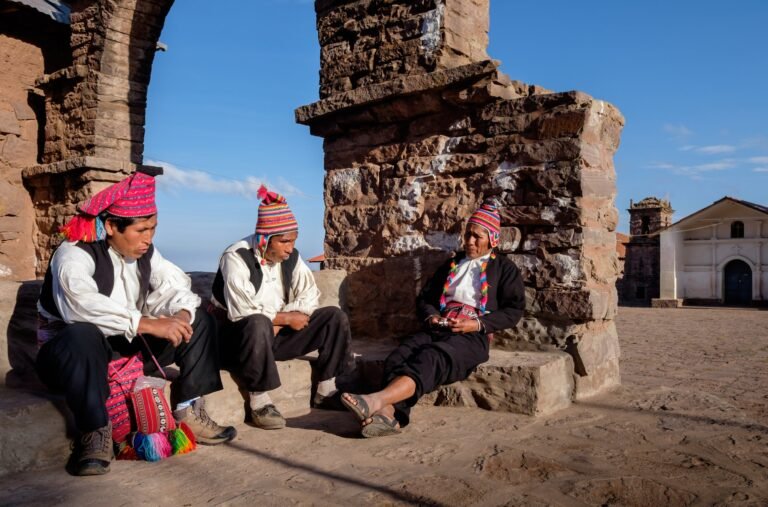
Taquile operates at its own pace. Its weaving tradition is among the most technically sophisticated in the Andes, recognised by UNESCO as intangible cultural heritage, and it shows up not in workshops or demonstrations but in what people are actually wearing as they walk the terraced hillsides.
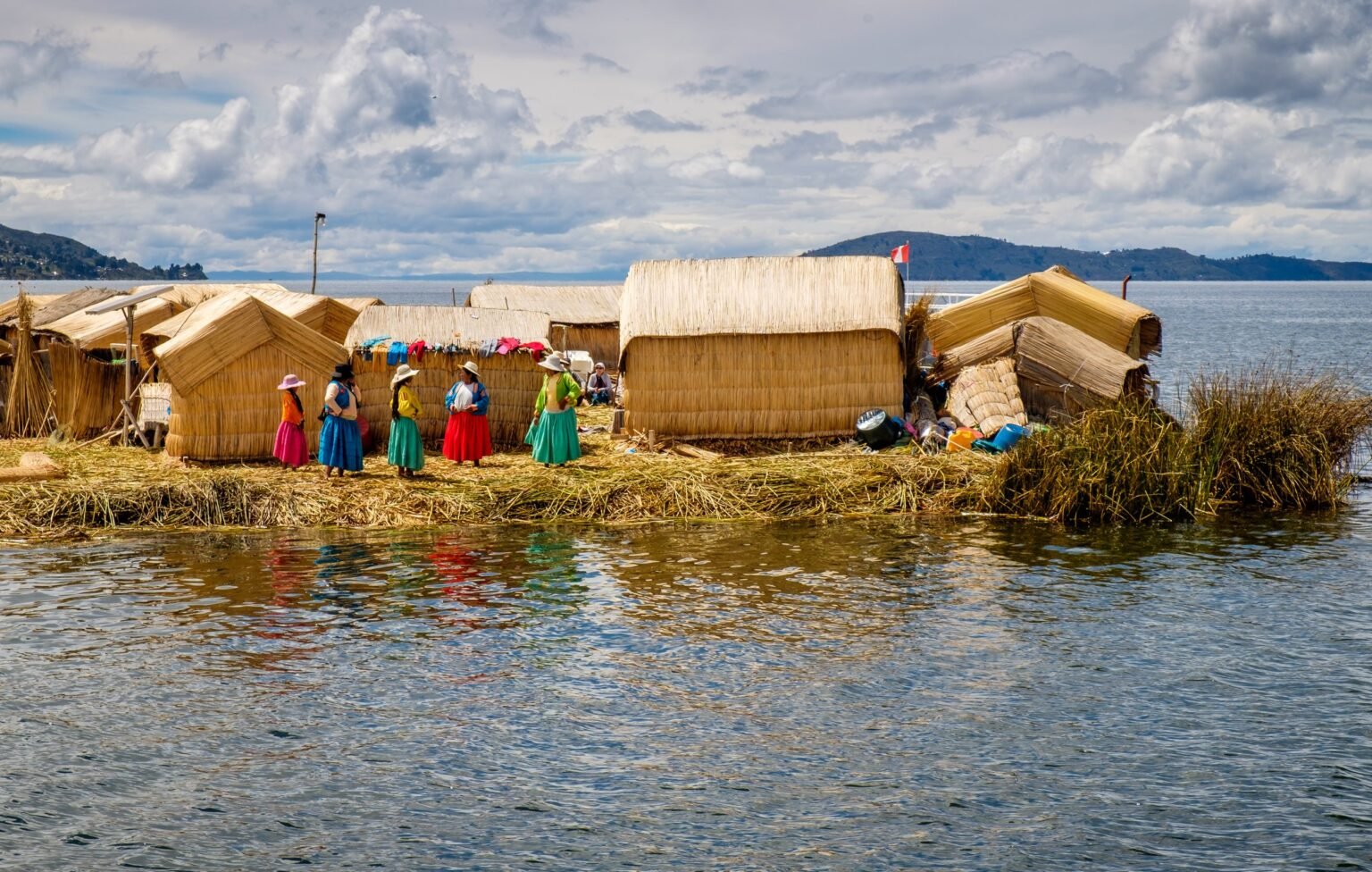
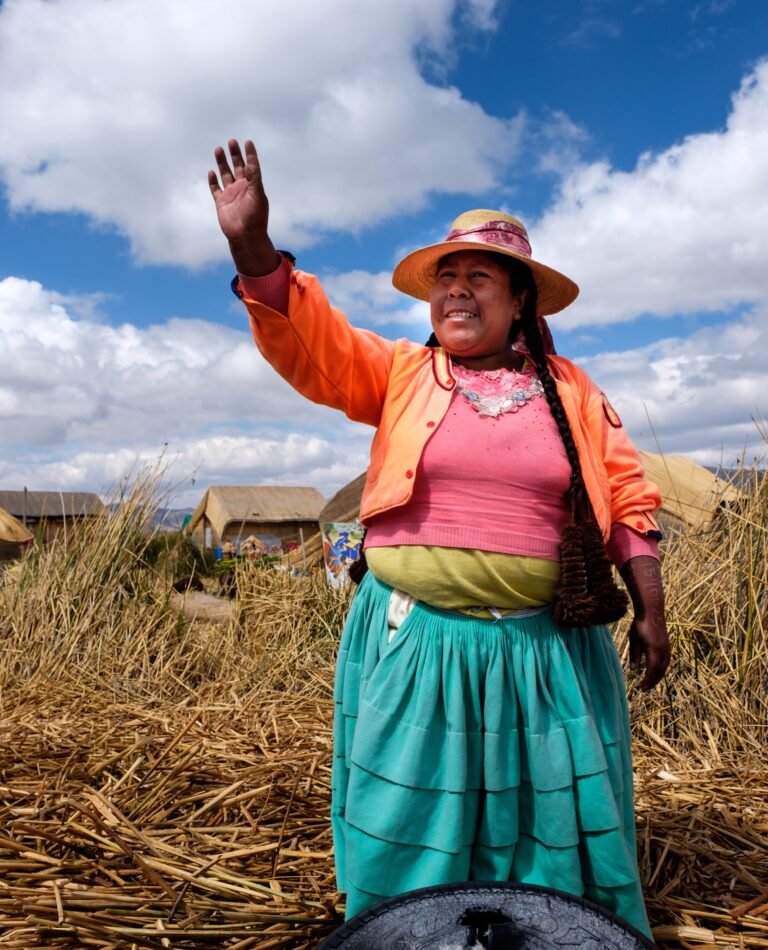
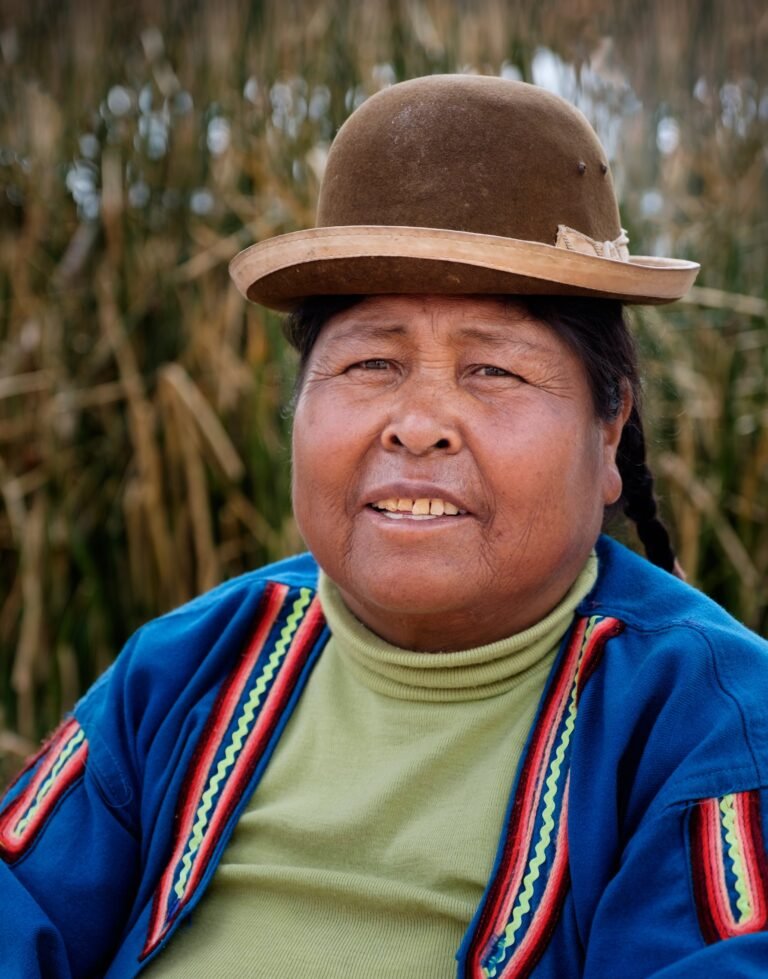
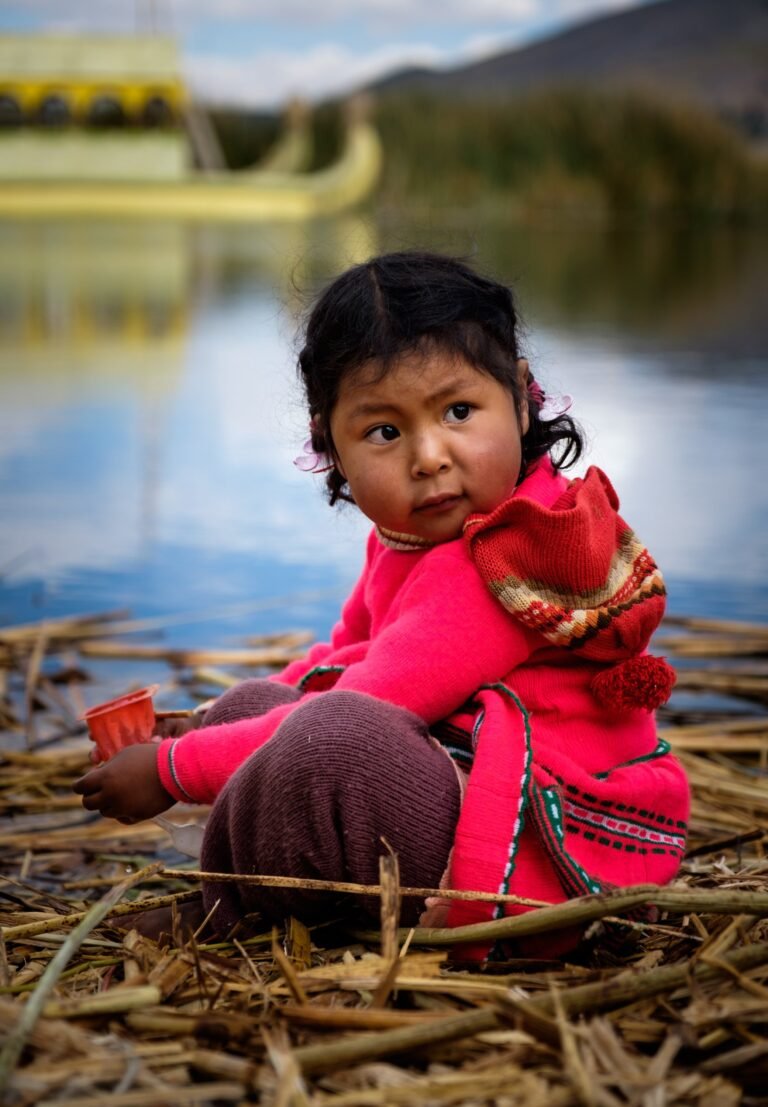
From Puno we head straight out onto the lake by boat. The Uros Islands are constructed entirely from totora reeds — layered, maintained, and lived on by the same families across generations. The visual texture of the place is unlike anything else on the expedition: the warm amber of the dried reeds against the deep blue of the lake, the low-slung architecture, the handmade boats, the faces of people who have grown up on the water.
We arrive in time to photograph as the afternoon light begins to fall. At 3,812m and in the open air above the lake, the light at this hour is clean and directional — ideal conditions for portraits, and for the kind of wide environmental shots that put a person in the context of where they actually live. As the sun drops further, the lake surface catches the warmth of the last light in a way that is difficult to replicate at any other time of day.